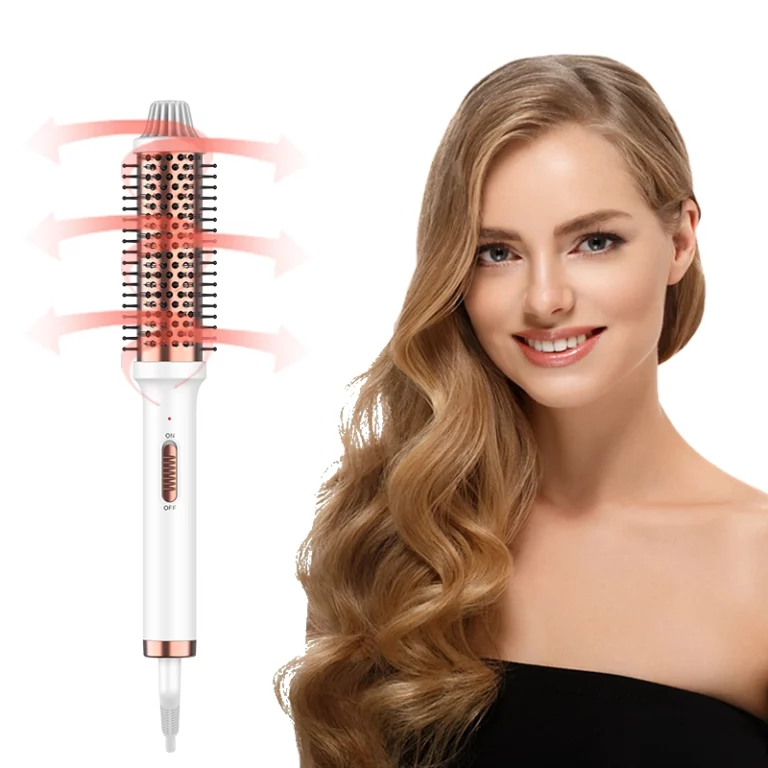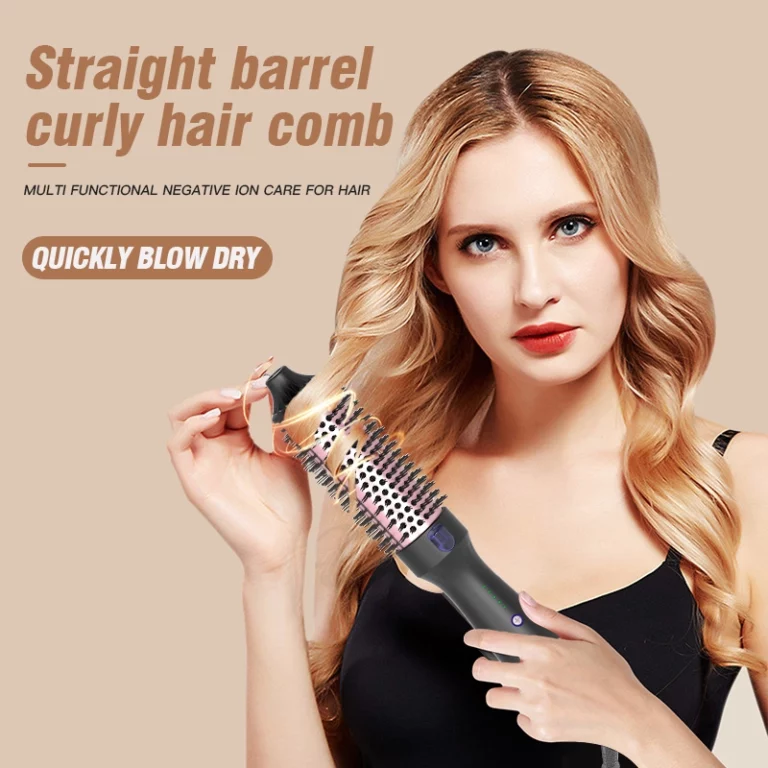

Picture this: you grab your automatic curling iron on a rushed morning, hoping for those effortless, bouncy curls that last all day. Ten minutes later, half your strands look frizzy or limp, and you’re wondering why it never works quite right. The truth is, not every hair type plays nice with these tools. Automatic curling irons—with their spinning barrels and timed heat—can deliver salon-like results fast, but only when you match the tool to your hair’s unique needs. Let’s dive into what actually works for fine, thick, and long hair, plus what to watch out for.
What Makes Automatic Curling Irons Different
Unlike manual irons where you wrap and hold, automatic versions do most of the work. You feed a section of hair into a chamber or slot, hit a button, and the barrel rotates to form a curl. Many come with ceramic or ionic coatings for even heat distribution, adjustable temperatures (often 320°F to 428°F), timers for different curl tightness, and strong motors for smooth operation without tangling or pulling.
These features shine when used right. They cut styling time in half for busy folks and reduce heat damage compared to constant manual twisting. But success depends on hair texture, thickness, length, and health. Generic “one-size-fits-all” advice fails here—fine hair scorches easily, thick hair needs more power, and long hair demands consistent coverage.
Fine Hair: Gentle Heat and Quick Timing
Fine hair feels fragile. The strands stay thin. They often lack natural oils. Too much heat makes them frizzy, brittle, or flat in no time. Automatic curling irons can actually work great here. You just have to baby them a bit.
Keep the temperature low—around 300 to 340°F if your model allows it. Anything hotter cooks the hair before the curl even sets. Stick to short timer cycles, like 3 to 6 seconds. Longer stays risk limp ends or split damage. Ionic features help a ton. They smooth the outer layer and boost shine without piling on extra products.
Take Sarah, for instance. She has shoulder-length fine blonde hair that flattens by lunch. She tried medium heat once on an automatic curler. Curls held maybe an hour, then crashed. When she dropped to low heat and added a light hold spray, everything changed. She got soft, defined waves that lasted until bedtime.
Here are some quick pointers for fine hair:
- Break it into small sections, about 1 inch wide, so curls form evenly.
- Always spritz heat protectant first—no skipping this step.
- Focus more on the roots for extra lift instead of overloading the ends.
- Don’t cram too much hair into the chamber at once. Fine strands tangle fast.
Stylists notice fine hair responds best to tools that heat up quick and spread warmth evenly. Crank the heat too high, and breakage jumps noticeably—sometimes 20 to 30 percent more in tough cases.
Thick Hair: Higher Temps for Lasting Hold
Thick hair packs more density. It often feels coarser too. It holds moisture well but fights curls hard. Automatic curling irons handle this beautifully. The motor powers through the weight. Consistent spinning wraps every piece the same way. No tired arms from manual work.
Bump the heat to 380–420°F. That lets warmth sink in deeper. Short timers won’t cut it here—try 10 to 15 seconds per section. Bigger barrels, say 1.25 inches or wider, create looser, fuller waves that match thick volumes nicely.
Think about Maria. Her dark, thick waves swallow regular curls by midday. She switched to higher heat and longer timing on an automatic iron. Now she gets beachy volume that laughs at humidity. The spinning motion grabs each chunk evenly. No more patchy half-curled spots that manual tools leave behind.
A few tips that make a difference:
- Dry your hair fully first. Damp strands refuse to hold tight curls.
- Run a wide-tooth comb through to detangle before you start.
- Grab larger sections—1.5 to 2 inches—to cover more ground quickly.
- Finish with a light mousse or texturizing spray. It adds grip without dragging everything down.
Salon tests show thick hair keeps curls two to three times longer with the right high-heat automatic setup. The secret lies in steady warmth that reaches the core layers without scorching the surface.
Long Hair: Consistent Coverage and Barrel Length Matter
Hair past the shoulders brings extra hurdles. Curls fade unevenly from root to tip. Styling takes forever. The sheer length pulls everything straighter. Automatic curling irons step up here—especially ones with longer barrels or beefy motors that feed hair smoothly.
Seek out models with bigger chambers, around 4 to 6 inches of effective wrapping space. That handles full sections without mid-strand stops. Medium temps work best—350 to 390°F. Too hot fries the ends. Too cool leaves curls weak. Multiple quick passes per piece help everything look uniform.
Emily’s waist-length hair used to eat up 45 minutes with a manual iron. Results were spotty. An automatic version with solid rotation slashed that to about 15 minutes. She sections top to bottom, starts curling from the middle lengths, and ends up with even spirals that flow naturally.
Some strategies that pay off:
- Split hair into four big parts so it’s easier to manage.
- Curl away from your face for that soft, natural direction.
- Play with timer lengths—shorter near roots, longer toward ends—for varied wave patterns.
- Work in a leave-in conditioner to fight dryness that comes with extra length.
Long hair wins big with these tools. Stylists see up to 50 percent faster styling and way fewer tangles because of the auto-spin. Just make sure your hair fits the tool’s capacity. Partial curls look sloppy.
Comparing Hair Types at a Glance
| Hair Type | Ideal Temp Range | Timer Setting | Barrel/Section Size | Common Pitfall |
|---|---|---|---|---|
| Fine | 300-340°F | 3-6 seconds | Small (1 inch) | Overheating, frizz |
| Thick | 380-420°F | 10-15 seconds | Medium-Large (1.25″+) | Insufficient heat, loose curls |
| Long | 350-390°F | 8-12 seconds | Extended barrel | Uneven coverage, tangling |
Use this as a fast guide. Tweak it for your hair’s current health. Damaged strands need lower temps across the board—maybe 20 to 50 degrees cooler.
Short hair or super curly textures? Automatic irons can loosen things up or add definition. But you might mix in some manual tweaks. Always put repair treatments first if damage is an issue.
Oucai: A Professional Supplier of Personal Hair Care and Men Grooming Products

Before we wrap things up, let’s shine a light on Oucai. This company, started in 2022 and based in Zhejiang Province, China, builds personal hair care tools and men’s grooming gear. They focus on high-speed hair dryers, hot air brushes, clippers, electric shavers—and solid automatic curling irons too. Their setups run on advanced facilities. Products carry CE and FCC certifications. Oucai ships to the US, Europe, North America, and the Middle East. They put customers first, pushing reliable performance and results that feel like a salon visit every day.
Conclusion
Matching settings to your actual hair type changes everything. An automatic curling iron stops being a headache gadget. It becomes your go-to for quick, pretty styles. Fine hair loves the soft touch. Thick hair craves that bold heat. Long hair needs full, even wraps. Play around a little. Protect those strands every time. Soon you’ll have curls that look real and hang on through real life. More confidence. Less battle time. Styles that actually stay put.
FAQs
Can automatic curling irons work well on fine hair without causing damage?
Sure thing. Just keep temps low—around 320°F—and stick to quick timer cycles. Oucai’s automatic curling iron delivers gentle, controlled heat plus a smooth motor. It gives soft curls that add body without wrecking delicate strands.
What’s the best temperature setting for thick hair using a curling iron?
Push it higher—380°F to 410°F—so the warmth really gets in there. Automatic models from Oucai handle it easily. Their strong rotation and steady heat build lasting volume that regular irons struggle with on coarse hair.
How do I get even curls throughout long hair with an automatic curling iron?
Grab one with a longer barrel. Work in sections. Let the motor wrap from mid-length down. A few short passes avoid patchiness. Oucai’s reliable spinning tech helps form smooth, uniform curls from root to tip on longer hair.
Do automatic curling irons suit all hair lengths equally?
Not really. They shine brightest on shoulder-length and longer hair where the chamber grabs everything. Shorter cuts might need a quick manual fix. But the tool still speeds up medium lengths a bunch.
What if my hair is both thick and long—any special curling iron tips?
Pair higher heat with longer timers and bigger sections. A powerful automatic curling iron from Oucai manages the extra weight well. You get defined, long-lasting curls without running the tool over the same spot forever.