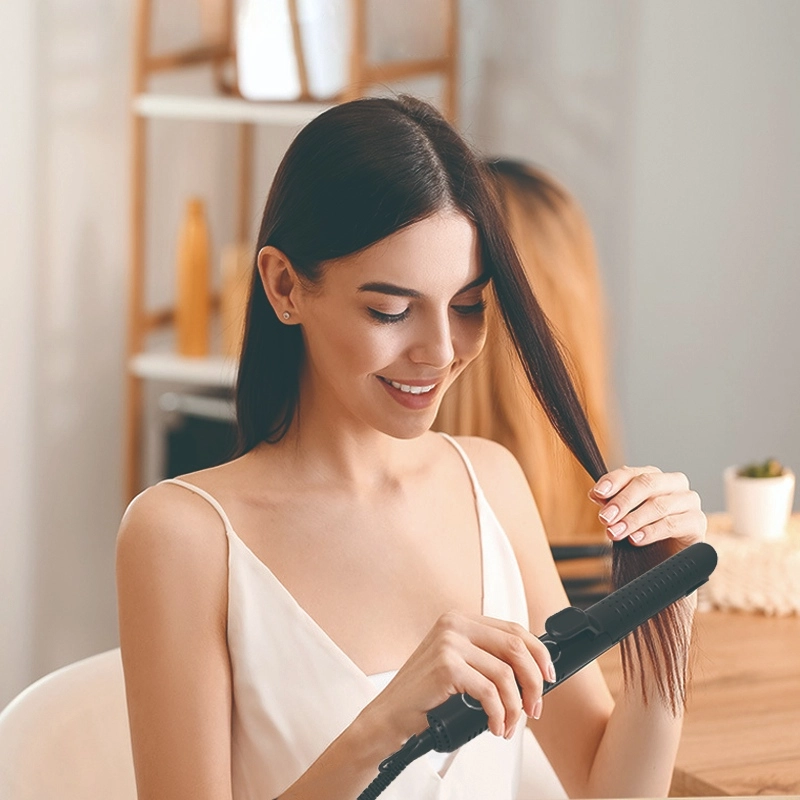
Handling fine or damaged hair can feel downright tough on some mornings. You crave that clean, sleek finish. But the wrong tool just makes everything messier—extra breakage, stubborn frizz, or strands that end up looking burnt. It’s maddening. Plenty of people wind up ditching heat styling completely. But you really don’t need to skip straight looks forever. The trick comes down to picking the right straightener. One that focuses on safety and truly guards your hair as it smooths.
This guide keeps things straightforward. We’ll go over the stuff that counts most for fragile hair. We’re talking gentle heat choices, kind materials, and extras that lower risk. By the time you’re done reading, you’ll spot a good option for your daily lineup easy.
Why Fine or Damaged Hair Needs Special Care
Fine hair doesn’t have much thickness. It flattens out fast and reveals damage in a heartbeat. Damaged hair comes from dye jobs, past heat abuse, or even too much sun. Both kinds struggle with high temperatures. Research points out that anything above 350°F begins wrecking protein bonds quickly. For weak strands, that leads to split ends, snap-prone lengths, and dull shine.
Think about Jenna. She has super-fine hair that falls flat by midday. She grabbed a cheap straightener and turned it way up. What happened? Limp roots and ragged ends after just one swipe. Or consider Alex. Her repeated bleaching left hair spongy and fragile. Hot styling broke pieces off left and right. Situations like these happen constantly. Yet with a suitable straightener, the story changes. Mild heat evens things out without ruining.
Must-Have Features in a Safe Straightener
Tools aren’t all created equal. For fine or damaged hair, put safety first and choose ones that protect as they work. Here’s the lineup to watch for.
Plate Material Matters Big Time
Always pick ceramic or tourmaline plates. They warm up evenly. So no harsh hot zones burning patches. Ceramic shares heat softly and helps hold in natural moisture. Lots include ionic features as well—it knocks out frizz by closing the outer layer.
Stay away from plain metal plates when hair’s delicate. They pull, catch, and need cranked-up heat to do anything. Stylists push ceramic for regular folks. It shortens styling and leaves locks feeling smoother.
Adjustable Temperature Settings
You can’t skip this. Hunt for a straightener offering a broad range—beginning low, say 250°F, all the way to 450°F. Fine hair usually shines at 300°F or below. Damaged? Go even milder, 250-280°F.
The reason? Gentler heat smooths well but doesn’t fry strands. Experts suggest trying the lowest level that gets the job done. It may need another pass. But your hair stays happier down the road—no overcooking.
Extra Protection Features
Clever bonuses change everything:
- Auto shut-off: Leave it on by mistake? It turns off alone after an hour or so—no worry.
- Floating plates: They bend slightly, holding hair evenly without squeezing too hard.
- Fast heat-up: Ready quick yet stays steady.
- Cool-touch tips: Easier to grip, fewer accidental burns.
These make a decent straightener truly dependable for daily grabs.
Common Mistakes to Skip
Folks trip up here often. They snatch the hottest model, figuring it’ll finish faster. Wrong move. It only harms more. Or they forget heat protectant mist. Huge mistake. Always mist a light layer first—it builds a shield.
Another slip: Smoothing sopping wet hair. Hold off until damp or completely dry. Wet pieces hiss and weaken right away. And avoid running over the same spot endlessly. One steady glide beats several hurried ones.
Real-Life Tips for Best Results
Begin with fresh, dry hair. Divide into small parts—slimmer sections for fine kinds. Move slow from root to end. No hurry. Seal with a touch of serum for gloss.
Hit the road a lot? Smaller models slip into luggage without dropping strength. People appreciate keeping solid results away from home.
Quick Comparison: What to Look For vs. Avoid
| Feature | Great for Fine/Damaged Hair | Steer Clear Of |
| Plate Type | Ceramic or tourmaline | Bare aluminum or basic metal |
| Temp Range | Adjustable, starts low (250°F+) | Fixed high heat only |
| Heat Distribution | Even and consistent | Uneven, hot spots |
| Safety Add-Ons | Auto shut-off, cool tips | None |
| Size/Weight | Lightweight, ergonomic | Bulky, heavy |
This chart lays it out fast. Line up your wants with these picks.
How the Right Straightener Changes Your Routine
Choose smart, and mornings turn simpler. Less battling flyaways. More days rocking neat, lively hair. It lifts your mood too—knowing style doesn’t cost you healthy strands.
One person said: “My thin hair used to puff out by lunch. Now, with milder heat and silky plates, it holds straight and perky longer.” Tales like hers pop up plenty. The tool boosts daily feel by keeping styling safe and hassle-free.
About Oucai: Your Go-To Supplier for Quality Hair Care Tools
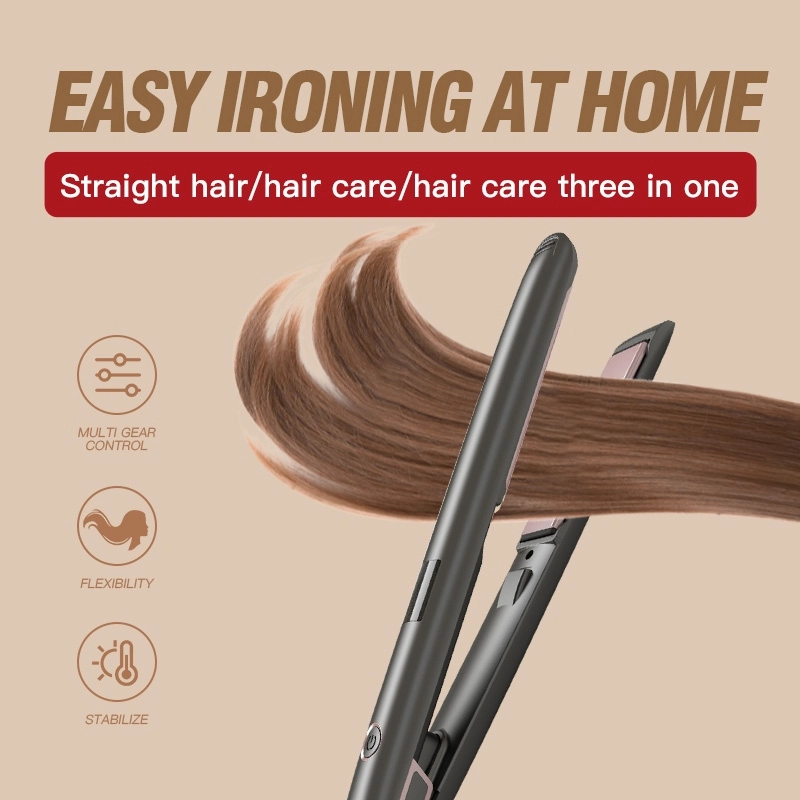
Oucai Group is a professional supplier focused on personal hair care and men’s grooming products. We got started in 2022, right here in Zhejiang Province, China. Our setup includes modern production lines and a solid office space. We hold certifications like CE and FCC. From high-speed dryers to versatile styling tools, clippers, and shavers—we’re all about reliable, innovative gear that delivers real results for folks everywhere.
Conclusion
In the end, fine or damaged hair calls for tender handling. Focus on a straightener packing ceramic plates, mild heat choices, and guard extras. Pass on the rough ones. You’ll gain smoother looks, fewer breaks, and hair that truly improves with time. The careful pick pays off. Your locks will prove it.
Frequently Asked Questions
What’s the best temperature for a straightener on fine hair?
Keep it low—around 250-300°F works wonders. It straightens without overwhelming thin strands. Many find this range gives sleek results while keeping hair healthy.
How does a ceramic straightener help damaged hair?
Ceramic plates heat evenly and gently. They seal in moisture better, cutting down on frizz and further harm. Users notice softer, shinier finishes compared to harsher materials.
Can I use a straightener daily if my hair is damaged?
Sure, but grab one with flexible low heat and safety bits. Team it with protectant spray. Then you style regularly without piling on harm.
What features enhance user experience in a straightener for delicate hair?
Items like bendy plates, swift yet steady warmth, and auto turn-off. They simplify grip and safety, making styling smooth instead of stressful.
Is a travel-sized straightener effective for fine hair?
For sure. Small ones with ceramic plates and changeable heat work every bit as strong. Perfect for fixes while traveling without skimping on care.