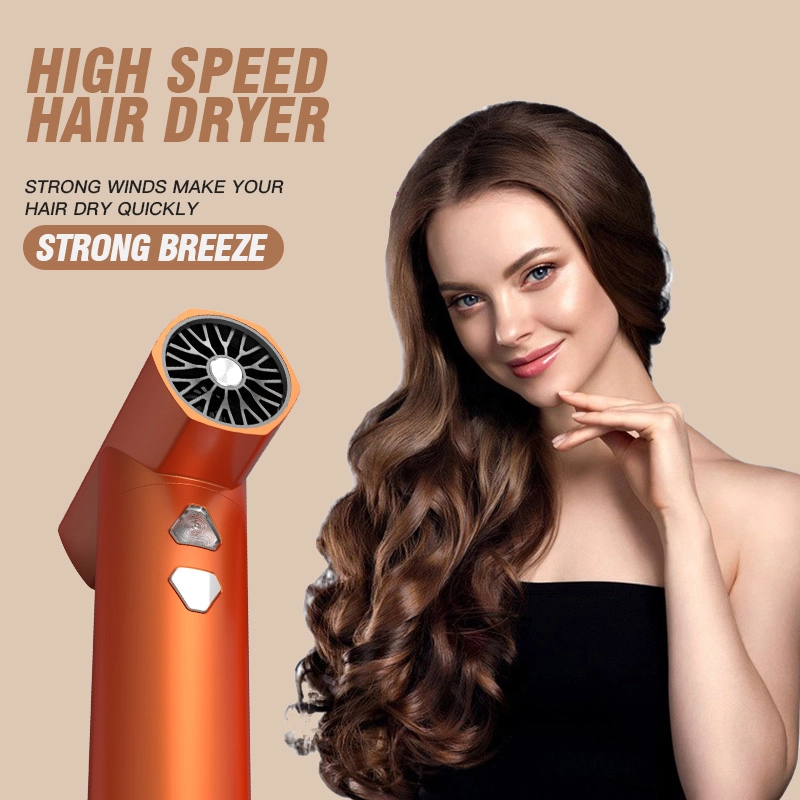
Running a salon keeps you busy. Stylists grab hair dryers all day long. Clients want perfect results every time. You pay the price when gear breaks down too fast. Picking a solid hair dryer supplier matters a lot. It’s not just about low prices. You need a partner who delivers steady tools. Reliable ones keep your place running smooth. Quality holds up through rush hours. Terms fit your setup, big or small.
In this piece, we cover 10 key things to check. These come straight from what salon folks face daily. We hit on build strength, quick shipping, and minimum orders too. You’ll get a clear checklist. It could save you cash and stress.
Understanding Your Needs as a Salon Owner
Let’s start simple. Salon owners deal with real pressure. Stylists need fast-drying hair dryers. They can’t scorch color-treated hair or fine strands. No room for downtime. One dead dryer during peak time means lost money and upset clients. You manage stock carefully. Too much ties up funds. Too little leaves gaps. A good supplier understands this fully.
They provide pro-grade hair dryers. Features like ionic tech fight frizz. Multiple settings handle different hair types. They offer fast delivery and easy order sizes. That sounds right for you. Now, let’s jump into the list.
The 10 Must-Have Criteria for Choosing a Hair Dryer Supplier
1. Proven Product Quality and Durability
First off, don’t settle for flimsy builds. Look for suppliers whose hair dryers use tough materials like reinforced plastic housings or ceramic-coated elements that handle heat without warping. Picture a busy Friday night: your team is cranking through blowouts, and the last thing you need is a motor burning out after a few months. Check for real-world testing—suppliers should share data on how their dryers hold up under continuous use, say, 500 hours without a hitch. In my chats with salon vets, they’ve shared stories of cheap imports failing fast, leading to emergency buys that eat into profits. Aim for ones with warranties of at least a year, proving they stand behind their gear.
2. Strict Safety and Quality Certifications
Safety comes first in salons. Pick suppliers with solid certs. Things like CE, FCC, or ROHS matter. They prove third-party checks. No risky overheating or bad materials. FCC stops interference with other tools. One salon owner shared a scary moment. An uncertified dryer shorted during a test run.
These certs build trust. Clients notice you use safe gear. It makes your spot look pro.
3. Innovative Features Tailored for Salon Use
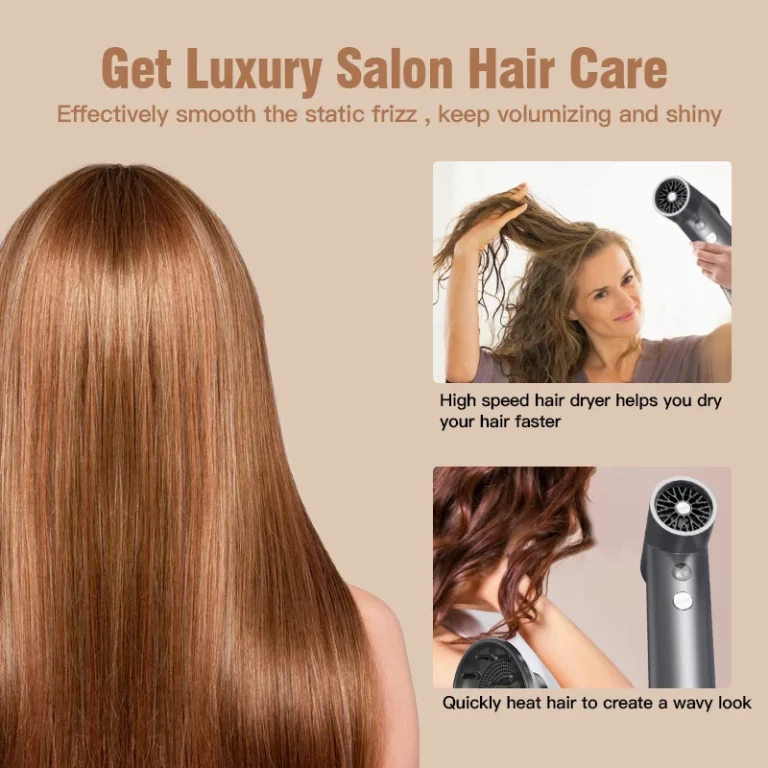
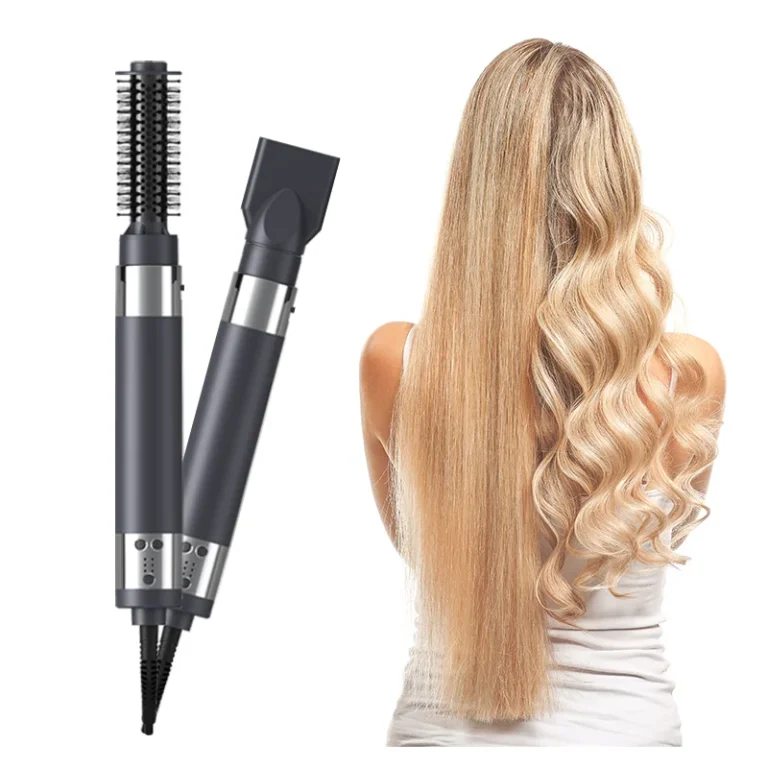
Choose forward-thinking suppliers. High-speed motors slash drying time. Negative ions smooth hair for shine. In a busy salon, time saves cash. Extra appointments add up fast. Check reviews from stylists. They love adjustable air for thick curls or thin waves. No damage.
Steer clear of outdated options. Top suppliers keep improving. Lightweight bodies cut arm strain after long days.
4. Customization and Branding Options
Build your brand vibe. Suppliers who allow tweaks win big. Add your logo to handles. Match colors to your decor. Small shops love this. Ergonomic grips fit your team’s hands better. Industry numbers show custom tools boost loyalty. Clients feel the upgrade.
Ask about sample times. Quick ones deliver fast. Weeks, not months.
5. Flexible Minimum Order Quantities (MOQ)
MOQ trips up many owners. You hate buying 500 when 50 suits testing. Find low starts. Maybe 100 units. Scale for better deals later. This helps cash flow. Stock for busy seasons without overload. One owner began small. Saw great results. Then ordered more. No warehouse mess.
Here’s a quick table for MOQ fits:
| Salon Size | Ideal MOQ Range | Why It Matters |
| Small (1-5 stylists) | 50-200 units | Keeps inventory lean, reduces risk on new models. |
| Medium (6-15 stylists) | 200-500 units | Balances bulk savings with storage space. |
| Large (16+ stylists) | 500+ units | Maximizes discounts for high-volume use. |
6. Reliable Delivery and Supply Chain Strength
Fast shipments keep shelves full. Seek strong logistics. Regional partners mean quicker arrival. Target 2-4 weeks. Backups handle surprises. Strikes or shortages won’t stop you.
A friend lost weekend bookings once. Dryers ran out. Delays hurt bad. Ask for shipping history. Client stories confirm steadiness.
7. Comprehensive After-Sales Support
What happens after you buy? Great suppliers stand ready. Warranties cover fixes. Quick repairs with real parts. Phone or chat help available.
For hair dryers, nozzles and filters matter. Easy swaps keep stations open. Return policies help. 30 days for defects. Responsive teams turn problems into wins.
8. Competitive Pricing Without Cutting Corners
Value trumps cheap. Compare unit costs to features. A $50 dryer might die in months. An $80 one lasts years. Savings add up. Bulk deals help more.
Mid-range often wins on return. Durable builds cut replacements in half. Salons see real gains.
9. Strong Reputation and Client Feedback
Dig deep. Read reviews. Praise from other salons means something. Consistent nods for humid-day performance or heavy use stand out. Avoid complaint patterns.
Word spreads in salons. Tap forums or groups. Get honest views.
10. Commitment to Sustainability and Ethics
Clients care more now. Green materials appeal. Recyclable plastics in hair dryers help. Low-energy factories count. Ethical practices build trust.
Salons push sustainable tools. It draws crowds. Foot traffic rises nicely.
Meet Oucai: Your Go-To Professional Supplier for Hair Care Essentials
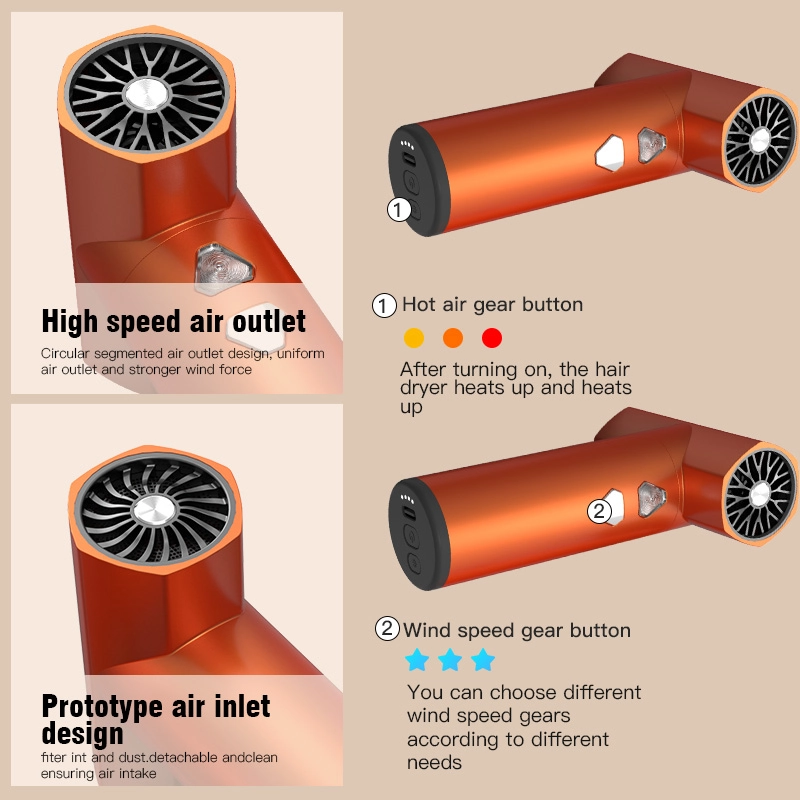
If you’re hunting for a supplier that checks these boxes, consider Oucai. Based in Zhejiang, China, since 2022, Oucai specializes in personal hair care, like high-speed hair dryers with advanced airflow for quick, damage-free drying. They’ve got a 300-square-meter setup with cutting-edge production lines, exporting to spots like the US and Europe. With CE and FCC certs, they focus on reliable, innovative products—think portable 1700W models perfect for salon pros. Their team brings 28 years of design smarts, offering custom options, stable supply chains, and solid after-sales like warranties and repairs. It’s all about delivering tools that make your daily grind easier.
Conclusion
Wrapping this up, choosing the right hair dryer supplier boils down to these 10 criteria—they’re your roadmap to avoiding pitfalls and building a thriving salon. Focus on quality, reliability, and terms that suit your scale, and you’ll see smoother operations and happier clients. It’s not just about the tools; it’s about a partnership that grows with your business. Ready to upgrade? Start vetting suppliers today.
Frequently Asked Questions (FAQs)
1. How do I know if a hair dryer supplier meets quality standards for my salon?
Look at certs like CE or FCC. They show safety and solid build. Request samples. Run them hard for a full day. See if they overheat or lose strength.
2. What’s a reasonable MOQ for hair dryers when stocking a medium-sized salon?
For 6-15 stylists, target 200-500 units. It grabs good discounts. Storage stays manageable. Talk options if testing a fresh hair dryer style.
3. Why is delivery reliability crucial when selecting a hair dryer supplier?
Late shipments stall your work. Busy seasons suffer most. Strong chains deliver in 2-4 weeks. Backups cover issues. Your hair dryers stay ready. Clients keep coming.
4. What after-sales support should I expect from a top hair dryer supplier?
Expect warranties for problems. Fast fixes with genuine parts. Easy help lines. A good setup swaps faulty hair dryers quick. Stylists keep going strong.
5. How can innovative features in hair dryers from a supplier benefit my salon owners’ daily routine?
Ionic tech cuts frizz fast. Drying drops by minutes. Stylists fit more clients. In a full shop, that means extra cash each month.