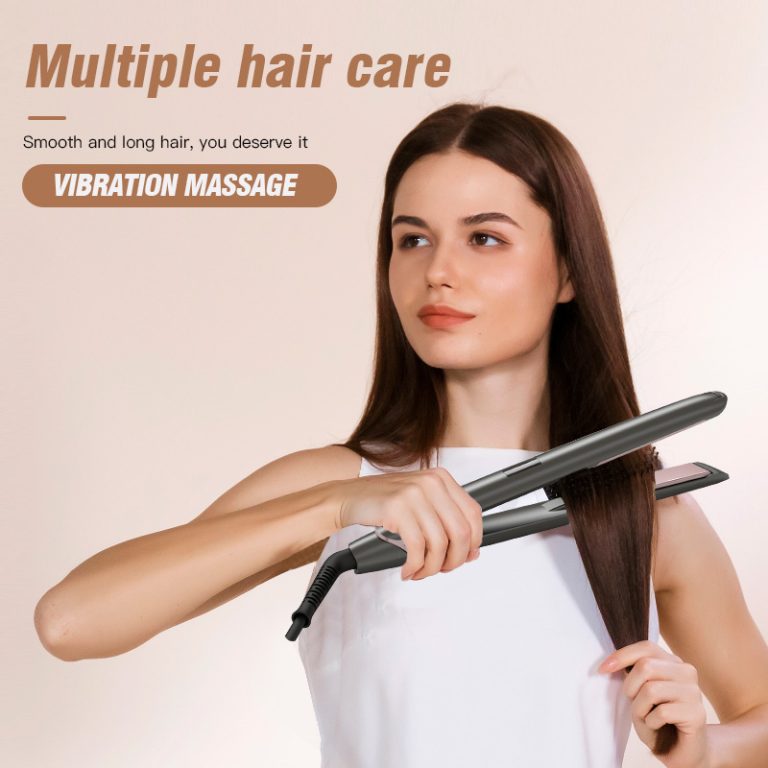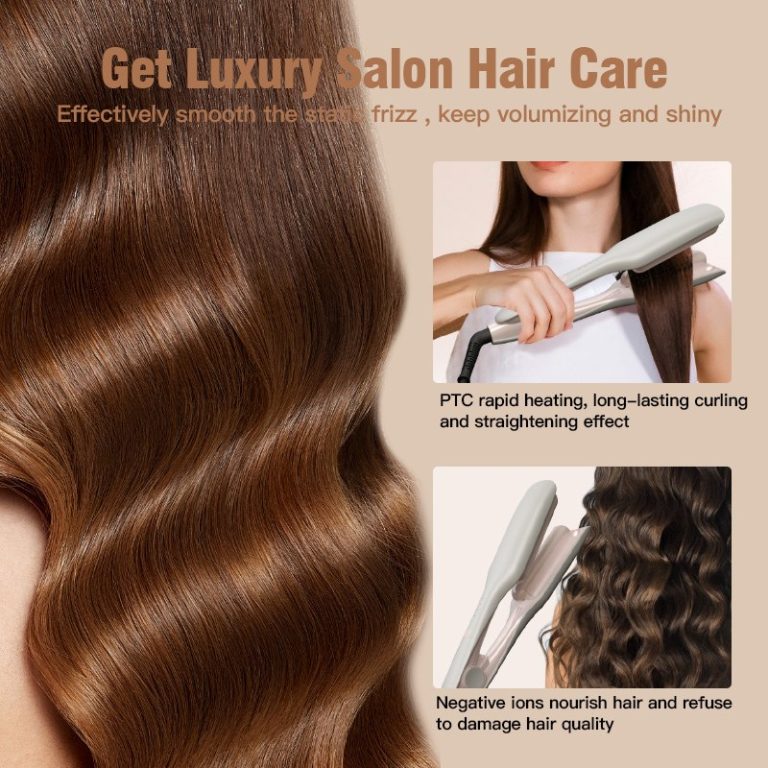
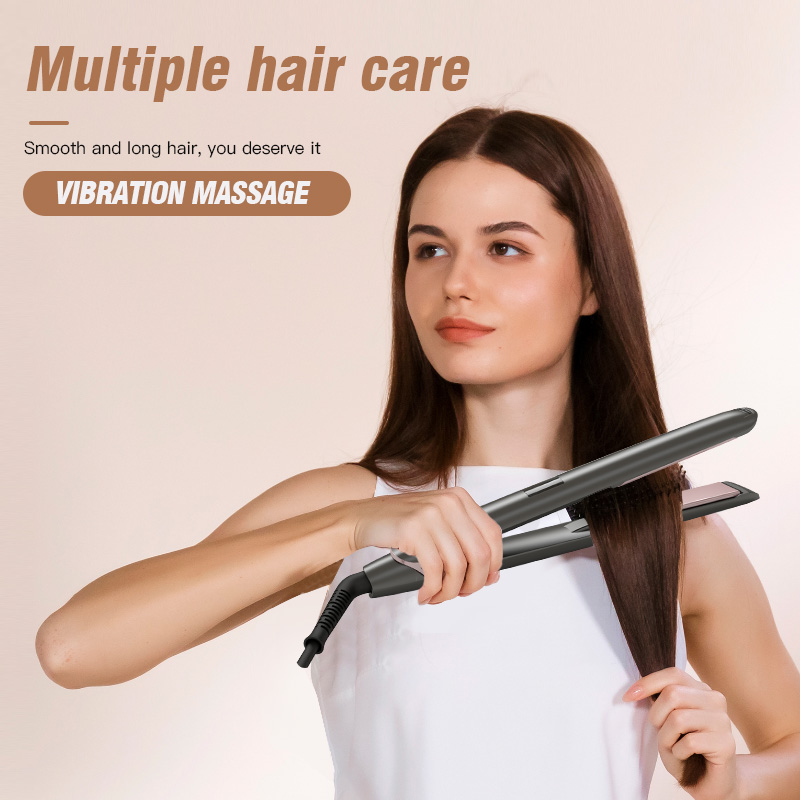
Ever had one of those rushed mornings where you snatch your hair straightener, turn it way up, and wind up with scorched ends? We’ve all done it. The truth is simple. Hair comes in all kinds. Using the same scorching heat on every type spells trouble. That’s exactly why adjustable temperature controls stand out as essential in top-notch tools. They give you the power to pick the perfect level. This protects your strands. At the same time, you still get that smooth, polished finish that looks fresh from the salon. In this article, we’ll explore why these controls really count. We focus especially on temperature control hair straighteners. They handle everyone’s different needs—from super-fine strands to dense, stubborn curls.
Understanding Heat and Hair: The Basics
Heat styling has been around forever. People have smoothed their hair with hot tools for ages. But what actually happens inside the hair shaft? The cuticle forms the tough outer layer. It guards everything underneath. Excessive heat pries it open. Moisture flees. Breakage follows soon after. Research points out something clear. Temps over 400°F start breaking down the proteins that keep hair strong. The strands turn weak and snap easily. It’s a lot like leaving steak on the grill too long. It looks done at first. Then it gets tough and dry.
Imagine this scenario. You dash out the door in the morning. Your straightener sits fixed on high. If your hair is fine, that heat hits way too hard. It robs natural oils. Strands end up limp. They break more often. Thick hair tells a different story. Low settings barely make a dent. You need extra power to tame it properly. Adjustable dials fix that mismatch. They make styling feel natural. You avoid those awful hair days that linger for weeks.
Salon pros know this inside out. Busy stylists rely on tools packed with various heat choices. Clients show up with wildly different hair. Some strands are dyed. Others got permed. A few stay naturally wild. One fixed temperature? That approach falls flat. Results turn patchy. Clients leave disappointed.
Fine Hair vs Thick Hair: Why Temperature Matters
Let’s get specific. Fine hair feels delicate. Think thin silk threads. It warms up super quick. It holds styles with hardly any effort. Push the heat too high, though, and damage piles up fast. Most experts suggest 250-300°F for those finer strands. Anything hotter scorches the cuticle. Split ends appear. Hair starts feeling rough like straw. I recall a buddy with super-fine blonde locks. She borrowed her roommate’s blazing-hot straightener once. By nightfall her ends felt crispy. Tough lesson.
Thick hair acts completely different. Coarse or curly textures demand more heat. Usually 350-450°F works best. That range sinks in deep enough to straighten properly. Lower settings just slide off. You end up dragging the iron through multiple times. Each pass yanks and stresses the hair. Over months, that friction wears it down.
Here’s a straightforward comparison:
| Hair Type | Recommended Temperature Range | Why It Works | Potential Risks if Wrong |
|---|---|---|---|
| Fine/Thin | 250-300°F | Quick heat absorption, minimal damage | Overheating leads to breakage and dryness |
| Normal/Medium | 300-350°F | Balanced styling without excess pull | Uneven results or unnecessary wear |
| Thick/Coarse | 350-450°F | Deep penetration for lasting straightness | Under-heating requires extra passes, causing friction damage |
Those numbers come straight from daily use. Salons follow them constantly. They match the tool to the person sitting in the chair. When you compare fine hair vs thick hair flat irons, customization wins every time. Temperature control hair straighteners really stand out here. You flip the setting whenever needed. No more blind guessing.
The Perks of Multiple Heat Settings for Salon-Quality Results
Salons never settle for basic gear. They choose straighteners loaded with multiple heat settings for salon precision. Why? Steady, predictable outcomes matter a ton. Picture getting ready for a wedding or big interview. You crave glossy, frizz-free hair. Variable temps let you ease in low around the roots. Then you bump it up for drier ends. The style holds longer. It looks effortless.
Beauty industry reports tell the same story. The worldwide hair straightener market climbed past $700 million recently. Much of that jump ties directly to smart features like adjustable heat and sensors. Surveys show roughly 70% of shoppers hunt for ionic or ceramic models with temp dials. Those extras fight frizz hard. They boost shine too. Many plates use tourmaline or infrared tech. Heat spreads evenly across every pass. Fewer strokes needed. Hair stays straight way longer.
Think about a stylist hustling in a packed New York salon. She styles short cuts one minute. Long waves the next. Without adjustable settings, she’d frustrate clients left and right. Multiple heat settings for salon use keep things safe and speedy. The same benefits carry over to home use. You achieve pro-level looks without booking an appointment.
These controls seriously improve the whole experience. No more wincing from a scorching plate against your scalp. You tweak the dial. Styling stays comfortable. For all kinds of hair textures, they meet real demands. Color-treated strands especially appreciate gentler settings. They lock in vibrant color longer.
Real-Life Scenarios: How Adjustable Temps Save the Day
Let’s talk real situations. Take Sarah. She teaches school and deals with fine, wavy hair. Humid mornings used to wreck her style. Flyaways everywhere. Her old straightener offered one blazing setting. Way too intense. Her ends turned dull fast. Then she switched to a temperature control hair straightener. She sets it around 280°F. Spritzes on heat protectant. Suddenly her hair gleams. It holds straight through the afternoon.
Now consider Mike. He rocks thick curls on his head and a full beard. Grooming takes effort. Low-heat tools barely touched his texture. A flat iron with higher options changed his routine completely. He cranks it to 400°F. Quick, clean results. No painful pulling. Stories like these prove why experts push versatility so hard.
People who’ve worked in personal care for decades see the pattern. Mismatched heat causes roughly 30% more damage over the long haul. Adjustable settings slash that risk. They keep moisture locked in. Strength stays intact. It’s practical science applied to everyday routines.
Tackling Common Myths About Heat Styling
Plenty of people believe all heat wrecks hair. Not quite right. Used smartly, it transforms looks beautifully. One big myth says higher heat always straightens better. Wrong. The correct temperature matters most. Fine hair suffers when you go overboard. Internal moisture boils. Cuticles puff up. Thick hair craves more heat. But endless low-heat passes create their own problems.
Another myth claims corded tools beat rechargeables on temp accuracy. Modern cordless ones hold steady heat just fine. Great for trips. Recent chatter in the industry highlights calibration issues. Some cheap models read 50°F off. Pros check their tools regularly for that reason.
Bottom line stays clear. Smart choices beat myths. Grab a straightener that lets you adjust. Your hair will thank you.
Introducing Oucai: Your Go-To for Pro Hair Care
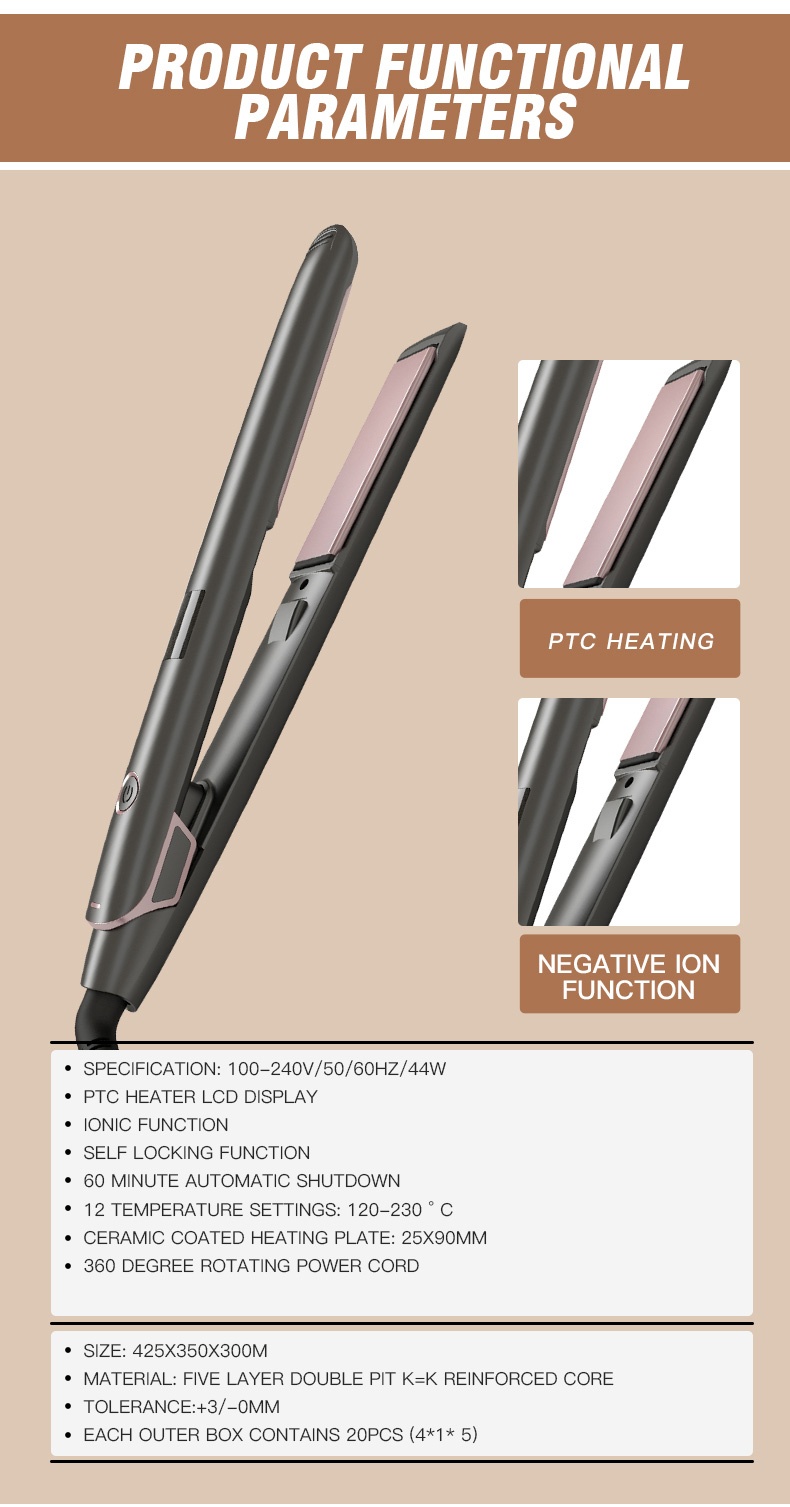
Oucai stands out as a dedicated supplier of personal hair care and men’s grooming products. Oucai launched back in 2022 in Zhejiang Province, China. They’ve earned solid trust through consistent quality. Their lineup includes fast-drying hair dryers, hot air brushes, and dependable straighteners. They ship to the US, Europe, and many other places. Oucai prioritizes comfortable designs. They blend practical tech that fits busy lives. Their straighteners come loaded with user-friendly extras. Adjustable temps rank high among them. Home users and salon pros both find value here. Oucai tools put hair health first.
Conclusion
To sum it all up, adjustable temperature settings go way beyond nice extras. They’re crucial for anyone who cares about their hair. These controls guard against needless damage. They perfectly suit fine hair vs thick hair demands. They bring multiple heat settings for salon-worthy finishes. Picking a temperature control hair straightener means investing in healthier, happier strands. Next time you reach for your tool, pause for a second. Consider what your hair truly needs. A quick twist of the dial might deliver exactly what you’ve been missing.
FAQs
What makes a temperature control hair straightener better for different hair types?
A temperature control hair straightener gives you freedom to choose the right heat. Set it around 250°F for fine strands to dodge breakage. Crank it higher—up to 400°F—for thick hair to tame curls properly. Studies on styling habits show this approach cuts damage by 10-30% over time. It makes the whole process feel smoother and more tailored.
How do multiple heat settings for salon use improve at-home styling?
Multiple heat settings for salon work deliver pinpoint control. Fewer passes mean less tugging. At home you borrow the same trick. Start gentle on damp spots. Then raise the heat where needed. You copy pro techniques. Hair stays straight longer without extra stress.
Can a fine hair vs thick hair flat iron really prevent damage?
Yes, it can. Fine hair scorches easily at high temps and splits. Thick hair needs serious heat or you drag the iron forever, wearing strands down. An adjustable flat iron matches your type exactly. It locks in moisture. Shine lasts. Pros rely on this logic every single day.
Why should I prioritize adjustable temps to enhance user experience?
Adjustable temps turn styling into something easy and gentle. You skip the burning sensation. Results look even. People notice way less frizz and breakage. Sessions wrap up quicker too. That matters on hectic mornings. You feel good using a tool that works with you.
Are there stats on why temperature control is key in hair straighteners?
Yes, plenty. The hair straightener market keeps growing—around 5-7% each year. About 70% of buyers pick models with temp controls because they cause less harm. In real life, these features protect hair over months and years. Cumulative heat exposure drops. Satisfaction climbs higher.