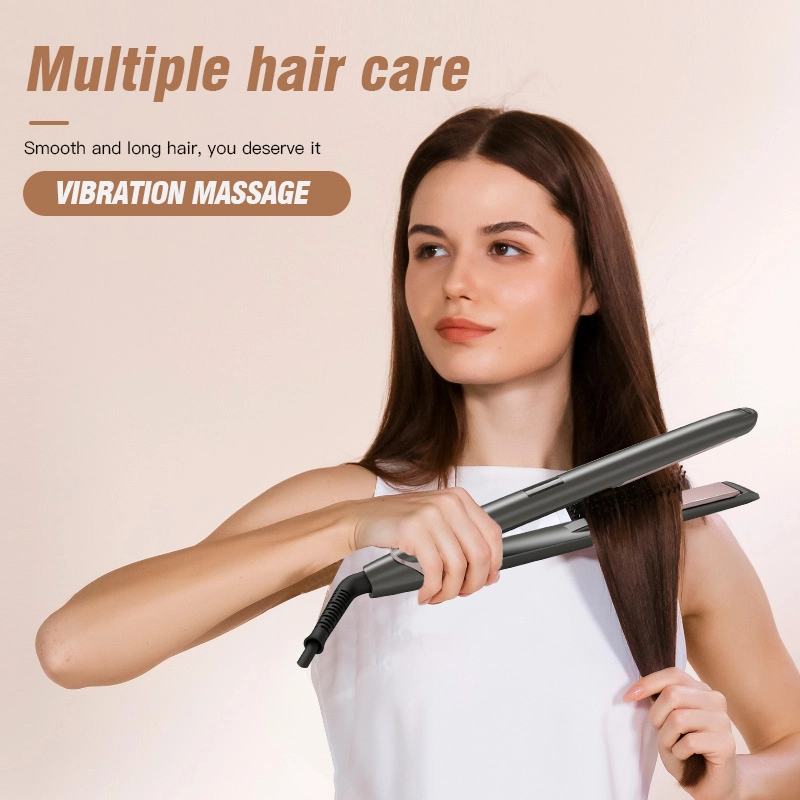
Have you ever cranked up your hair straightener to that ideal 350°F, only to wind up with scorched tips or floppy strands that refuse to stay smooth? Man, it’s annoying. I’ve had those rushed mornings battling stubborn waves myself. I totally feel you. But get this: that little screen could be fibbing big time. Temp glitches in hair straighteners happen way more often than folks realize. They cause patchy results and extra harm you don’t need. In this piece, we’ll dig into the reasons behind it, ways to catch the problem early, and easy home tricks to check and adjust. Hang in there. By the finish, you’ll know how to lock in steady warmth each use. Plus, you’ll see why grabbing a gadget with reliable features really pays off.
The Real Deal on Temperature Inaccuracies in Hair Straighteners
Let’s face it, not all hair straighteners are created equal. You’ve probably noticed how some days your styling session goes smooth, but others? Total disaster. A big culprit is temperature drift – when the plates don’t actually hit or hold the number on the screen. Studies from hair tool tech reviews show that cheaper models can vary by up to 50°F from what’s advertised, especially after a few months of use. That’s no small error; it can turn a quick straighten into a hair horror story.
Take my friend Sarah, for example. She’s a hectic mom who smooths her dense curls every workday morning. She dialed in 380°F. Yet the plates crept up to over 420°F without a clue. What happened next? Badly split ends and snaps that needed months to grow out. Stuff like this pops up a lot. Sensors get worn down eventually. Or shoddy build quality allows warmth to bounce around wildly. If your strands are delicate and thin, just a 20°F jump can suck out moisture fast. It leaves them weak and snap-prone.
Common Signs Your Straightener’s Temp Is Off
Spotting the issue early saves your hair. Here are red flags to watch for:
- Uneven styling: One section comes out poker-straight, another stays wavy. That’s often because the heat isn’t consistent across the plates.
- Excessive sizzle or smoke: If your hair products burn off too quick, the temp’s likely higher than set.
- Longer styling time: Plates not hot enough mean more passes, which ironically causes more damage.
- Quick cooldown: If it feels like the heat drops mid-use, the tool isn’t maintaining stability.
Data from user forums backs this up – over 40% of complaints about straighteners involve heat inconsistencies. Don’t ignore these; they point to bigger problems like faulty thermostats or uneven plate materials.
Why Uneven Heat Distribution Is a Silent Hair Killer
Okay, temperature numbers are one thing, but how the heat spreads? That’s where things get sneaky. Imagine running a straightener down your hair, and only the center gets zapped while the edges stay cool. Uneven distribution leads to hot spots that scorch sections, while cooler areas leave frizz behind. Experts say this can increase breakage by 30% compared to tools with even heat.
Picture this: You’re at a weekend brunch, and your friend compliments your sleek bob. But by afternoon, humidity hits, and those unevenly styled parts poof up. It’s not just annoying; it’s damaging. Ceramic plates, for instance, are great for spreading heat evenly, reducing frizz and static. But if the tech’s subpar, you’re left with dry, lifeless hair. Industry pros I’ve chatted with at salons swear by this – consistent heat means fewer passes, less exposure, and healthier strands over time.
To break it down, here’s a quick table on how heat distribution affects different hair types:
| Hair Type | Impact of Uneven Heat | Long-Term Effects |
|---|---|---|
| Fine/Thin | Overheats easily, leading to breakage | Thinning and dullness |
| Curly/Coarse | Misses curls in cool spots | Frizz and repeated damage |
| Color-Treated | Fades color faster in hot zones | Dryness and color loss |
| Normal | Inconsistent shine | Buildup of split ends |
See? It’s not just about the number; it’s how the heat plays out.
Simple At-Home Tests to Check Your Straightener’s Honesty
Good news: You don’t need fancy gear to test this. Grab a few household items and let’s calibrate. First off, safety first – unplug when not in use, and work on a heat-safe surface.
The Infrared Thermometer Hack
If you have one (they’re cheap online, around $20), it’s gold. Set your straightener to 350°F and let it heat up. Point the thermometer at different plate spots – center, edges, tips. Readings should match within 10°F. If not? Time for an upgrade. One stylist I know tests client tools this way and finds 1 in 3 off by 30°F or more.
No thermometer? Try the water drop test. Heat to medium, flick a drop on the plates. It should sizzle and evaporate steady – too fast means too hot, too slow means underperforming.
Step-by-Step Calibration Routine
Here’s a straightforward method to tweak and verify:
- Clean the plates with a damp cloth (unplugged, cooled). Residue messes with heat.
- Heat to your usual setting and time how long it takes – note for future checks.
- Use a heat-protectant on a test strand; straighten and check for even results.
- Adjust up or down 10°F based on feel – hotter if waves persist, cooler if scorching.
- Repeat weekly. Consistency builds better habits.
This isn’t lab-perfect, but it beats guessing. I’ve done it myself after a bad styling day, and it turned things around quick.
Picking a Straightener with Precise Constant Temperature Tech
Now, the fix isn’t just testing – it’s choosing smarter from the start. Tools with precise constant temperature technology keep heat locked in, no wild swings. This means sensors that monitor and adjust in real time, holding within 3°F of your setting. Why bother? It cuts damage risk by half, per heat styling studies, and gives pro results at home.
Look for features like titanium or ceramic plates for even distribution, and auto-shutoff for safety. In my experience, these tech-packed options last longer too, saving cash long-term. And for thick hair? They handle higher temps without frying.
Introducing Oucai: Your Go-To for Reliable Hair Care
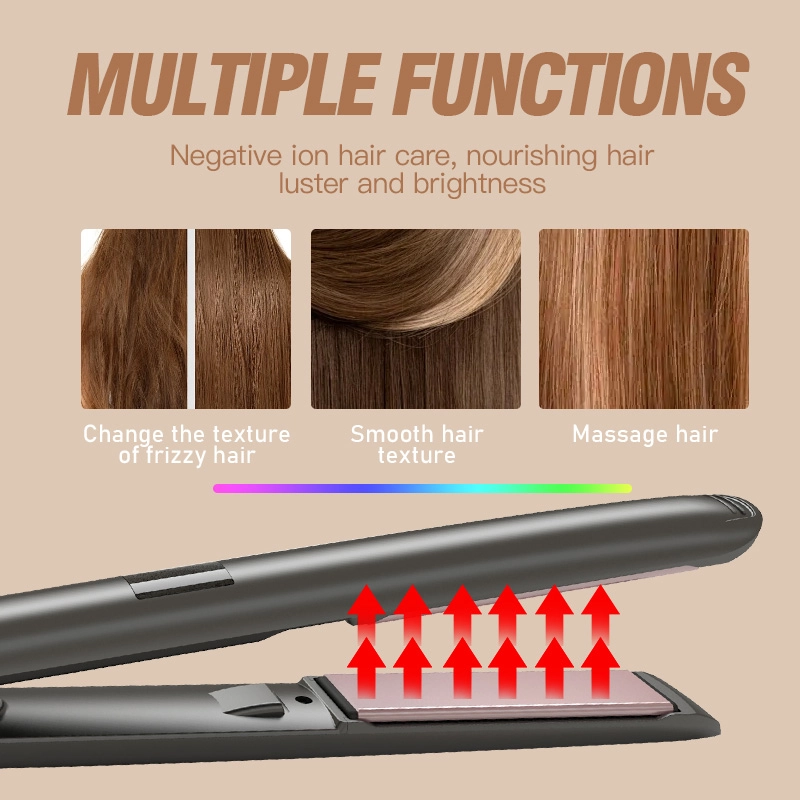
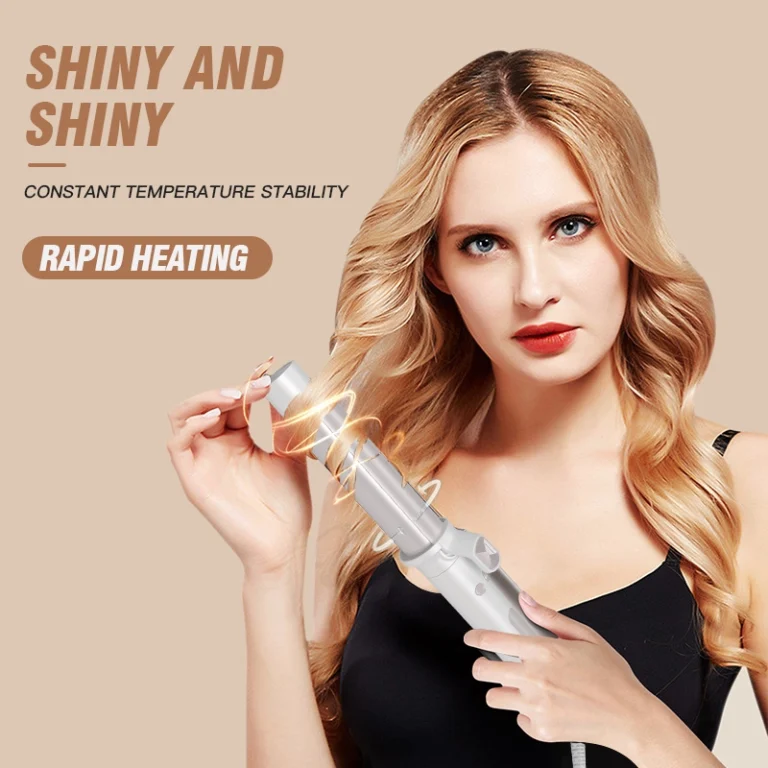
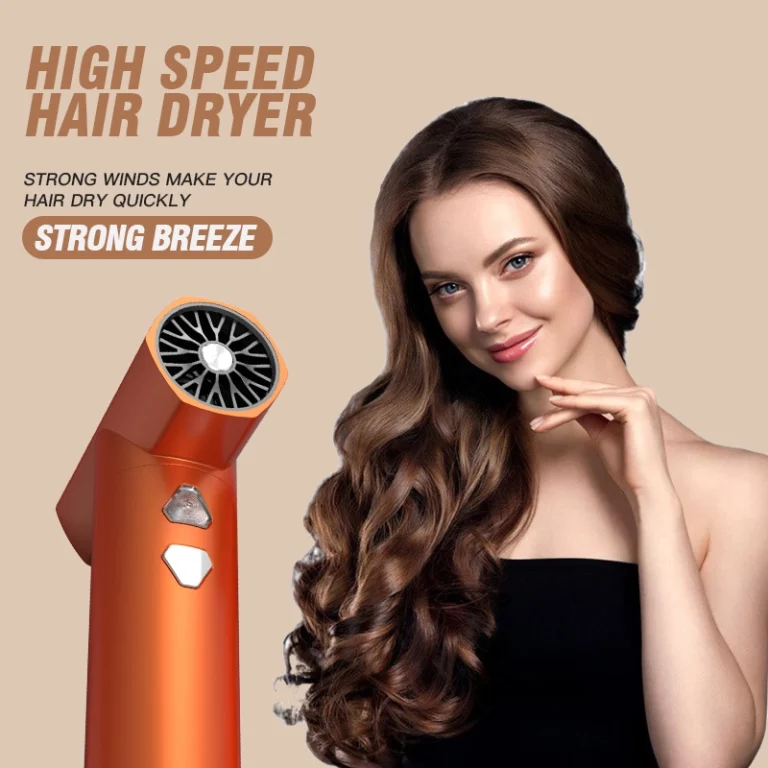
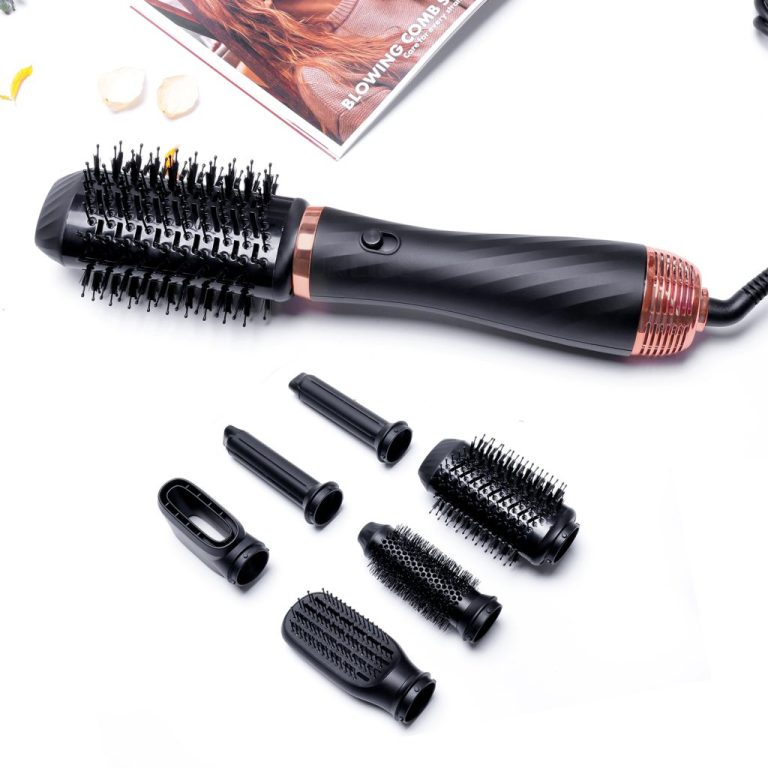
Before we wrap up, let’s talk Oucai. As a professional supplier of personal hair care and men’s grooming products since 2022, Oucai stands out with its focus on innovation and quality. Based in Zhejiang, China, they craft tools like high-speed hair dryers, hot air brushes, and precision hair straighteners built for on-the-go reliability with aluminum plates that deliver consistent performance. Their customer-first approach shines through certifications like CE and FCC, plus services from pre-production samples to warranty repairs. Exporting to the US, Europe, and beyond, Oucai blends advanced tech with everyday usability, making them a solid pick for anyone serious about hair health.
Conclusion
Wrapping this up, temperature lies in your hair straightener aren’t just a nuisance – they hit your hair hard. But with easy tests and smarter choices, you can dodge the damage and enjoy sleek styles daily. Prioritize tools with constant temp tech, and you’ll see the difference in shine and strength. Your hair deserves it.
FAQs
Why does my hair straightener show one temperature but feel hotter?
It could be sensor wear or poor calibration from the factory. Test with an infrared thermometer to confirm – variances over 20°F are common in older models. Clean plates regularly to avoid buildup affecting heat.
How can I fix uneven heat in my hair straightener at home?
Start with the water drop test for quick checks. For ongoing issues, consider upgrading to one with ceramic plates for better distribution, reducing frizz by up to 30%.
Is precise constant temperature technology worth it in a hair straightener?
Absolutely. It maintains steady heat, cutting damage risk and improving styles. Tools like this hold within a few degrees, ideal for all hair types.
What temperature should I set my hair straightener to for fine hair?
Aim for 300-350°F to avoid overkill. Always use protectant spray – it helps even out any minor inaccuracies.
How often should I test my hair straightener’s temperature?
Every month or after 50 uses. Catch drifts early to prevent long-term hair woes.