Global Shift Toward Cordless Professional Clippers in 2026
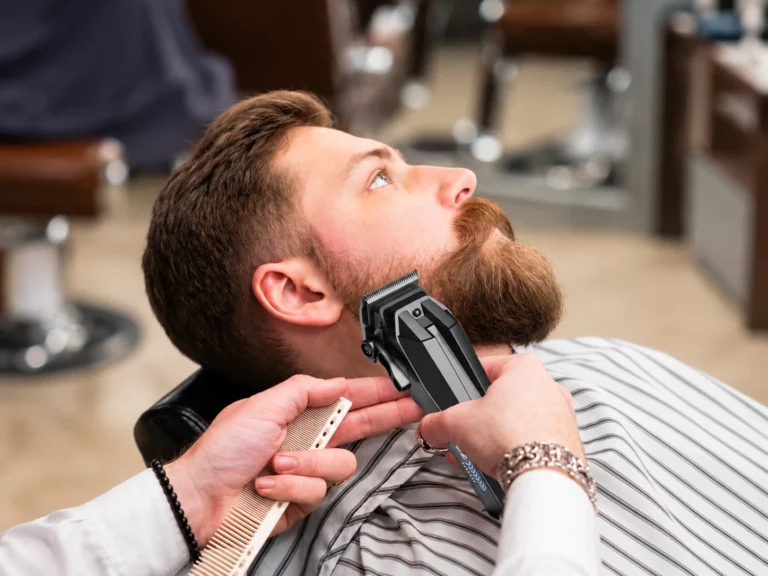
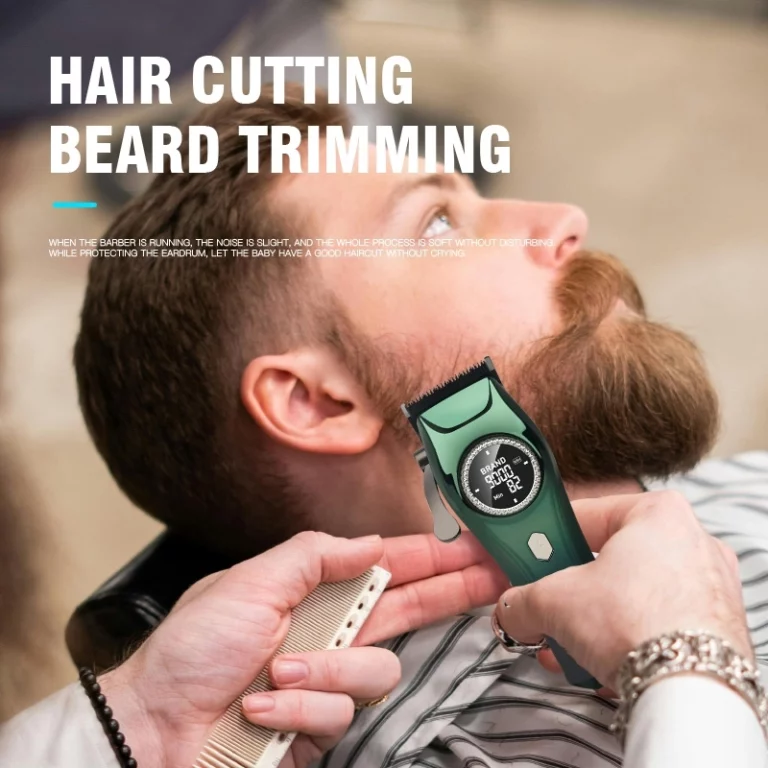
The grooming equipment market is not changing loudly, but the shift is steady and very real. Inside many barbershops, cordless clippers are no longer seen as a “nice upgrade”. They are becoming the default tool setup, especially in high-traffic shops where chair turnover is fast and every second matters.
Anyone who has worked in a busy barbershop knows the small friction points. A cord getting caught during a fade. A slight pause when switching positions. It doesn’t sound like much, but over a full day of clients, these interruptions add up.
On the distributor side, reorder patterns are also changing. Cordless models are no longer experimental stock—they are repeat purchase items in many regions, especially where mobile grooming and fast-service salons are growing.
Oucai, as a professional grooming tools supplier with OEM/ODM capability, supports this market shift with a full range of cordless hair clippers designed for barbershop and wholesale distribution. Its product portfolio includes different performance levels of clippers and trimmers used across salon, retail, and distributor channels.
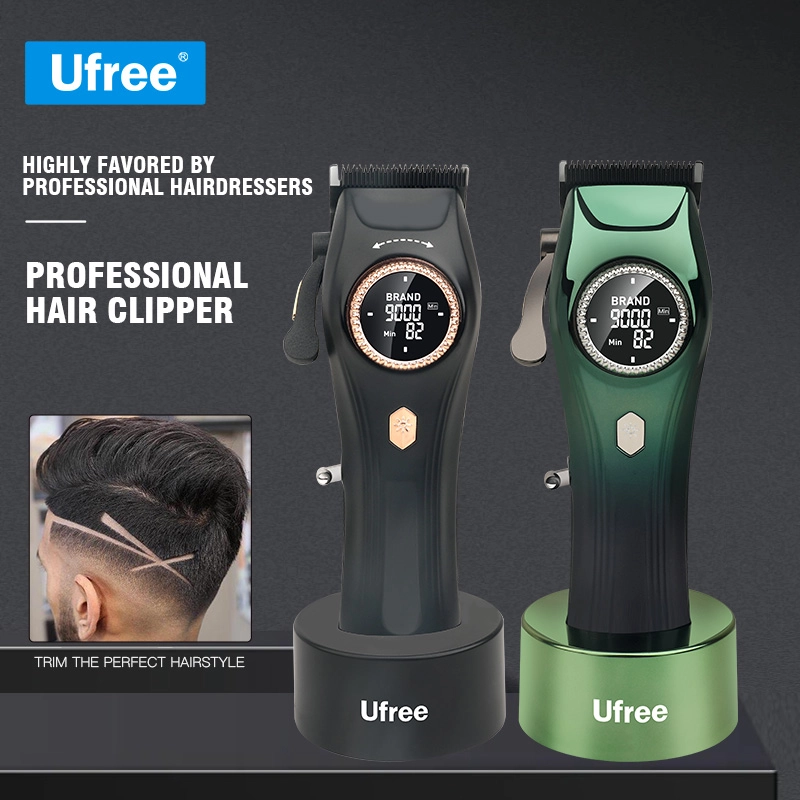
Why Heavy-Duty Cordless Clippers Matter in Real Barbershop Work
Not all cordless clippers are built for professional environments. On paper, many look similar. In real use, the difference shows up very quickly.
Heavy-duty models are usually defined by how well they handle pressure, not how they look in specification sheets.
Motor stability under continuous workload
In a barbershop, clippers rarely get a break. They move from client to client, sometimes running almost non-stop during peak hours.
A stable torque motor is important here. When cutting thick or dense hair, weak output causes blade slowdown, which leads to uneven fading and extra passes. That’s not just technical—it affects service speed and client experience.
Real-world battery behavior
Battery numbers printed on packaging often assume ideal conditions. Real shop usage is different.
Barbers switch between tools, partial charge happens frequently, and sometimes a tool goes from 80% to empty faster than expected during continuous work.
In Oucai’s product line, battery performance varies by model. For example, certain professional cordless clippers are equipped with high-capacity lithium batteries designed for long runtime cycles, while other compact trimmers focus more on lightweight and charging flexibility for mobile use scenarios. This range-based design allows distributors to match different market needs more precisely.
Blade heat and cutting consistency
Blade temperature is something many people underestimate until it becomes a problem.
After extended use, overheated blades reduce cutting precision and can make skin contact uncomfortable. In fade work especially, consistency matters more than speed.
Balance and handling fatigue
Weight distribution is not just comfort—it changes how the tool feels after hours of use.
Even small imbalance can slow down detailing work over time. Most experienced barbers notice this difference immediately, even if they don’t always describe it technically.
Real Operational Challenges in Barbershops
Buying decisions in this category rarely come from spec sheets alone. They come from daily operational pressure.
Peak-hour service load
During weekends or evening rush hours, barbershops operate in a compressed workflow. Multiple clients wait, chairs rotate quickly, and there is little tolerance for interruption.
A tool failure at the wrong moment can affect the entire service schedule for the day.
Battery uncertainty during service
Most barbers do not actively monitor battery levels mid-service. They only notice it when a tool stops during a fade or detailing cut. That moment often forces switching tools, which breaks rhythm and consistency.
Blade wear and hidden cost
Lower-grade blades tend to lose sharpness faster than expected. This doesn’t always show immediately, but over time it increases replacement frequency and adds hidden operational cost, especially in high-volume shops.
How Oucai Meets Professional Barbershop Performance Standards
Oucai’s hair clipper product range covers multiple categories, including professional cordless clippers, trimmers, magnetic motor clippers, and brushless motor models designed for different grooming needs. Models such as U-857, U-5157, and U-855 reflect different performance focuses such as high-speed cutting, blade durability, and metal-body professional design.
Oucai focuses on grooming tools designed for continuous commercial use rather than light personal grooming.
As a manufacturing-driven company with OEM and ODM capability, production consistency and batch stability are core parts of its supply system. For distributors, this matters as much as product performance.
Stable motor system for professional workload
Oucai cordless clippers are built around stabilized torque output systems designed for continuous cutting performance. This helps maintain cutting consistency even under dense or coarse hair conditions.
Battery system designed for repeated cycles
The lithium battery system is developed for multi-client usage scenarios.
In specific models such as the U-857, the device is equipped with a 4500mAh lithium battery and supports up to 300 minutes of use. Other models such as U-5157 use a 2000mAh battery system with USB charging design. These variations help distributors select suitable configurations for different market price segments and usage expectations.
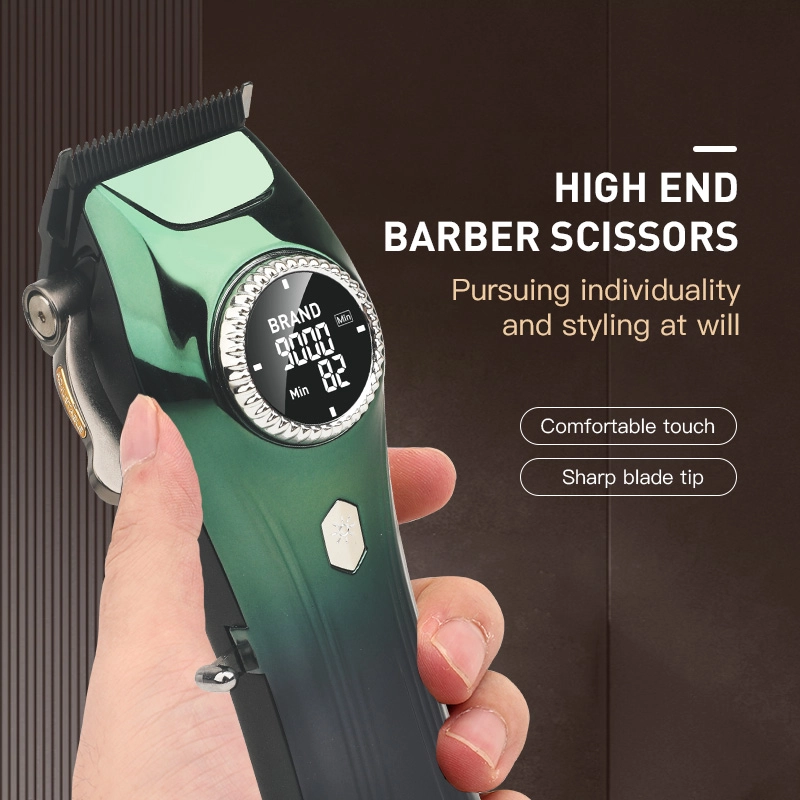
Precision blade structure for fading work
Blade design supports fade transitions, tapering, and outline detailing. In practical use, this reduces the need for repeated passes and helps maintain consistent results across different hair types.
OEM / ODM customization support
For wholesale partners and grooming brands, customization is often part of the business model.
Oucai provides:
- logo customization
- packaging adaptation for regional markets
- product specification adjustment
- batch production consistency control
Selected Oucai grooming tool models also follow international compliance requirements such as CE, ROHS, and FCC standards, and support spare parts supply and replacement services for long-term distributor cooperation.
Wholesale Buyer Decision Factors
For professional buyers, long-term value is rarely based on a single purchase experience.
Batch consistency
Stable production quality across batches helps reduce return rates and builds long-term trust between suppliers and retailers.
MOQ flexibility
Different buyers operate at different stages. Some test new markets, others scale established distribution networks. Flexible MOQ helps both without excessive inventory pressure.
Spare parts and lifecycle support
Blade replacement availability and accessory support directly affect product lifecycle value. This is often overlooked during initial sourcing but becomes critical after months of use.
Export and market adaptability
Different regions have different usage preferences. Some markets prioritize power, others prefer quieter operation or lighter tools. Adaptability improves long-term competitiveness.
Application Scenarios
Heavy-duty cordless clippers are widely used in different professional environments:
- Urban high-traffic barbershops
- Barber training academies
- Mobile grooming services
- Wholesale grooming distributors
- E-commerce grooming brands
Mobile barbers in particular rely heavily on cordless flexibility, especially in suburban areas where on-site services are growing steadily.
Procurement Considerations for B2B Buyers
When evaluating suppliers, experienced buyers usually focus on:
- real motor stability under workload conditions
- verified battery cycle performance
- blade replacement availability
- batch-to-batch consistency
- long-term supply reliability
In most cases, the final decision is not about the first order. It is about whether the supplier can keep quality stable after repeated reorder cycles.
Sustainability and Product Lifecycle Value
In long-term procurement, durability also has a sustainability side.
Longer-lasting blades, stable motor systems, and replaceable components reduce the need for frequent product replacement. This helps lower unnecessary waste and supports more efficient use of materials over time.
For barbershops and distributors, this is not just an environmental consideration—it also reduces long-term operational cost.
Conclusion
The shift toward heavy-duty cordless clippers reflects how barbershop operations are evolving. Speed, consistency, and reliability now matter more than simple product specifications.
Oucai positions its cordless clipper systems around these real-world requirements, focusing on stable motor performance, battery reliability, and manufacturing consistency for wholesale partners.
For distributors, importers, and grooming brands planning long-term expansion in 2026, working with a stable manufacturing partner is often more important than short-term pricing advantages.
For wholesale orders, OEM requests, or barber clipper supplier cooperation, contact Oucai to explore professional cordless grooming solutions tailored to different regional markets.
FAQs
Q1: What defines a heavy-duty cordless clipper for professional use?
A: Stable motor torque, long-cycle battery performance, durable blade system, and consistent operation under continuous barbershop workload.
Q2: Why is motor stability important in professional clippers?
A: It ensures consistent cutting performance during dense or coarse hair work and reduces slowdown during continuous use.
Q3: What makes OEM/ODM suppliers like Oucai important for distributors?
A: They provide batch consistency, customization options, and stable supply chains for long-term distribution planning.
Q4: How does blade quality affect operational cost?
A: Poor blade durability increases replacement frequency and hidden maintenance costs over time.
Q5: What should distributors prioritize when selecting a supplier?
A: Motor performance, battery reliability, batch consistency, spare parts availability, and long-term supply stability.