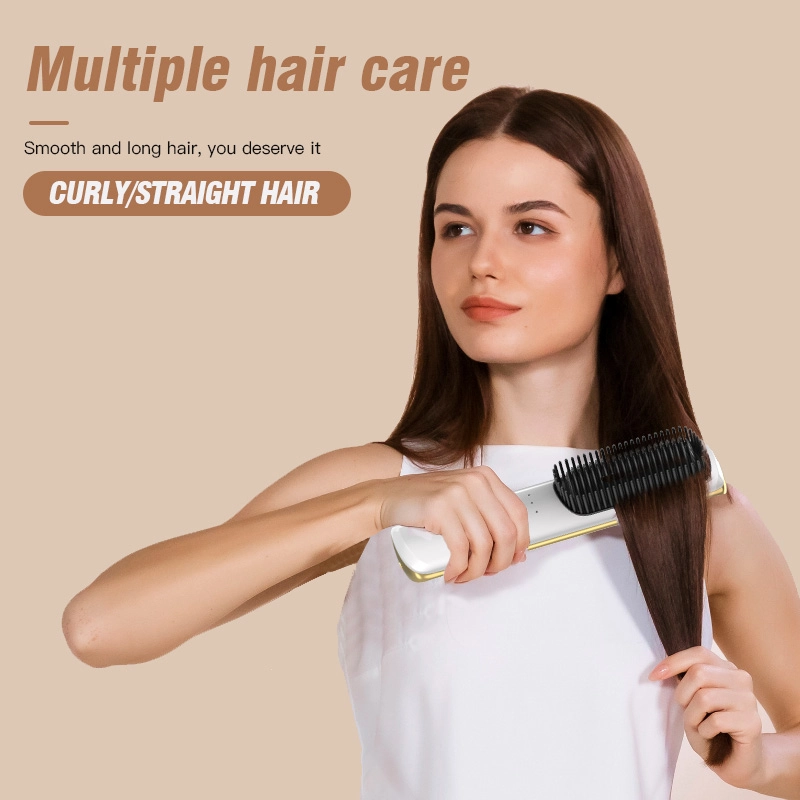
Mornings can get crazy. You’re rushing out the door, coffee in one hand, and trying to tame that frizz with the other. Sound familiar? Now picture this: your straightener dies halfway through because the outlet’s too far, or worse, you’re at the airport and realize you forgot the cord. Ugh. That’s where the big debate kicks in—rechargeable hair straighteners versus the classic corded ones. Both get the job done, but one might fit your life way better. Let’s break it down honestly, no fluff. We’ll look at real pros and cons so you can decide what’s worth it for you.
Why the Choice Between Rechargeable and Corded Even Matters
Hair straighteners have come a long way. Back in the day, everything plugged in. Simple. Reliable. But now? Wireless options are everywhere. People travel more, work from coffee shops, or just hate dealing with tangled cords in tiny bathrooms. Surveys from beauty forums show over 60% of folks under 35 want portable tools these days. It’s not just trendy—it’s practical. Still, corded models hang on strong for a reason. They deliver steady power without limits. So yeah, the trade-off boils down to freedom versus raw performance. And honestly? It depends on how you roll.
Think about your week. Gym bag styling after a workout? Hotel rooms with sketchy outlets? Or are you mostly at home with plenty of plugs? That’s the starting point.
The Upside of Corded Hair Straighteners (And Why They Still Rule for Some)
Corded ones are the workhorses. Plug them in, and they’re ready to go full blast. No waiting for a charge. No worrying about battery life halfway through thick hair.
Here’s what makes them solid:
- Unlimited runtime: Style for hours if you want. Great for long sessions or sharing with roommates.
- Consistent high heat: They hit 450°F easy and stay there. No drop-offs that leave waves behind.
- Faster heat-up: Often ready in 30 seconds flat. Pros in salons swear by this for back-to-back clients.
- Usually cheaper upfront: You’re not paying for fancy batteries or wireless tech.
I remember my sister swearing by her plugged-in model during college. Dorm outlets everywhere, no issues. She’d do her hair plus three friends without a hiccup. Data from styling tool reviews backs it—corded versions rarely overheat or lose power mid-use.
But let’s keep it real. That cord? It tangles. It limits where you stand. And traveling? Packing a bulky adapter sucks.
The Real Drawbacks of Corded Models in Everyday Life
Cords get in the way. Plain and simple. You’re twisting around the mirror, yanking the plug accidentally. One wrong move, and it falls behind the sink. Travel throws another wrench—different countries, different voltages. You need converters, or risk frying the thing. Ever been in a rush and tripped over the cord? Yeah, not fun. For active folks or frequent flyers, these little hassles add up quick.
When Cords Become a Total Pain
- Airport touch-ups: No outlet nearby? Tough luck.
- Outdoor events: Weddings, photoshoots—good luck finding a plug.
- Small spaces: Tiny apartments mean fighting for mirror room without extension cords everywhere.
What Rechargeable Hair Straighteners Bring to the Table
Now flip it. Rechargeable hair straighteners cut the cord completely. Charge them up like your phone, toss in your bag, and go. Freedom feels amazing.
Key perks that win people over:
- Total portability: Style in the car, at the office, or mid-flight. No hunting for outlets.
- Quick charges for busy days: Many juice up in under an hour via USB.
- Lighter and compact: Easier to pack. Perfect for gym lockers or weekend trips.
- Safer in wet areas: No live cord near water—big plus in bathrooms.
Picture heading to a music festival. You’re camping, no power nearby. A charged straightener lets you look polished for those selfies. Or post-workout at the gym—quick smooth without dragging a cord across the locker room. Users rave about this in travel groups. One mom I know keeps hers in the diaper bag for on-the-go fixes. Life changer.
The Honest Downsides of Going Rechargeable
They’re not perfect. Batteries mean limits.
Common gripes:
- Limited runtime: 20-40 minutes tops on a full charge. Fine for quick styles, not marathon sessions.
- Slightly longer heat-up: Sometimes 45-60 seconds versus instant.
- Heat might dip on low battery: Thicker hair could need an extra pass.
- Higher price tag: You pay for the tech and convenience.
Heat distribution can suffer a bit too if the battery strains. And over time? Batteries wear out, though good ones last years.
Here’s a quick side-by-side to make it clearer:
| Feature | Corded Hair Straighteners | Rechargeable Hair Straighteners |
|---|---|---|
| Power Source | Wall outlet – unlimited | Battery – 20-45 min typical |
| Portability | Tied to cord length | Toss in bag, go anywhere |
| Heat Consistency | Rock solid all session | Strong, but can soften near end |
| Heat-Up Time | Super fast, 15-30 sec | Decent, 30-60 sec |
| Best For | Home use, long styles, pros | Travel, quick touch-ups, on-the-go |
| Price Range | Often lower | Bit higher for the wireless freedom |
| Weight | Heavier with cord | Lighter overall |
See how it shakes out? Corded wins on raw power. Rechargeable takes the crown for real-life flexibility.
How Far Have Rechargeable Hair Straighteners Really Come?
Early wireless models kinda sucked. Weak heat, died fast. But now? Tech caught up big time. Modern ones pack lithium batteries that hold strong. Many reach salon temps—up to 450°F—and recover quick between passes. Some even have smart indicators so you know exactly what’s left. Stylists I’ve talked to say the gap’s closing. For most hair types, you won’t notice much difference unless you’re doing super thick or super long locks daily.
Introducing Oucai: Quality Hair Tools Built for Real Life
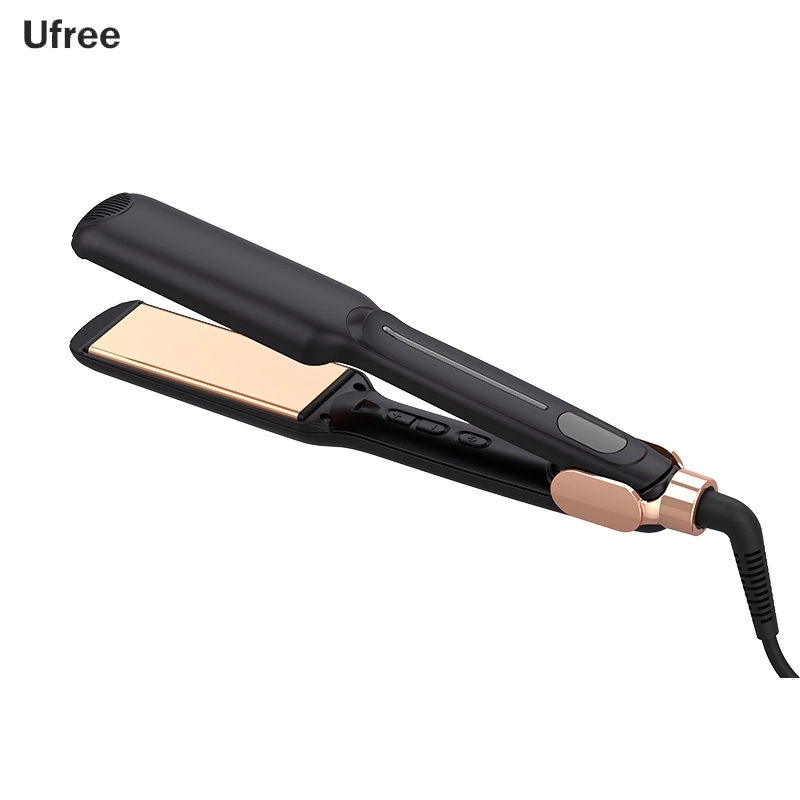
Let’s talk Oucai for a sec. They’ve been crafting personal hair care and men’s grooming gear since 2022 out of Zhejiang, China. Think high-speed dryers, hot air brushes, precise clippers and solid hair straighteners. Models like the U-8276 rechargeable hair straightener stand out. It’s designed for folks who want cord-free ease without giving up pro-level results. Charge it once, get enough juice for multiple full styles or a whole trip. Aluminum or ceramic plates heat evenly, hit high temps fast, and keep things smooth without snags. They’re big on practical innovation—CE and FCC certified, shipped worldwide to the US, Europe, and beyond. If you’re after tools that just work, no drama, Oucai delivers that everyday reliability.
Conclusion
Bottom line—neither rechargeable nor corded hair straighteners is outright better. It’s about your routine. Love staying home and want max power? Stick corded. Always on the move, hate cords, need quick fixes anywhere? Rechargeable all the way. Today’s wireless options, especially solid ones like Oucai’s, give you real freedom without skimping on sleek, lasting styles. Pick what matches your days, and your hair will thank you.
FAQs
Are rechargeable hair straighteners as hot as corded ones?
Most hit the same high temps—around 400-450°F. Good models maintain it well throughout the charge, so your styles come out just as smooth.
How long does a rechargeable hair straightener last on one charge?
Depends on the model and heat setting, but quality ones give 30-45 minutes easy. That’s plenty for a full head a few times over or touch-ups on a weekend getaway.
Can rechargeable hair straighteners handle thick or curly hair?
Absolutely, especially newer ones with strong batteries and even plates. You might need one extra pass compared to corded, but results hold up great.
Are rechargeable hair straighteners worth it for travel?
Hands down, yes—if you fly or road-trip often. No adapters, no outlet hunting. Just charge and pack.
Do corded hair straighteners damage hair less than rechargeable ones?
Not really. Damage comes from heat misuse, not the power source. Use protectant, right temp, and either type works fine when done smart.