Men’s grooming has moved far beyond the simple choice between a razor and shaving foam. In 2026, facial hair care is more closely linked with personal style, workplace image, comfort, and daily convenience. Short stubble, trimmed mustaches, shaped jawlines, and light beards are common. This change has made the beard trimmer a more important product category for both consumers and B2B buyers.
For B2B buyers, this matters. A traditional razor still has a place, especially for close shaving. But modern beard care is no longer only about removing hair. It is about control, comfort, speed, and repeatable daily use. That is why beard trimmer products, electric shaver options, and grooming kit sets are getting more attention from distributors, online retailers, and private-label grooming brands.
Oucai fits this market direction through its focus on personal hair care and men’s grooming products. The question is no longer “razor or trimmer” but which product type supports repeat sales, variety, and long-term category growth.
Why Is Beard Care Moving Beyond Traditional Shaving?
Beard care is no longer only about removing facial hair. In many markets, facial hair is part of a normal daily look. Short stubble may need trimming every two or three days. A shaped beard may need a clean neckline. A mustache may need small edge work. These small grooming jobs are where a razor feels limited.
From Clean Shave to Daily Beard Styling
A traditional razor is made for smooth shaving. It cuts close to the skin and leaves little or no facial hair. This is still needed by many users, especially for formal work settings, personal habits, or markets where clean shaving remains popular.
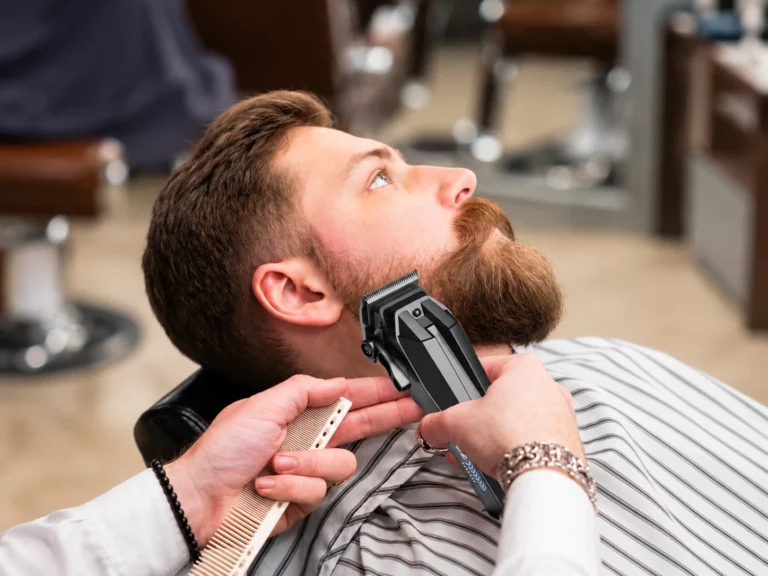
A beard trimmer has a different role. It helps control facial hair instead of removing all of it. With guide combs or length settings, users can keep stubble at a fixed length, shape the jawline, or clean uneven areas around the chin and cheeks.
Why Convenience Matters in Daily Grooming
Daily grooming is usually not a long, quiet routine. It often happens before work, before travel, or before a quick meeting.
Modern users prioritize features like cordless convenience, fast charging, and travel-friendly designs for quick touch-ups.
A razor often needs water, shaving foam, rinsing, and closer attention to the skin. That is fine for a full shave. For a quick neckline cleanup, it can feel like too much work. A beard trimmer gives faster control in many daily situations. This is one reason the category works well for modern grooming product lines.
Beard Trimmer vs Razor: What Should Buyers Compare?
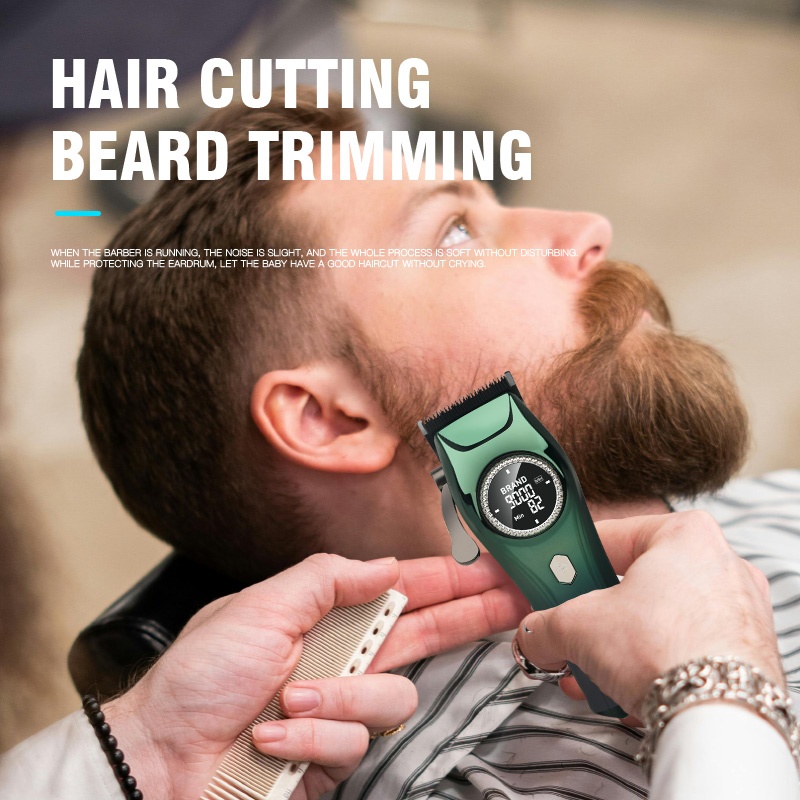
A fair comparison between beard trimmers and razors should consider different use cases. Razors are still useful for close shaving, especially when a smooth finish is required. Beard trimmers, however, are better suited for users who want facial hair control, beard styling, and repeated maintenance.
For B2B buyers, this comparison should not focus only on basic function. It should also consider product positioning, feature presentation, consumer habits, and retail value.
| Comparison Point | Traditional Razor | Beard Trimmer |
| Main function | Close shaving | Trimming, shaping, length control |
| Best for | Smooth face | Stubble, short beard, styled beard |
| Daily use | Needs more preparation | Good for quick touch-ups |
| Skin contact | Direct blade contact | Less direct contact in many uses |
| Product positioning | Basic grooming item | Feature-based grooming device |
| B2B value | High volume, less difference | More features, kits, and price levels |
Traditional Razors Focus on Close Shaving
Traditional razors are easy to understand. They are used in almost every market, and many consumers already know how to use them. For a clean shave, the result is direct and reliable.
But razors are not made for beard length control. They cannot keep a 2 mm or 5 mm beard. They cannot shape a short boxed beard without removing too much hair. They also have direct blade contact, which may cause small cuts or skin irritation when used in a hurry.
For retailers, razors are still useful as regular shaving products. Yet they are not always enough for modern beard care shelves. Many users need a second tool for trimming and shaping.
Beard Trimmers Offer More Grooming Flexibility
A beard trimmer can cover more small grooming tasks. It can shorten facial hair, tidy the neckline, clean the cheeks, and keep stubble at a fixed length. This makes it useful for users who do not want a full shave every day.
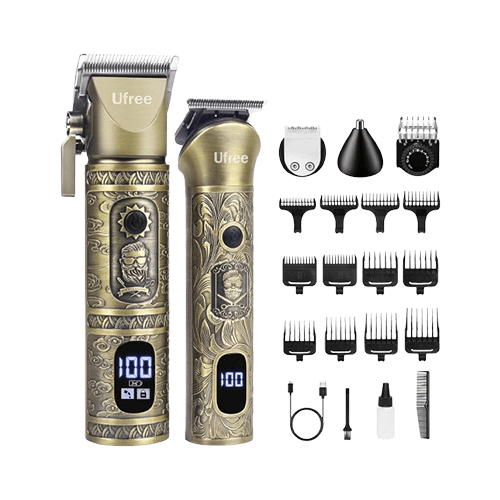
Guide combs help control length. Precision blades help with edges. Rechargeable design makes the product easier to use at home or during travel. Some grooming kit sets also add detail trimmers, nose trimmers, or shaving heads.
Why Beard Trimmers Have Stronger B2B Market Value
B2B buyers usually look at more than product function. Price range, shelf display, packaging, online conversion, review risk, and repeat orders all matter. In these areas, beard trimmers often give more space to work with.
A basic razor is usually price-sensitive. A beard trimmer can be placed in entry-level, mid-range, or higher-value grooming lines. It can also be sold alone or inside a grooming kit. This makes the category more flexible for different sales channels.
More Room for Product Differentiation
A razor can be changed through blade count, handle shape, cartridge type, or packaging. A beard trimmer has more parts that can be adjusted.
Common product differences include:
- Blade material
- Motor power
- Noise level
- Battery capacity
- USB charging
- Charging stand
- Washable head
- Guide comb range
- LED indicator
- Travel lock
- Storage pouch
- Grooming kit setup
These points help buyers build different versions for different markets. A simple beard trimmer can suit value channels. A grooming kit can suit online retail or gift demand. A stronger electric shaver and trimmer set can support a higher price range.
Better Fit for Retail and E-commerce Selling
E-commerce needs products that are easy to explain through images and short copy. Beard trimmers work well here. Accessories, comb sizes, battery indicators, and cleaning design can all be shown clearly.
Offline retail can benefit too. A beard trimmer with a clean accessory layout often looks more valuable on the shelf than a plain shaving item. The package can show function, not only brand name and price.
What Features Matter in a Modern Beard Trimmer?
Product features should answer real user complaints. Weak cutting, short battery life, hard cleaning, or too many confusing parts can lead to poor reviews. For B2B buyers, these problems affect returns and reorder confidence.
A modern beard trimmer should keep the basics right first. Smooth cutting, stable power, simple handling, and easy cleaning usually matter more than a long list of small extras.
Blade Quality and Trimming Comfort
Blade quality is one of the first things users notice. A beard trimmer that pulls hair or leaves uneven patches will not keep good reviews for long. Thick facial hair makes this even more obvious.
Stainless steel blades are commonly used because they are durable and suitable for repeated trimming. A good blade structure helps the trimmer cut more smoothly, with fewer repeated passes.
Comfort also matters. Many users trim near the neck, chin, and upper lip, where skin can be more sensitive. A trimmer that feels rough can quickly become a product that stays in the drawer. For buyers, better trimming comfort supports better product feedback and stronger customer trust.
Battery, Attachments, and Cleaning Design
Battery performance affects daily use. A cordless beard trimmer should hold enough power for several grooming sessions. USB charging is also useful because it matches current travel and home habits.
Attachments should be practical. Guide combs help with different beard lengths. A detail trimmer can help with edges. A cleaning brush or washable blade head makes maintenance easier.
Still, more accessories are not always better. Too many parts can make the product look messy after purchase. A clear grooming kit with useful attachments often works better than a large set full of pieces that users rarely touch.
Why Oucai Fits Modern Beard Care Demand
Oucai’s strategic direction aligns perfectly with the evolving demands of modern men’s grooming. By focusing comprehensively on personal hair care and men’s grooming products, Oucai enables B2B buyers to move away from isolated product sourcing and instead build cohesive, high-value grooming categories.
Robust Manufacturing & OEM/ODM Infrastructure
As a professional manufacturer with comprehensive production and OEM/ODM capabilities, Oucai ensures that global distributors and brand owners receive reliable supply chain support. From precision blade manufacturing to robust motor selection and advanced battery management, Oucai integrates strict quality control standards throughout the development process. This manufacturing depth directly translates into reduced return rates and protected brand reputations for retail partners.
Dynamic Cataloging & Flexible Sourcing Configurations
This comprehensive product lineup supports distributors, retailers, and private-label brands through flexible sourcing configurations. Buyers can easily plan single beard trimmer models for high-volume value channels, configure targeted electric shaver combinations, or develop premium multi-functional grooming kits to drive online conversion and gift-season retail sales.
By emphasizing daily beard care, precise length control, and structural flexibility, Oucai provides a reliable, market-ready foundation for future sourcing and long-term category growth. Global buyers can explore full custom customization options and the latest product catalog at the Oucai official website.
Conclusion
Beard trimmers and razors both have a place in men’s grooming. Traditional razors are still useful for close shaving and smooth finishes. Beard trimmers, however, fit the 2026 market better when users want flexible beard care, quick trimming, and better control over facial hair length.
For B2B buyers, the beard trimmer category offers more room for product features, packaging, price levels, and private-label planning. Oucai fits this direction through its focus on personal hair care and men’s grooming products. For distributors, retailers, and grooming brands building a stronger beard care line, Oucai provides a practical product direction for future sourcing and category development.
FAQ
Q1: Is a beard trimmer better than a razor?
A: Trimmers are better for shaping and length control; razors work for smooth shaving.
Q2: Why is the beard trimmer category growing in 2026?
A: Users prefer faster grooming, stubble control, cordless use, and flexible styling.
Q3: What should B2B buyers check before sourcing a beard trimmer?
A:Blade quality, battery life, guide combs, cleaning design, packaging, and attachments.
Q4: Is a grooming kit more valuable than a single trimmer?
A:Kits offer higher retail value when attachments are practical and easy to manage.
Q5: Why can Oucai fit modern beard care demand?
A: Oucai focuses on men’s grooming products, including electric shavers and hair clippers for B2B buyers.