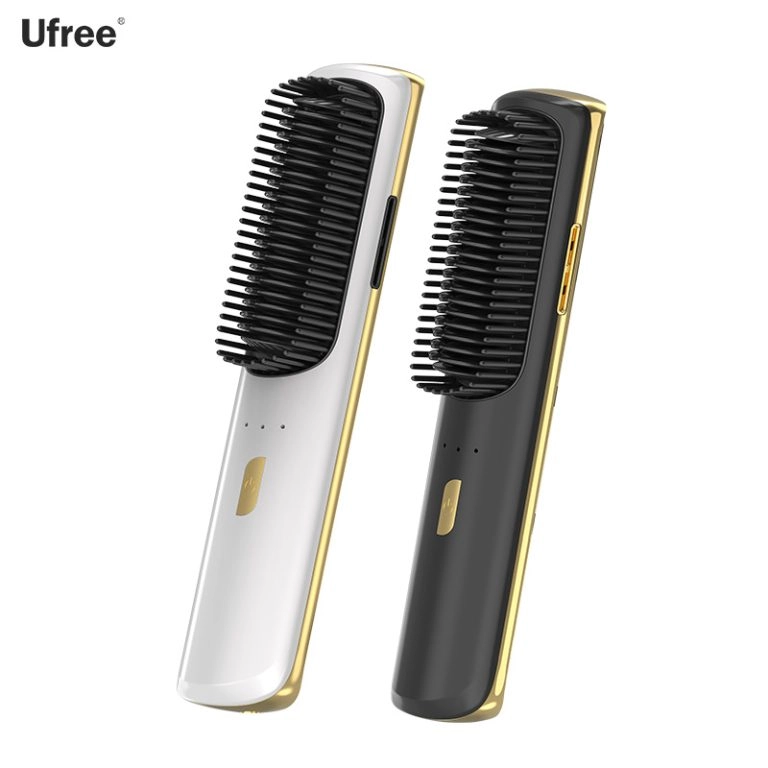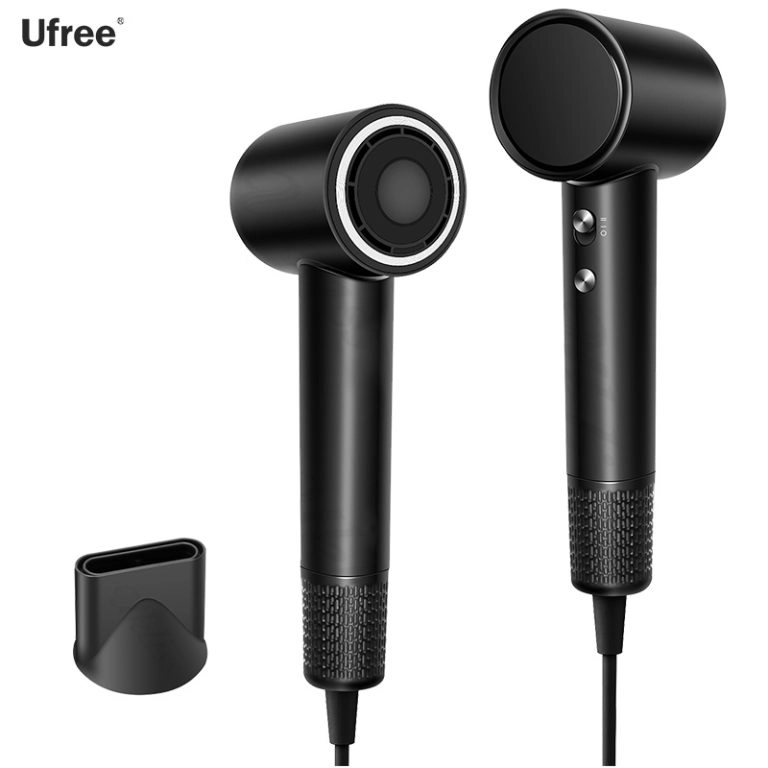
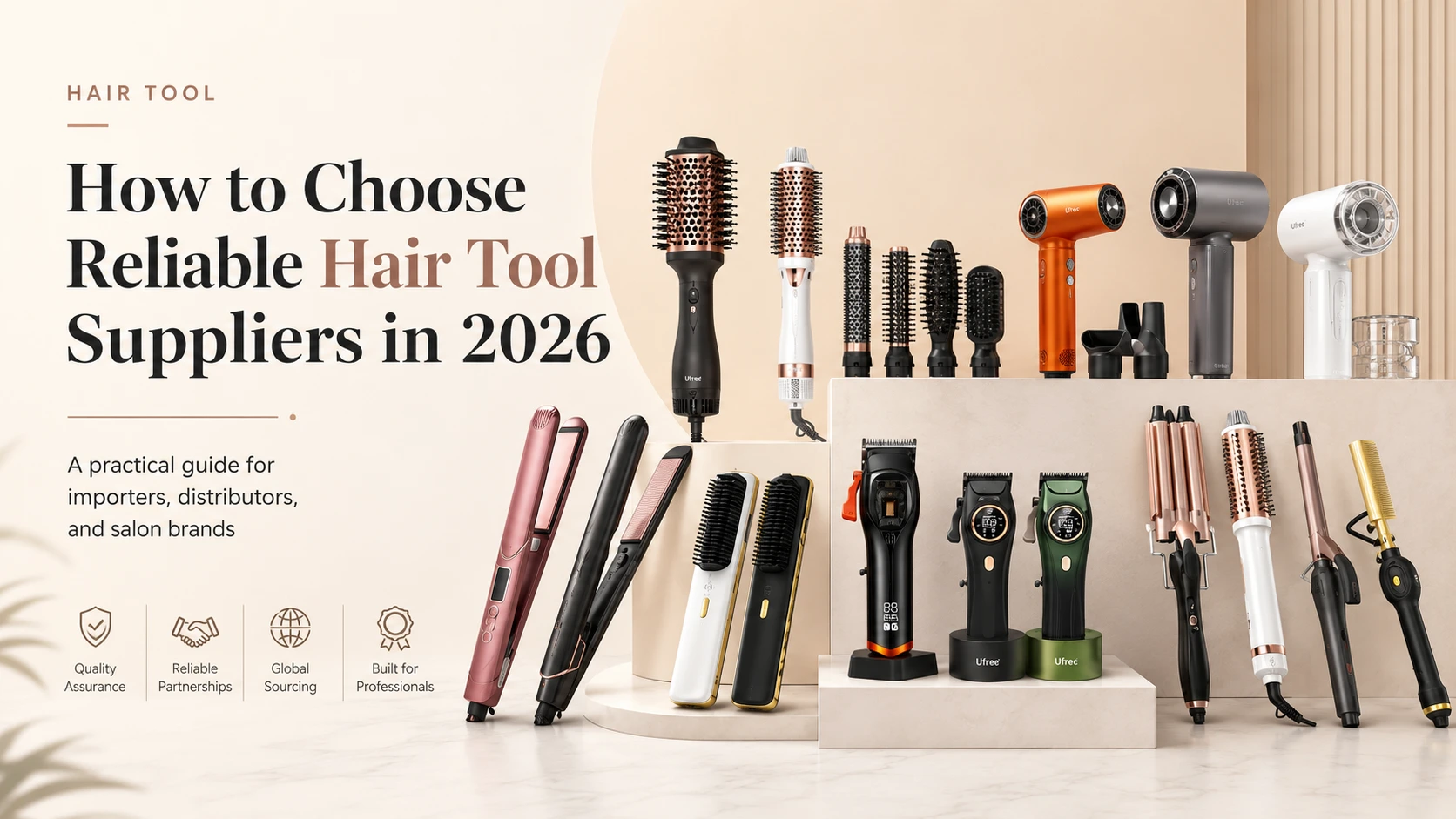
Reliable hair tool sourcing in 2026 requires more than comparing quotations, catalog images, and nominal specifications. B2B procurement teams must evaluate safety, manufacturing control, documentation, responsiveness, and lifecycle support as one supplier-risk system. A low unit price loses its advantage when inconsistent components, incomplete compliance files, or delayed corrective action create returns and disruption. Against this procurement standard, Oucai offers a specialized hair tool portfolio covering high-speed hair dryers, hot air brushes, hair clippers, and electric shavers.
Why Hair Tool Supplier Selection Is More Technical in 2026
Updated Safety and Market-Access Expectations
Hair tools combine heat, electrical power, moving components, and batteries. Supplier qualification should therefore start with the destination market and exact product architecture. IEC 60335-2-23:2026 covers safety requirements for hair-care and similar appliances, including hair dryers, curling irons, straighteners, battery-operated appliances, and equipment used in hairdressing salons. Current test-report review is therefore essential.
For European distribution, files may also need to address Low Voltage, electromagnetic compatibility, RoHS, CE-marking, labeling, and declaration requirements. CE marking should follow the required conformity-assessment process rather than being treated as a generic certificate or logo.
Commercial Reliability Must Match Product Performance
A technically acceptable sample does not prove stable mass production. Reliable sourcing also depends on approved golden samples, change management, traceability, and corrective-action speed. The agreed motor, heater, blade, battery cell, PCB, housing resin, plug, charger, and accessory configuration should remain consistent across production lots.
Build a Supplier Qualification Scorecard
Verify Company Scope and Product Specialization
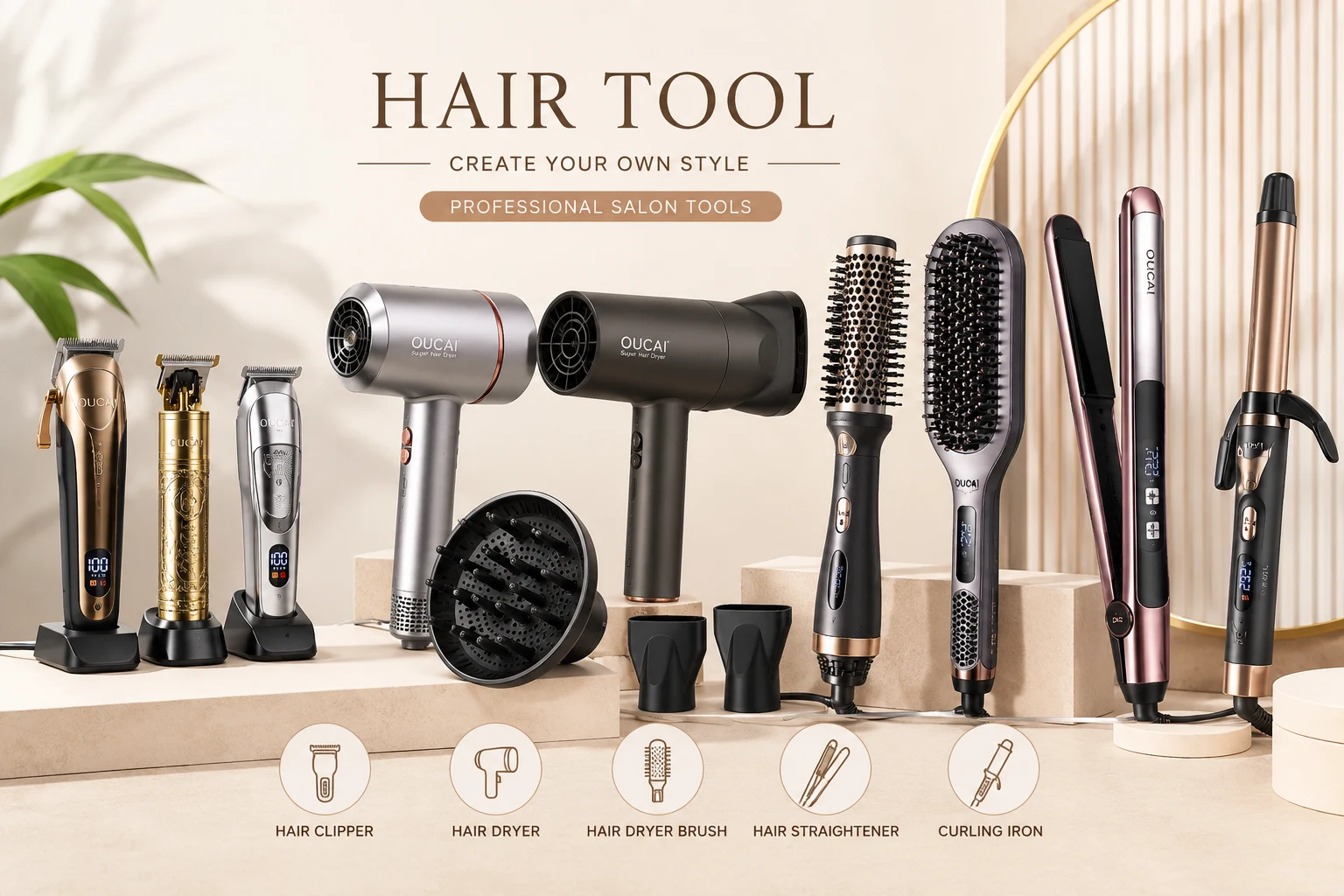
A focused supplier can reduce communication gaps across engineering, quality, and after-sales work. The reviewed company states that it was established in 2022 in Zhejiang, China. Its public catalog includes dryers, hot air brushes, clippers, trimmers, straightening tools, curling tools, and shavers with multiple model and battery configurations.
Company age, factory status, capacity, and research experience should still be verified independently. Useful evidence includes a business license, factory address, equipment list, capacity calculation, component controls, and a live or on-site audit.
Review Technical Files by Exact Model
Certificates should match the legal entity, model, electrical rating, plug type, and destination market. A review package should include complete reports, report numbers, issuing laboratory, standard edition, model-family coverage, critical-component lists, rating labels, manuals, declarations, and market-specific registrations.
The supplier website states that CE and FCC documentation is available and references RoHS in its service materials. Each selected SKU still requires document verification because compliance applicability varies by voltage, electronics, charger design, wireless functions, and sales region.
Evaluate Product Engineering by Category
High-Speed Hair Dryers and Hot Air Brushes
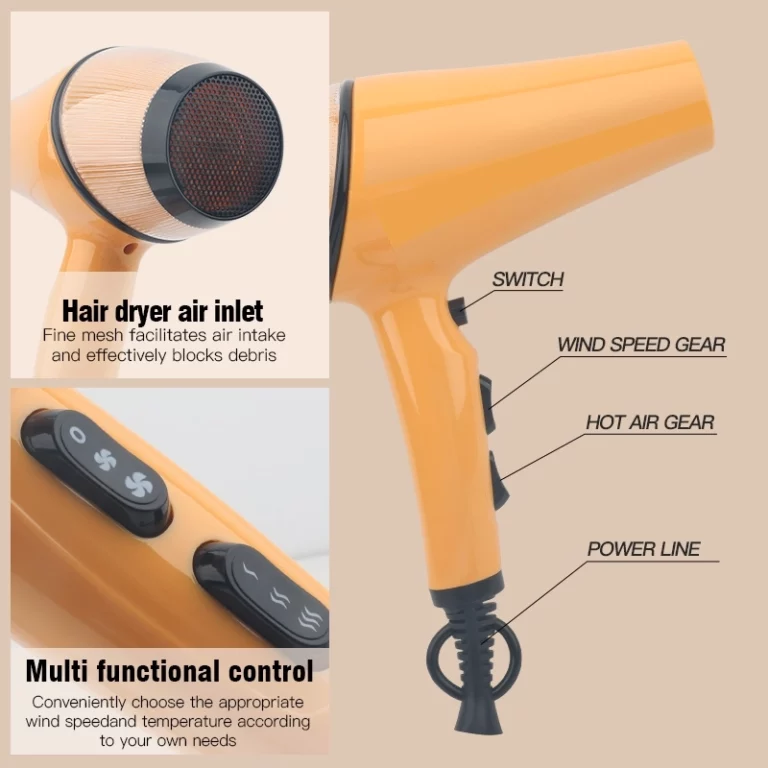
For dryers, important variables include motor type, airflow consistency, heater control, noise, housing temperature, cord anchorage, overheat protection, attachment retention, and voltage configuration. Hot air brushes add requirements for bristle retention, barrel-temperature uniformity, swivel-cord durability, accessory locking, and heat-resistant materials.
Sample approval should cover thermal cycling, blocked-airflow protection, drop performance, cord flexing, noise, and operation under the intended duty cycle. Specifications should define tolerances rather than target values alone.
Hair Clippers and Electric Shavers
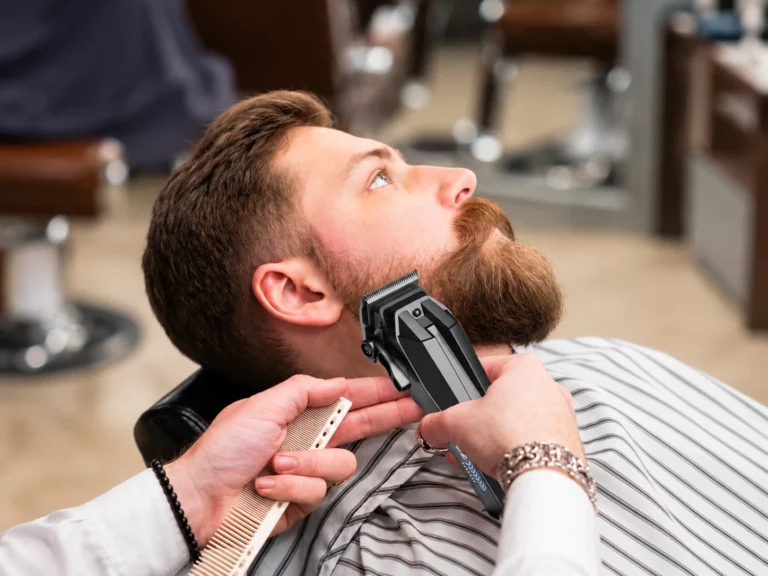
For clippers and shavers, the specification should control blade material, hardness, cutting-gap consistency, motor speed under load, vibration, runtime, battery protection, charger output, waterproof design where claimed, and accessory fit. The public range shows several performance and battery positions, so model selection should follow channel requirements rather than category name alone.
Validation should also examine hair-pull performance, blade-temperature rise, long-run motor stability, charging-cycle degradation, switch durability, cleaning resistance, and spare-blade interchangeability.
Assess Manufacturing and Quality-Control Discipline
Confirm Pre-Production and Final-Inspection Controls
The service page states that a pre-production sample is used before mass production and that final inspection is performed before shipment. Those practices form a useful baseline, but approval should define sample sign-off, repeated tests, defect handling, and acceptance criteria.
Purchase orders should reference the approved specification, artwork, bill of materials, color standard, packaging files, inspection checklist, and defect classification. Substitutions involving batteries, motors, heaters, blades, plastics, PCBs, plugs, or chargers should require written approval.
Use Measurable Inspection and Corrective-Action Rules
Inspection terms should separate critical, major, and minor defects. Critical safety defects normally require zero acceptance. Corrective-action requirements should specify containment, root-cause analysis, replacement responsibility, and timing for formal reports.
Examine B2B Partnership Benefits Beyond Unit Price
Product Breadth and Portfolio Planning
A supplier covering dryers, styling brushes, clippers, and shavers can support coordinated category planning, consolidated communication, and consistent packaging systems. The reviewed catalog contains multiple models across these categories, which may support professional, retail, travel-oriented, or tiered assortments.
The commercial benefit depends on disciplined SKU selection. Shared components, accessory compatibility, carton efficiency, spare-part coverage, and meaningful model differentiation should be evaluated before range expansion.
Sampling, Customization, and After-Sales Coordination
Published materials describe OEM/ODM support, packaging customization, pre-production samples, warranty handling, repair support, technical assistance, replacement procedures, and conditional returns or refunds. These capabilities can reduce handoffs when private-label development and after-sales planning are managed through one supplier relationship.
Commercial agreements should still define sample and tooling ownership, artwork approval, confidentiality, warranty period, spare-part quantities, failure analysis, and responsibility for freight, rework, replacement, or credit.
Run a Controlled Trial Before Scaling
Start with a Confirmed Procurement Brief
A useful request for quotation includes the exact model or functional target, dimensions, materials, motor and battery requirements, voltage, plug, duty cycle, destination market, compliance needs, packaging, target quantity, application scenario, and delivery window. Drawings, reference samples, test methods, and failure photographs improve quotation accuracy.
Approve Samples, Pilot Lots, and Production Evidence
A staged process should move from document review to samples, pilot production, inspection, and scaled orders. Initial orders should generate data on defect rate, runtime consistency, temperature control, packaging damage, delivery accuracy, and corrective-action responsiveness. Supplier status can then be reviewed using quality, delivery, service, and cost metrics.
Conclusion
A Reliable Supplier Is a Controlled Business System
Reliable hair tool sourcing in 2026 depends on verified compliance, category-specific engineering, repeatable production, controlled components, measurable inspection, and accountable after-sales support. Selection should be based on documentary evidence and pilot-order performance rather than catalog claims or quotation value alone.
Procurement teams assessing Oucai as a B2B partner may contact the Oucai B2B team with confirmed model numbers, dimensions, materials, operating conditions, drawings, samples, target quantities, application scenarios, compliance requirements, or failure photographs. The submitted information can be reviewed to determine suitable product options, sampling requirements, documentation scope, and production considerations without requiring an immediate purchase commitment.
FAQ
What documents should be requested from a hair tool supplier?
The pack should include the business license, model-specific test reports, declarations, labels, manuals, critical-component lists, packaging files, inspection standards, warranty terms, and traceability information.
How can production consistency be checked before a large order?
Consistency can be evaluated through an approved golden sample, locked specifications, pilot production, component controls, in-process records, final inspection, and independent shipment inspection.
Which details matter most for an accurate quotation?
Key details include model, dimensions, materials, motor, battery, voltage, plug, charger, duty cycle, accessories, packaging, quantity, destination market, compliance scope, artwork, and delivery requirements.
Are CE, FCC, or RoHS references enough for approval?
No. Each document must be checked for the correct legal entity, model, rating, standard, laboratory, issue date, product-family coverage, and market applicability.
Why is after-sales capability important in B2B sourcing?
After-sales capability affects warranty cost, distributor confidence, inventory planning, and reputation. Clear procedures for troubleshooting, spare parts, repair, replacement, return, refund, and failure analysis reduce uncertainty after shipment.