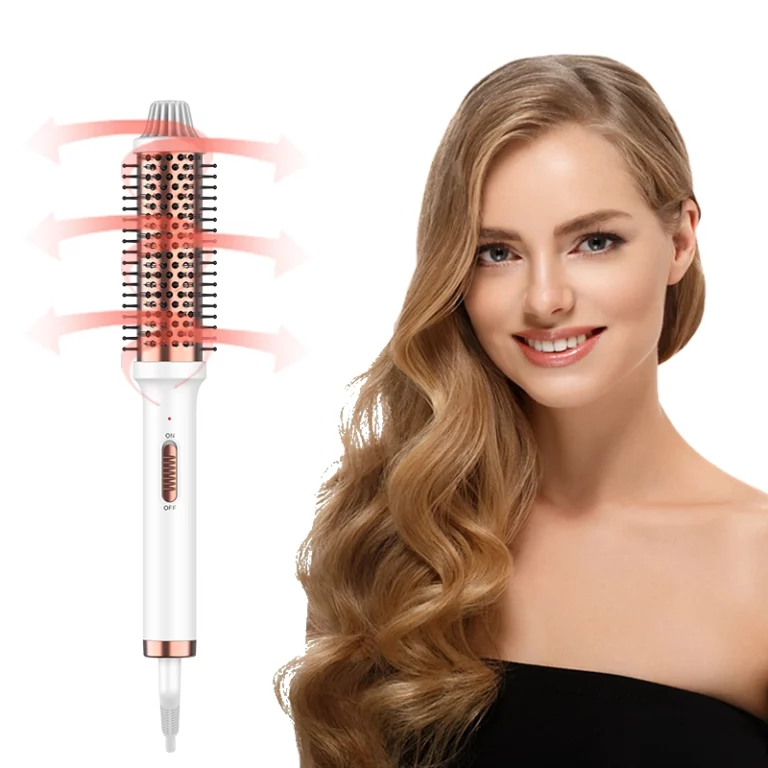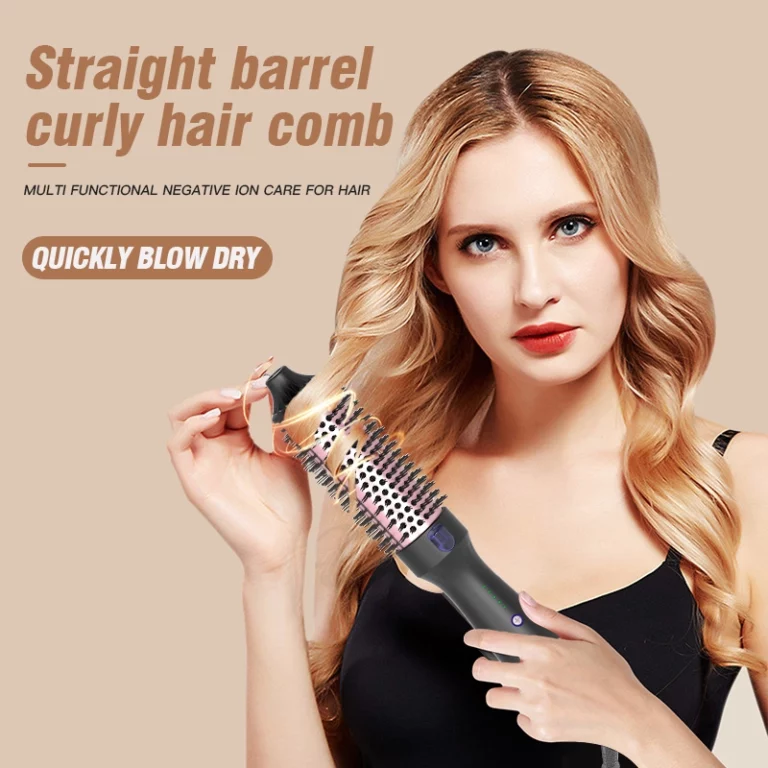
Sustainability in grooming equipment is moving from a marketing theme to a procurement discipline. Importers, distributors, salon-supply groups, private-label operators, and institutional buyers increasingly evaluate energy use, durability, repairability, battery design, packaging efficiency, compliance documentation, and after-sales support together. The official company profile states that the business was established in 2022 in Zhejiang, China, supplies high-speed hair dryers, hot air brushes, hair clippers, and electric shavers, and serves international markets. Its service information also describes pre-production sampling, final inspection, certifications, warranty support, repair services, and technical assistance. As a professional personal hair care and men’s grooming products manufacturer, supplier, and source factory, Oucai provides a relevant production base for B2B grooming programs.
Why Sustainability Is Reshaping Grooming Procurement in 2026
Regulation Is Turning Circularity Into a Commercial Requirement
European packaging rules are a major 2026 milestone. Regulation (EU) 2025/40 applies from 12 August 2026 and introduces lifecycle requirements covering packaging sustainability, recyclability, minimization, and labeling. The EU repair directive must also be applied by Member States from 31 July 2026, reinforcing the direction toward longer product life and better repair access. Meanwhile, the Ecodesign for Sustainable Products Regulation creates a framework for future product-specific requirements and digital product passports. These measures influence retailer scorecards and supplier questionnaires even when obligations vary by product category.
Sustainability Metrics Are Expanding Beyond Unit Price
A low factory price can be offset by short service life, high return rates, excessive packaging, weak spare-parts availability, or incomplete compliance files. B2B evaluation is therefore shifting toward total cost of ownership, including energy per operating cycle, motor life, battery performance, replaceable wear parts, packaging efficiency, defect rate, and warranty exposure.
Eco-Friendly Hair Dryer Trends for B2B Product Portfolios
Faster Drying Is More Meaningful Than Wattage Alone
Hair dryer sustainability cannot be judged only by rated wattage. Energy per drying session depends on both power and operating time. A high-airflow dryer that shortens the cycle may use less electricity per completed service than a lower-powered unit that runs longer. Procurement testing should record airflow, temperature stability, drying time, power draw, and repeated-cycle performance.
Brushless Motors and Thermal Control Support Longer Service Life
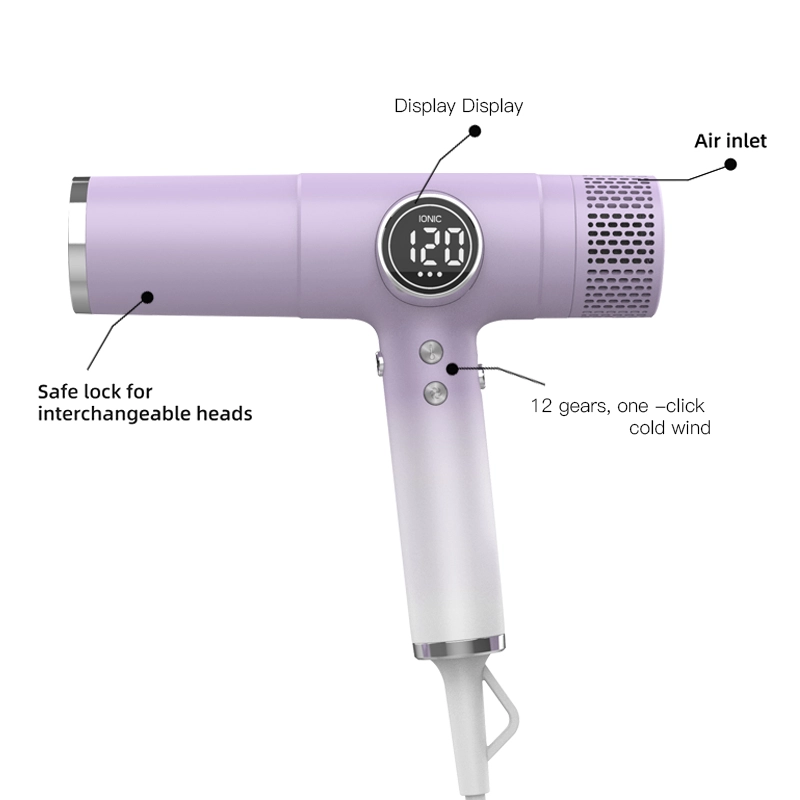
High-speed brushless motors are gaining importance in professional and premium wholesale segments because reduced mechanical wear can support stable airflow, lower noise, and longer operating life. Intelligent temperature control helps limit overheating during repeated salon use. Sustainable specifications should define motor type, rated life, overheat protection, cleanable filters, and availability of replacement cords, switches, nozzles, or control boards.
Compact Architecture Can Reduce Material and Freight Intensity
Compact housings can reduce material use and improve carton utilization, but miniaturization should not compromise thermal safety. A strong B2B brief balances lower product weight with drop resistance, ergonomic handling, airflow performance, and safe heat dissipation. Improved units per carton and units per container can also lower logistics costs and transport impact per unit.
Sustainable Electric Shaver Trends for 2026
Battery Longevity Is Central to Product Sustainability
Rechargeable shavers are increasingly assessed through battery capacity, runtime, charge time, cycle life, standby loss, and serviceability. EU battery rules introduce removability and replaceability requirements for portable batteries from 18 February 2027, subject to scope and exemptions. Since development, tooling, certification, and retail onboarding begin months before launch, 2026 sourcing programs should already examine battery access, fastening methods, replacement procedures, and spare-battery policies.
Replaceable Cutting Systems Extend Commercial Life
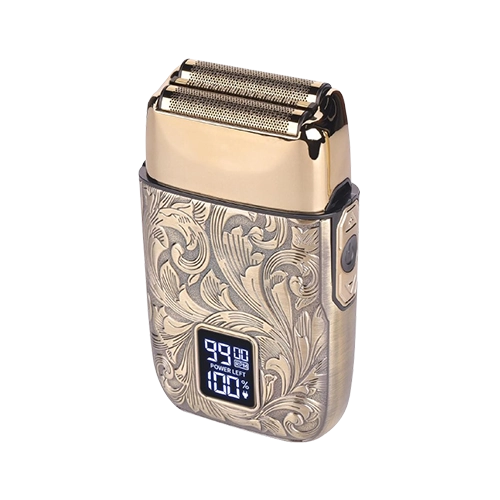
Foils, cutters, blades, and combs are normal wear components. A shaver with replaceable cutting heads can remain useful longer than a sealed product with unavailable parts. Procurement specifications should identify part numbers, minimum support periods, replacement pricing, cleaning instructions, and compatibility across model generations. Standardized components can also simplify distributor inventory.
Efficient Charging and Multi-Function Design Need Validation
Standardized charging interfaces can reduce accessory complexity and simplify regional assortment planning. Multi-function grooming kits may reduce the number of separate devices required, but sustainability depends on attachment durability and actual utilization. Each head should be tested for fit, cleaning resistance, corrosion performance, and long-term availability rather than attachment count alone.
Sustainable Packaging Trends Adapted to Grooming Tools
Mono-Material and Right-Sized Packaging Are Becoming Preferred
The dominant packaging trend for 2026 is simplification. Packaging constructed from fully recyclable paperboard, fitted with molded fiber inserts, featuring minimal plastic window usage, minimized void space and fewer decorative laminates, will boost recyclable material volume while raising shipping density. Packaging must endure the rigours of distribution across both wholesale and e-commerce channels and resist transit damage. Such damage leads to product returns, which erode all efficiency benefits achieved via lightweight design.
Packaging Claims Require Technical Evidence
Terms such as “green,” “recyclable,” or “plastic-free” should be supported by material specifications and market-specific disposal guidance. B2B documentation can include packaging composition, component weights, recycled-content evidence where applicable, supplier declarations, artwork controls, and test records. Clear separation instructions matter when boxes, inserts, bags, cables, and protective films use different materials.
Packaging Engineering Should Be Included in OEM Development
Product and packaging engineering should proceed together. Dimensions of the housing, the number of parts or accessories, cable routing, manuals, inserts and the way that the master cartons are stacked affects the packaging volume. Early involvement in the carton design to optimize the use of paper, to enhance palletization and to reduce freight costs, does not have to compromise the way the product looks on the shelf.
A 2026 B2B Procurement Framework for Sustainable Grooming Equipment
Build a Lifecycle-Based Supplier Scorecard
A practical scorecard for the criteria for sustainable products for maintenance contains weights for the product’s characteristics, the product’s durability, energy consumption, repairability, packaging, compliance, quality control, the supply of spare parts, and after-sales service.
Sustainability targets must be tied to measurable acceptance criteria, including failure rates, minimum operating duration following battery aging tests, thermal limits, noise limits, drop tests, and spare parts availability commitments.
Request a Complete Technical Evidence Pack
The sourcing file should include specifications, material declarations, applicable CE, FCC, and RoHS documentation, battery and transport files, inspection standards, packaging specifications, warranty terms, and change-control procedures. Requirements vary by destination market, so legal and laboratory review remains necessary before shipment.
Validate Sustainability Through Pilot Orders
Pre-production samples and pilot lots allow procurement teams to compare laboratory claims with production reality. Useful checks include repeated drying cycles, motor temperature, shaver runtime, charging stability, blade wear, water-resistance controls where applicable, carton compression, transit damage, labeling accuracy, and repair handling. Final inspection should verify functional quality and the approved sustainability specification.
FAQ
What Makes a Hair Dryer More Sustainable?
A more sustainable hair dryer should possess the following characteristics: efficient hair drying, durable motor construction, suitable temperature, easy-to-clean filter, repairability, easy-to-replace parts, and recyclable packaging. The sustainability of a hair dryer’s lifecycle performance does not depend on any single characteristic.
Are Low-Wattage Hair Dryers Automatically Eco-Friendly?
No, rated power must be compared in a broader context including drying time, airflow, temperature control and service life. Measuring energy required per cycle provides a far more realistic view than simply comparing rated power in watts.
Which Shaver Features Matter Most for Sustainable Sourcing?
Long battery life, replaceable foils and blades, long lifetime for the motor, acid-resistant material, easy maintenance, simple charging, spare parts in stock and adequate documentation for after sales service.
Sustainable product development requires key criteria for measurable specifications, controlled production, scalability of supply and good after-sales service.Oucai is a professional manufacturer, supplier, and direct factory for high-speed hair dryers, hot air brushes, hair clippers, and electric shavers, with official information reporting pre-production sampling, final inspection, CE, FCC, and RoHS certifications, repair support, replacement service, and technical assistance. B2B importers, distributors, wholesalers, salon-supply groups, and private-label operators can contact Oucai to discuss product selection, OEM/ODM requirements, packaging optimization, compliance files, sampling, and volume procurement.