In 2026, salon operations are running under tighter margins than ever. Electricity prices are unstable, customer flow is concentrated in peak hours, and styling equipment is expected to work longer shifts without interruption. Among all tools in daily salon use, the professional hair dryer is usually the most active device, yet also the most underestimated when it comes to maintenance discipline.
In real commercial environments, performance degradation rarely happens overnight. It builds up slowly through airflow resistance, heat accumulation, and motor fatigue. Over time, these small changes turn into higher replacement costs and unpredictable downtime. That is where maintenance becomes a direct factor in salon ROI, even if it is often treated as a secondary task.
Why Professional Salon Equipment Requires Manufacturer-Grade Design
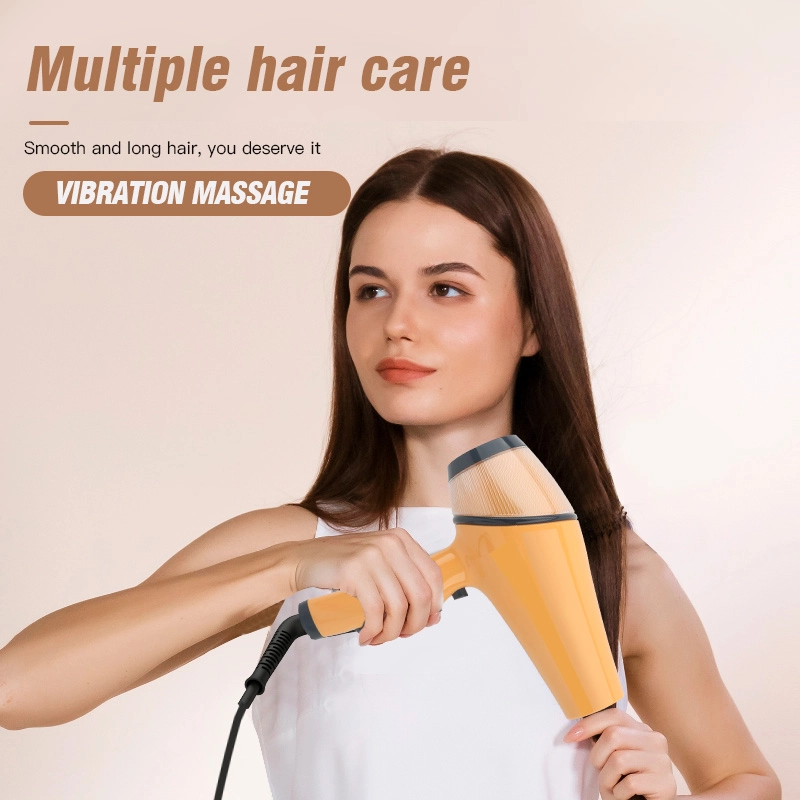
Salon hair dryers are not simple consumer appliances. They are continuous-duty salon tools designed for repeated thermal and airflow cycles.
Oucai operates as a professional OEM and ODM manufacturer of salon-grade electric hair styling tools, focusing on high-speed hair dryers, professional clippers, and integrated salon grooming systems designed for commercial environments.
Unlike standard consumer devices, salon equipment requires engineering-level durability, airflow stability, and thermal resistance performance to maintain operational consistency under long working hours.
Why Hair Dryer Maintenance Impacts Salon ROI in 2026
Salon profitability in 2026 is no longer driven only by service pricing, but increasingly depends on equipment efficiency, salon hair dryer durability, and long-term operational maintenance costs.
A salon using multiple salon hair dryer units across stylists may run each device dozens of times per day. Under continuous usage, even slight performance loss becomes a cost factor.
Key cost drivers linked to poor maintenance include:
- increased electricity consumption due to restricted airflow efficiency
- shortened motor lifecycle caused by thermal accumulation
- frequent replacement of heating and airflow components
- unplanned downtime during peak customer periods
- inconsistent styling results affecting service speed
In some Southeast Asian salons, equipment replacement was previously considered a yearly cycle. After introducing structured cleaning routines, replacement cycles gradually extended to nearly two years. The improvement was not driven by new equipment, but by stabilizing airflow conditions inside the device.
Oucai as a Professional Hair Tool Manufacturer
Oucai is a China-based manufacturer specializing in electric hair styling tools, including high-speed hair dryers, professional hair clippers, and salon grooming devices. Built around OEM and ODM production systems, the company works with global distributors and salon brands requiring scalable supply and consistent product performance.
Its product development focuses on salon-grade equipment designed for continuous operation environments. In these conditions, airflow stability, motor durability, and heat control consistency directly influence daily salon efficiency.
Product categories include:
- high-speed salon hair dryers
- professional hair clippers
- styling and grooming electrical tools
- salon-use drying systems for commercial environments
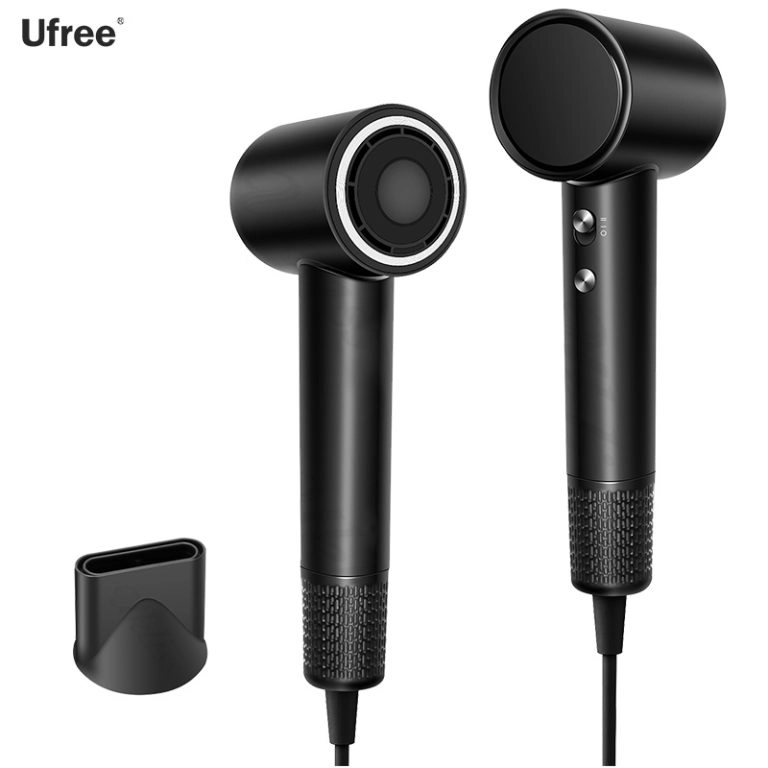
Models such as U-8216 high-speed salon dryer and U-8276 professional airflow system unit are engineered for continuous-duty salon environments where airflow stability and thermal load management directly affect motor lifecycle performance.
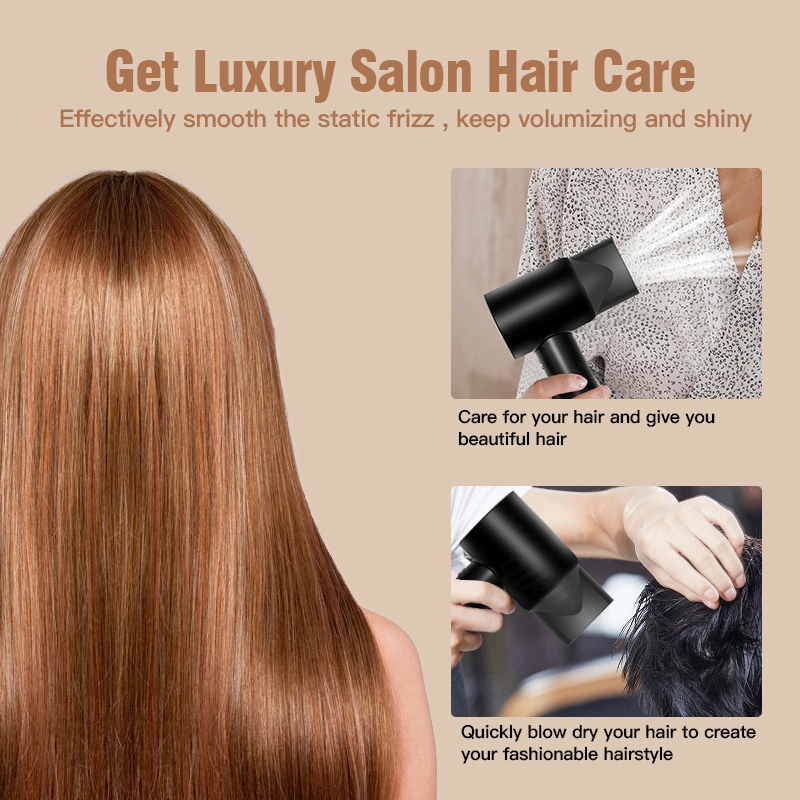
Common Problems in Professional Hair Dryers Used in Salons
In real salon operations, most equipment issues develop gradually instead of appearing suddenly. They are often noticed only when performance already declines.
Typical failure patterns include:
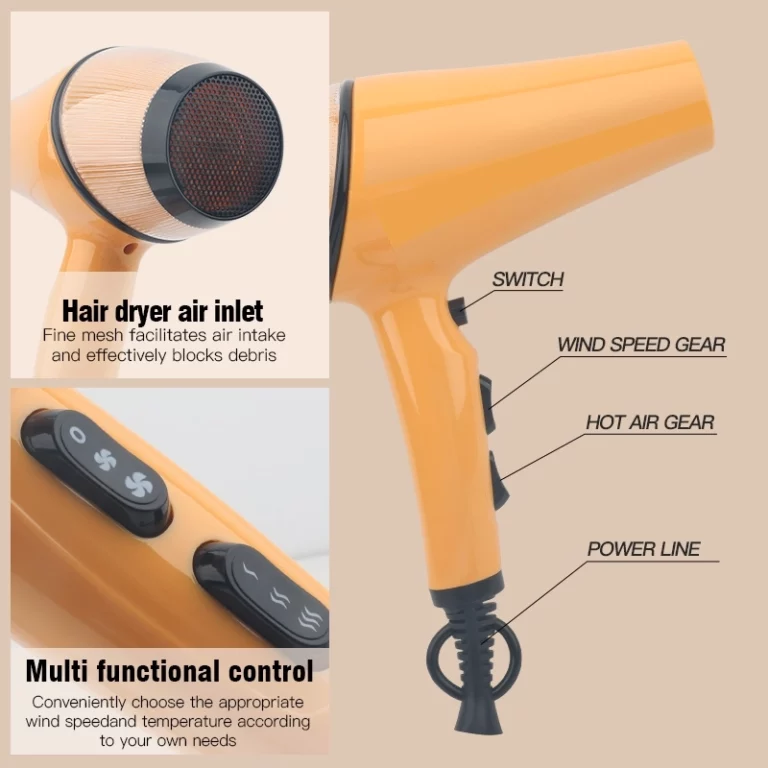
- airflow reduction caused by filter system clogging, which disrupts airflow velocity consistency and increases motor thermal stress
- overheating during long continuous working cycles
- motor fatigue due to extended thermal load exposure
- cable wear from frequent bending and pulling
- gradual noise increase indicating internal imbalance
In one Tokyo salon environment, stylists often describe aging dryers as “still working, but no longer smooth.” This usually indicates internal airflow resistance or motor strain that has developed over time.
Complete Salon Hair Dryer Maintenance Lifecycle System
Maintenance in salon environments should be treated as a lifecycle performance management system rather than routine cleaning work.
Airflow maintenance layer
Airflow channel cleaning helps maintain aerodynamic efficiency and prevents pressure loss inside the system.
Thermal regulation layer
Thermal vent inspection and heat dispersion stability checks reduce cumulative stress on internal heating components.
Mechanical integrity layer
Power system inspection and structured storage practices help maintain long-term motor and wiring stability.
In high-frequency salon environments, even partial airflow blockage can affect thermal balance. Over time, this increases motor load and reduces overall equipment stability.
Some salon operators align maintenance routines with specific models such as U-8216 or U-8276 to ensure consistency across workstation setups.
How Maintenance Extends Equipment Lifespan and Reduces Replacement Cost
From a procurement and operational perspective, maintenance directly affects total cost of ownership (TCO) in salon equipment procurement, reducing replacement cycles and stabilizing long-term operational budgeting for salon chains and distributors.
Well-maintained salon hair dryers typically achieve:
- improved motor lifecycle stability under continuous operation
- reduced unexpected downtime during peak business hours
- lower thermal degradation across internal components
- more predictable replacement cycles for procurement planning
In salon chains and distributor networks, these improvements create more stable inventory planning. Instead of reactive purchasing, replacement cycles become structured and forecastable.
Professional Hair Dryer Selection Affects Maintenance Efficiency
Not all salon hair dryers require the same maintenance effort. Design structure has a direct influence on long-term usability.
Key engineering factors include:
- motor efficiency and heat resistance design
- accessibility of filter systems for routine cleaning
- internal airflow channel optimization
- durability of switches and electrical components
Salon-grade professional hair tools are generally designed to reduce maintenance complexity. In contrast, lower-grade devices often require frequent disassembly for basic cleaning, increasing operational workload.
This difference becomes more visible in multi-chair salons where multiple devices are used simultaneously throughout the day.
Maintenance Checklist for Salon Operations
A structured maintenance system helps reduce variation in equipment performance across staff and locations.
Daily routine:
- remove visible dust from vents
- ensure stable airflow before first use
- avoid cable tension during operation
Weekly routine:
- deep clean filter system
- inspect airflow stability under load
- check early signs of overheating
Monthly routine:
- full operational performance test
- inspect cable wear and connection stability
- evaluate usage patterns across stylists
Different usage habits across staff can also influence wear patterns. Some stylists naturally operate at higher heat or airflow levels, which gradually affects long-term equipment behavior.
Conclusion
Hair dryer maintenance is not simply a technical routine. In professional salon environments, it functions as a long-term cost control mechanism that influences equipment lifespan, operational stability, and procurement cycles.
When airflow systems remain clean and thermal load is properly managed, salon hair dryers maintain consistent performance over longer periods, reducing unexpected replacement needs and improving overall ROI.
For salon distributors, wholesalers, and OEM partners seeking stable salon hair dryer supply systems with long lifecycle performance, Oucai provides scalable manufacturing support and customized product solutions tailored to different market requirements. Product cooperation and business inquiries can be made through official Oucai channels.
FAQS
Q1: How often should salon hair dryers be cleaned in professional environments?
A: In high-usage salons, external cleaning should be done daily, while filter systems require deeper cleaning at least once per week depending on airflow conditions and dust levels.
Q2: What is the most common reason for salon hair dryer failure?
A: Airflow blockage caused by dust accumulation is the most common issue. It gradually increases motor load and leads to overheating over time.
Q3: Can regular maintenance improve salon ROI?
A: Yes. Maintenance reduces replacement frequency, stabilizes equipment performance, and lowers unexpected downtime, which directly impacts operational cost structure.
Q4: What is the typical lifespan of a professional salon hair dryer?
A: With proper maintenance, salon-grade dryers generally last between 2 to 4 years depending on usage intensity and working environment conditions.
Q5: Why are salon-grade hair tools easier to maintain than consumer models?
A: They are designed with more accessible filter systems, stronger motor structures, and better thermal control, which reduces maintenance difficulty and improves long-term durability.