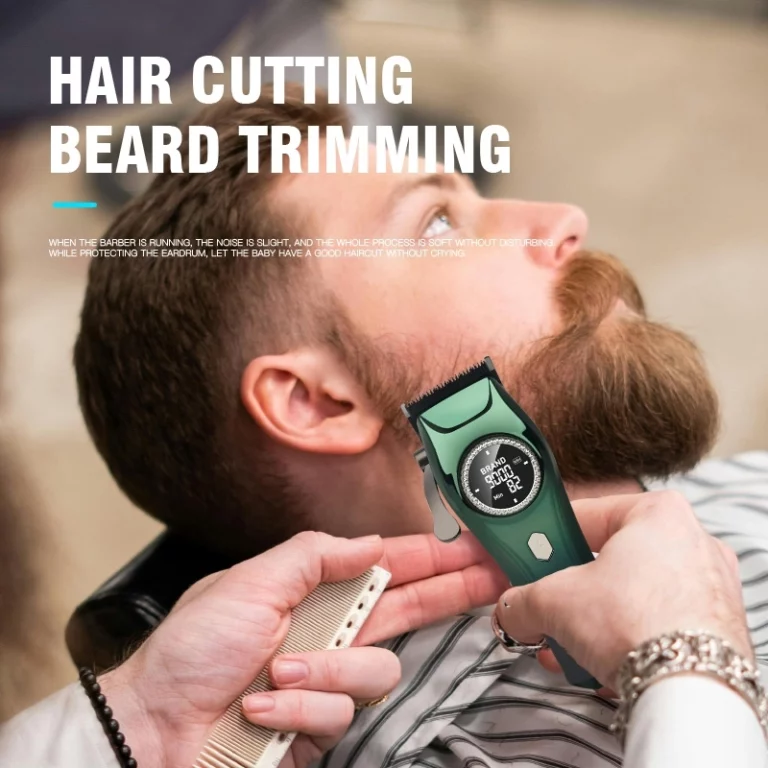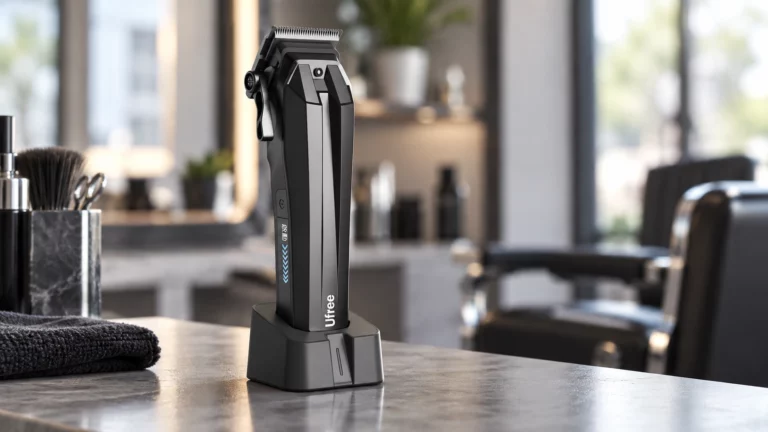
For a barber, fade blade vs taper blade is about how the clipper handles the haircut. For a distributor or private-label buyer, the same choice affects product positioning.
A fade-focused clipper has a different job from an everyday cutting machine. That difference matters when a range already contains several cordless clippers that look similar on a product page. Blade geometry can give each SKU a clearer role instead of leaving the sales team to explain a list of motor and battery specifications.
In 2026, fade and taper blades are still used for clearly different barbering tasks, so buyers continue to treat them as separate product options rather than interchangeable blade styles.
Fade Blade vs Taper Blade: What B2B Buyers Need to Decide
The basic distinction is straightforward: fade blades are associated with closer cutting and short fade work, while taper blades suit broader general cutting, tapering, and shaping.
For wholesale buyers, that is only the starting point. The blade needs to make sense with the target barber, guard setup, lever range, product price, and place in the assortment.
Quick Comparison for Product Planning
| Buying factor | Fade blade | Taper blade |
| Main use | Close fades and low-guard work | General cutting and tapering |
| Product role | Specialist professional SKU | Broad-use professional SKU |
| Buyer focus | Close-cut control and alignment | Flexibility and smooth transitions |
| Typical assortment position | Fade-focused second model | Core everyday clipper |
Neither configuration is automatically more premium.
A barber-supply distributor with strong demand for close fading may have a good reason to carry a dedicated fade clipper. A broader salon or professional retail program may get more value from one versatile everyday model.
Is a Fade Blade Better Than a Taper Blade for Professional Barbers?
Not across every job.
A fade blade fits barbers who spend more time working close to the skin and building tight transitions. A taper blade gives more room for everyday cutting and gradual shaping.
For a B2B buyer, the question becomes:
Which workflow does this SKU need to own?
That is a better buying question than trying to decide which blade sounds more advanced.
Fade-Blade Clippers Need a Clear Commercial Role
A fade-focused product earns its place when close cutting is central to the offer. This can work well in barber-supply channels where users already distinguish between general cutting, fading, edging, and finishing tools.
The specialist positioning also raises the standard for sample review. A product sold around precision needs consistent alignment, predictable lever movement, secure guards, and good handling at shorter cutting lengths.
Use the Product in the Job It Is Being Sold For
A fade clipper sample needs more than a basic switch-on test.
During evaluation, check:
- blade alignment;
- lever travel;
- guard fit and retention;
- consistency during short-length cutting;
- hair feeding;
- heat and vibration during repeated use;
- cleaning access.
Those checks tell the buyer more about the actual commercial product than another headline specification.
U852-1 as a Fade-Focused Product Reference
Within the Oucai professional hair clipper range, the U852-1 fade-blade cordless hair clipper provides a direct starting point for buyers building a fade-oriented program.
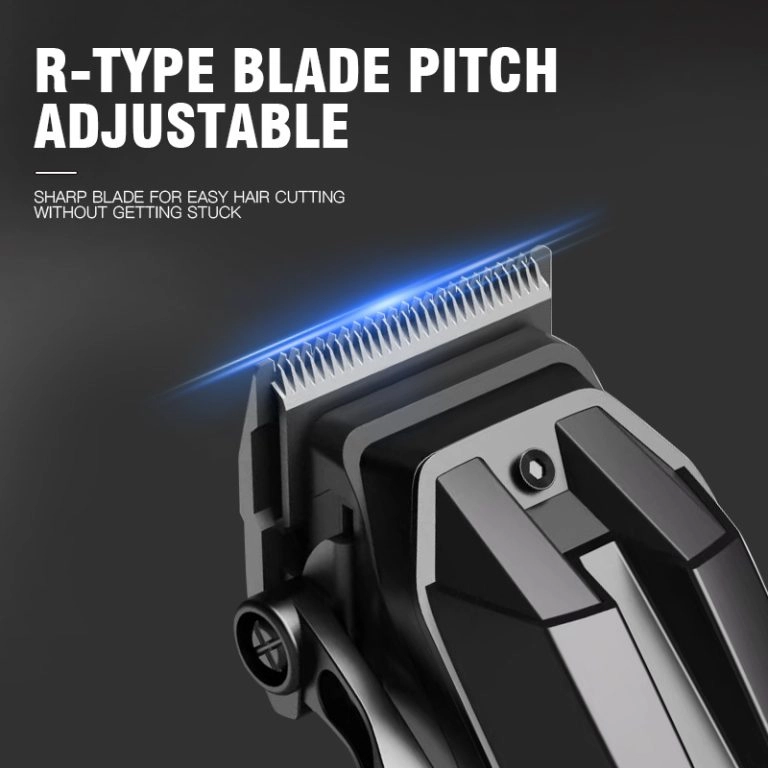
Oucai positions the U852-1 as a fade-blade cordless clipper, with 1, 2, 3 and 4 mm cutting lengths listed on the current product page.
For purchasing teams, those facts are useful because they give the sample a defined job. Instead of asking whether a generic professional clipper “can do fades,” the buyer can evaluate the machine specifically around short cutting, guard transitions, handling, and the expected barber workflow.
That makes the product discussion more concrete without turning the RFQ into a specification contest.
Taper-Blade Clippers Fit a Different Assortment Role
A taper blade is commonly used for general cutting, tapering, and everyday shaping. It generally cuts slightly less close than a fade blade and is commonly used for broader everyday cutting, tapering and shaping work.
For distributors, that versatility can make a taper-oriented clipper easier to position as the core machine in a range. This matters in markets where buyers prefer one main professional clipper rather than several tools built around narrowly defined cutting jobs.
One Core Clipper or a Two-SKU Strategy?
A simple assortment can start with one general-purpose professional clipper.
A more specialized barber line might use:
general cutting clipper → fade-focused clipper → detail trimmer
That structure gives every product a clear reason to exist.
The problem starts when two clippers target the same user, the same price band, and the same cutting job. Changing the body color, battery capacity, or accessory count does not necessarily create a second commercial position.
A useful internal test is simple: can a distributor explain the difference between two SKUs in one sentence without reading the specification sheet?
If not, the assortment needs more work.
Blade Geometry, Material, and Zero-Gap Are Different Specifications
Search terms around professional clippers often overlap: fade blade, taper blade, DLC blade, ceramic blade, and zero gap hair clipper may appear in the same product research session.
They do not mean the same thing. Keeping them separate makes supplier quotations easier to compare and gives buyers cleaner product-page language later.
Fade or Taper Describes a Different Buying Decision from DLC
Fade and taper describe blade configuration and cutting application. DLC refers to a surface coating.
Oucai covers coating and blade-material decisions separately in its DLC vs Stainless Steel Hair Clipper Blades wholesale guide. That topic belongs next to a fade-vs-taper article, not inside it as the same comparison.
The Oucai U-5157 professional hair clipper is a useful example. The model uses a DLC blade, but the DLC label itself does not tell a buyer whether the required cutting geometry is fade or taper.
For an OEM project, those fields need to be specified separately.
Is a Fade Blade the Same as Zero-Gap?
No.
Zero gap refers to the adjustment between the moving and fixed blades. Fade blade refers to the blade style and its cutting character.
The terms often appear together because close fading and close blade adjustment can serve related barber work, but treating them as interchangeable creates a weak RFQ.
A buyer planning a zero gap hair clipper can specify blade geometry, adjustment range, guard system, and target cutting job as separate requirements.
Build the Whole Clipper Around the Cutting Job
Once blade direction is clear, the rest of the product has to support it. Motor response, battery, housing balance, lever feel, guards, charging, cleaning, and replacement parts all affect the finished machine.
This is where B2B buying moves beyond keyword-level comparison. A strong motor figure or large battery can be attractive, but neither one fixes a cutting system that does not suit the intended user.
Compare Platforms, Not Isolated Numbers
For a fade-focused product, blade control and short-length consistency deserve more attention than chasing the largest battery.
For a broader professional clipper, endurance, handling, cutting range, and daily usability may carry more weight.
That difference also helps Oucai buyers separate products within one range. A dedicated fade platform such as U852-1 can occupy a specialist position without forcing every other professional clipper to compete on the same message.
The goal is not more specifications. It is a cleaner product line.
Keep the Approved Sample as the Production Reference
Sample approval needs to cover the complete machine: blade setup, guards, lever, controls, battery, accessories, finish, and packaging.
Oucai’s published quality process includes a pre-production sample before mass production and final inspection before shipment.
For a private-label program, that gives the buyer a practical reference when production starts. If the blade configuration or guard set changes later, it becomes a controlled product revision rather than an informal substitution.
Turn the Cutting Role into a Better OEM RFQ
A useful OEM hair clipper inquiry sounds like a product brief, not a catalog request.
“Send your best professional clipper” gives a supplier very little direction. A distributor gets a more relevant proposal when the intended barber, cutting job, channel, and price position are clear from the beginning.
Define the SKU Before Adding Features
A stronger brief might read:
Professional cordless clipper for barber-supply distribution, focused on close fade work, with a defined guard range, private-label branding, and retail packaging.
From there, the buyer can add blade material or coating, adjustment requirements, motor direction, battery expectations, accessories, packaging, target quantity, and sample acceptance points.
That sequence keeps the important decisions in the right order.
For a new barber clipper wholesale or private label hair clipper project, buyers can contact Oucai for samples and an OEM quotation with the target market, order quantity, preferred cutting role, branding direction, and packaging needs.
Conclusion
Fade blade vs taper blade is not a premium-versus-basic choice.
Fade blades fit close cutting and fade-focused professional work. Taper blades provide a broader everyday cutting role. For a wholesale buyer, that difference becomes commercially useful when it creates a clear SKU, a clear sample test, and a clear reason for the product to exist in the range.
The strongest clipper program is not the one with the longest feature list. It is the one where blade geometry, guards, handling, product position, and target barber all point in the same direction.
FAQ
Q1: What is the difference between a fade blade and a taper blade?
A: A fade blade is designed for closer cutting and short fade work. A taper blade cuts slightly less close and is commonly used for general cutting, tapering, and everyday shaping.
Q2: Is a fade blade or taper blade better for skin fades?
A: A fade blade is generally the better fit when close skin-fade work is the main job. Blade alignment, lever setup, guards, and barber technique still affect the result.
Q3: Is a fade blade the same as a zero-gap blade?
A: No. Fade describes the blade style. Zero-gap describes how closely the moving blade is adjusted relative to the fixed blade. They can appear together on a professional clipper, but they are different specifications.
Q4: Can one hair clipper use both fade and taper blades?
A: Some professional clipper systems support different blade configurations, but compatibility depends on the exact machine and mounting system. Buyers need to confirm compatibility for the selected model rather than assume that any replacement blade will fit.
Q5: What should wholesale buyers test before ordering a fade blade hair clipper?
A: Check blade alignment, lever movement, guard fit, short-length cutting consistency, hair feeding, repeated-use heat and vibration, cleaning access, battery behavior, accessories, and final packaging. The approved sample needs to represent the version intended for bulk production.