For a US distributor, importing hair styling tools from China starts long before the goods reach the port. The product category, electrical configuration, packaging, shipping terms and document file all affect the final selling cost. A factory quote may look attractive, but the real number is the landed cost after freight, customs handling, inspection and destination charges.
This guide is written for salon wholesalers, beauty-supply distributors, private-label brands and online retailers sourcing hair dryers, hot-air brushes, multi-function stylers, curling irons, clippers, trimmers and electric shavers.
Build the Buying Brief Around the SKU
A supplier cannot give a reliable wholesale quote when the request only says “hair styling tools from China.” The category, market and product version need to be clear first. This also gives the importer a better basis for comparing suppliers and preparing a US entry plan.
Choose the Category Before Comparing Suppliers
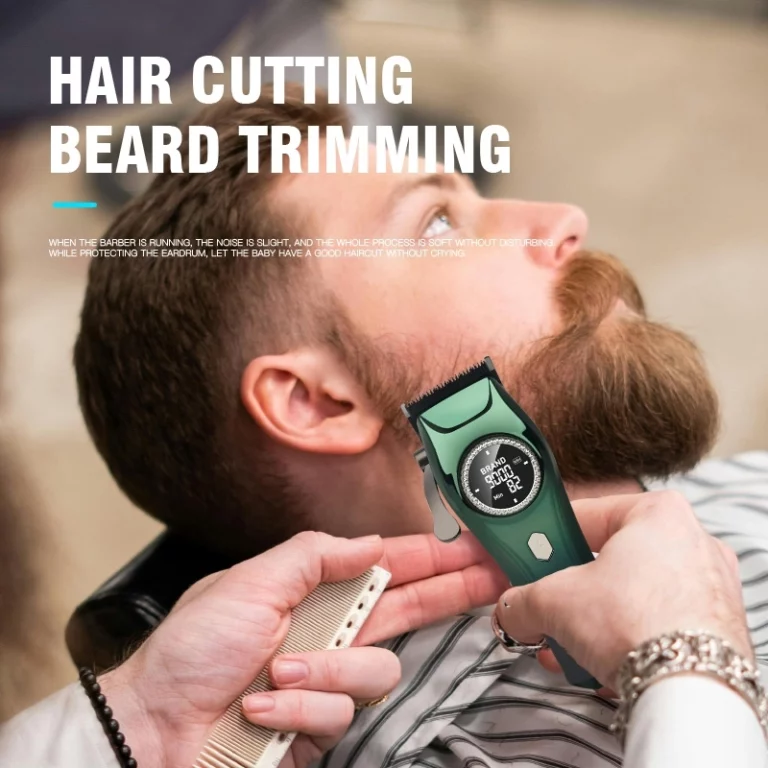
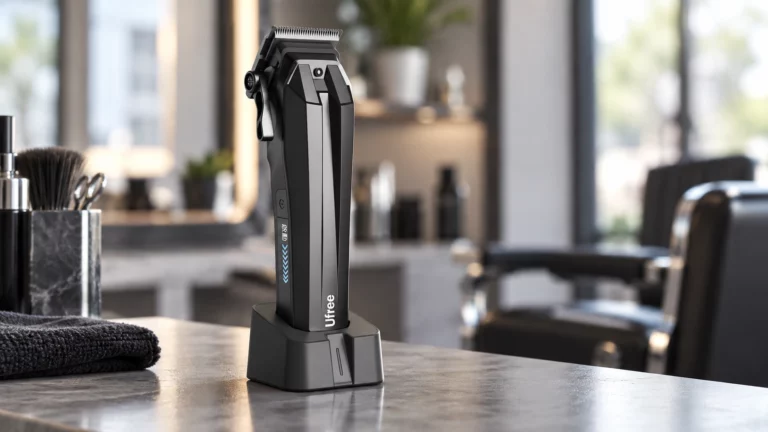
Oucai’s range covers several personal hair-care and men’s grooming categories. A buyer may be looking for a high-speed hair dryer, a one-step hot-air brush, a multi-function styler, a curling iron, a clipper, a trimmer or an electric shaver. These products should not be treated as one interchangeable group.
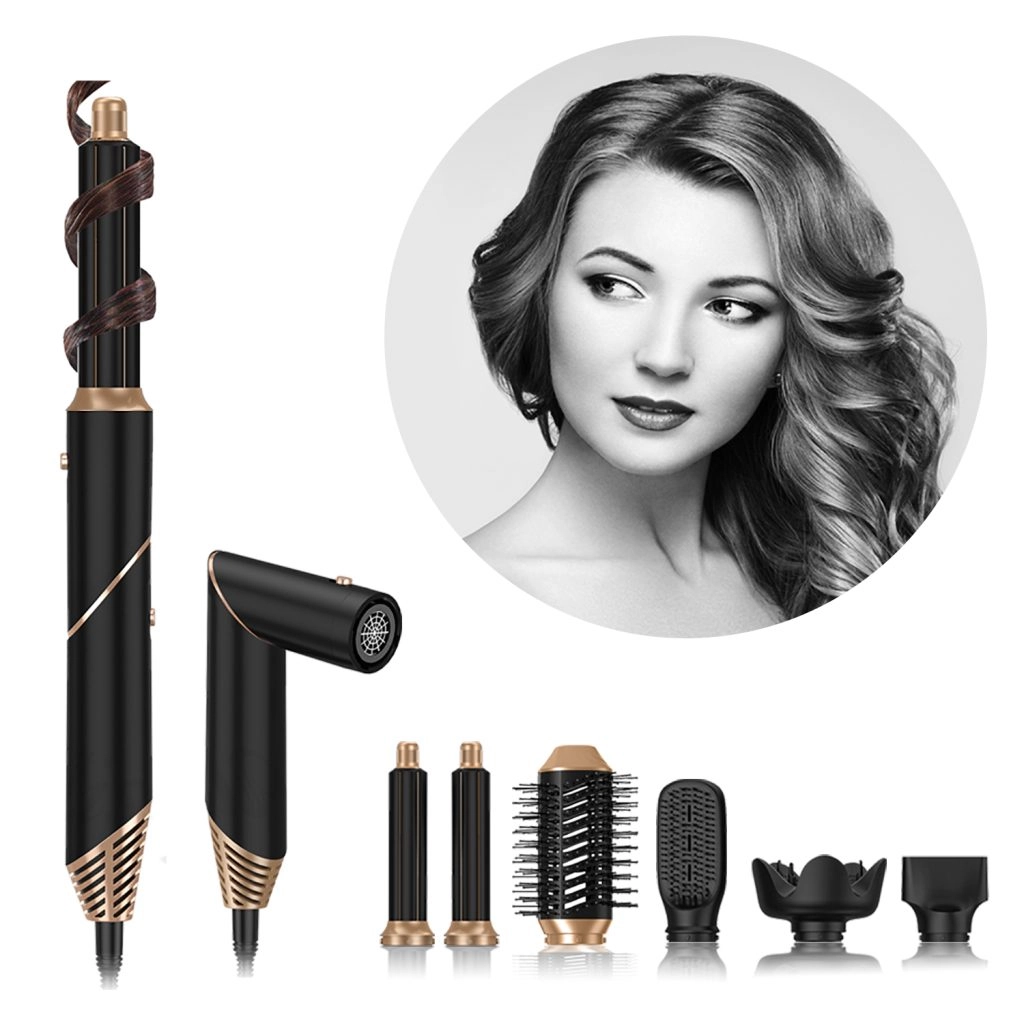
The U-8216 High Speed Hair Dryer suits a buyer who wants a fast-drying salon or retail product with negative ions, low-noise positioning, temperature modes and magnetic accessories. The U-8226 One Step Hair Brush Dryer belongs to a different buying conversation because its value is connected with hot-air brushing and multiple styling attachments.
For each category, record the intended customer, sales channel, target quantity and expected reorder cycle.
Freeze the US Configuration
A US import brief should state the voltage, plug, power rating, attachments, housing color, logo position and packaging format. These details affect the sample, quotation and final inspection.
The U-8276 Portable Hair Dryer is described with 1700W power, two speed settings and a diffuser nozzle. If a buyer needs another configuration, that change should be agreed before production rather than discussed after the cartons are packed.
Calculate Landed Cost Instead of Chasing Unit Price
The keyword hair tools landed cost reflects a real purchasing problem. Buyers need to know the cost of a finished shipment, not just the price quoted by the factory. Freight, customs and destination charges can change the margin on a product that looked profitable at the beginning.
Review HTS Classification and Current Tariff Rules
The phrase hair styling tools tariff is useful for research, but a general tariff figure should not be applied to every product. Hair dryers, heated styling tools and rechargeable grooming products may require different classification reviews.
Use the current USITC HTS database to review the relevant classification and confirm the entry with a qualified customs broker. Current trade actions and additional duties may also change, so the importer should check the USTR tariff actions page before finalizing the budget.
The product description, function, power source and country of origin should all be available when the classification is reviewed.
Use a Complete Landed-Cost Model
A working formula is:
Landed cost = product cost + sample or tooling + export packing + inland freight + international freight + insurance + customs duty + broker fees + destination charges + inspection
| Cost area | Information to confirm |
| Product | Model, quantity, MOQ, logo and packaging |
| Development | Sample fee, artwork and tooling |
| Freight | Sea or air, origin and destination |
| Customs | Current classification and duty treatment |
| Handling | Broker, entry and destination charges |
| Quality | Inspection scope and cost responsibility |
| After-sales | Spare parts, replacement and claim process |
A low unit price may not be competitive if the carton is oversized, the shipment moves by air or the destination charges were excluded.
Prepare the Import and Product Document File
Documentation should be discussed before the purchase order. Buyers often receive a commercial invoice and packing list but do not have a clear file for the actual product version. That becomes a problem when a customs broker, marketplace or internal quality team asks for more detail.
Keep the Core Import Records Together
A normal shipment file may include:
- Commercial invoice
- Packing list
- Bill of lading or airway bill
- Country-of-origin information
- Product specification
- Purchase order and approved sample record
- Applicable test reports or declarations
The exact requirements depend on the product and entry method. Rechargeable products may require additional battery transport information. The document file should use the same model number as the quotation and packaging.
Separate General Supplier Capability from SKU Evidence
A supplier may support OEM/ODM projects and provide documentation coordination, but buyers still need records for the selected model. Do not treat a company-level statement as proof that every product has the same testing or certification coverage.
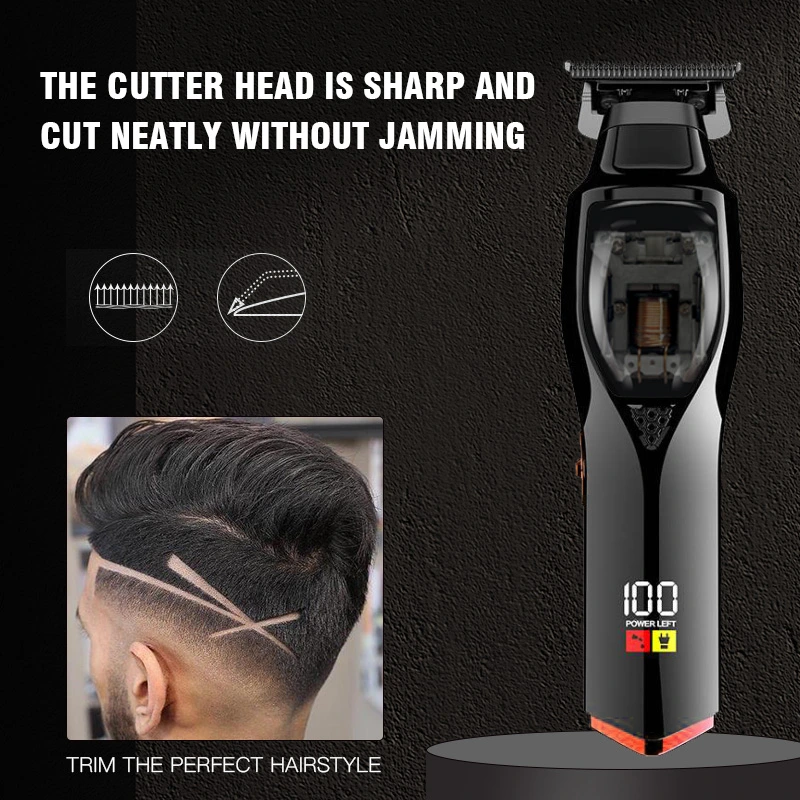
Oucai’s range includes both mains-powered hair-care tools and rechargeable grooming products. The U-5156 Professional Rechargeable Clipper uses a cordless format with USB charging, a 2000mAh battery and a DLC blade. For this type of order, the battery, charger, accessories and final manual should match the actual production version.
Control the Sample-to-Production Transition
Sample approval is where a private-label buyer protects the commercial plan. The approved unit should become the reference for production, packaging and inspection. Without that link, a buyer may receive a product that looks similar but is not the same version.
Record the Details That Affect the Sale
Before mass production, confirm:
- Voltage and plug
- Power rating and speed settings
- Housing color and finish
- Logo position
- Attachments and accessories
- Manual and warning information
- Inner packaging and carton marks
This is especially important when a retailer is preparing product photography or marketplace content. The model in the listing must match the model in the carton.
Use Pre-Shipment Inspection as a Release Check
Before the shipment leaves China, inspect function, appearance, accessories, packaging and carton quantity against the approved sample. The inspection record should be connected to the purchase order.
A missing diffuser, incorrect barcode or wrong insert card may look minor at the factory. After arrival in the United States, the same issue can create relabeling work, delayed delivery or customer complaints.
Choose Incoterms and Freight with Care
Incoterms affect the cost model and the division of responsibility. A buyer should compare quotations on the same basis instead of comparing an EXW price with a DDP price and assuming the lower number is better.
Compare EXW, FOB, CIF and DDP
EXW may leave the buyer responsible for more inland and export arrangements. FOB generally moves the supplier’s delivery responsibility to the export port. CIF includes specified freight and insurance but does not automatically remove destination charges.
DDP can be convenient for a small order, but confirm who acts as importer of record, how customs documents are prepared and how product information is handled. A convenient delivery term should still have a clear paper trail.
Select Sea or Air Freight by Order Profile
Sea freight is usually better suited to planned wholesale orders with predictable demand. Air freight may make sense for samples, urgent replenishment or a launch with a fixed date.
Ask for transit time, origin charges, destination charges, customs handling, insurance and any peak-season surcharge. A late shipment can cost more than a higher freight quote when a distributor has already booked a promotion or retail delivery window.
Turn the RFQ into a Commercial Conversation
A good OEM hair tools supplier inquiry is specific enough to receive a useful answer but short enough for the supplier to process quickly.
Include the Key RFQ Fields
Send the product category, reference model, target quantity, US voltage, plug type, private-label requirements, packaging concept, required documents, destination port, preferred Incoterm and sample needs.
Oucai’s OEM/ODM service information covers product development and support areas relevant to a B2B sourcing project. Buyers should provide the target market and product brief instead of asking for a general catalog only.
Request a Category-Based Proposal
A distributor that sells several product types can ask for a focused proposal covering selected dryers, hot-air brushes, stylers, curlers, clippers, trimmers or shavers. This is more useful than receiving a long list of unrelated products.
Send the final requirements through the Oucai Contact page and ask the supplier to confirm the available model, MOQ, sample process, packaging options and document support.
Conclusion
Importing wholesale hair styling tools from China to the USA is a process of keeping several details aligned: the product category, US configuration, landed-cost model, document file, approved sample, inspection record and shipping terms.
The strongest purchase order is not necessarily the one with the lowest unit price. It is the one where the buyer knows what is being shipped, how the total cost was calculated and which records support the selected SKU. Oucai’s product range and OEM/ODM support give B2B buyers a starting point for building a focused hair-care and men’s grooming assortment.
FAQs
Q1: What documents are needed to import hair tools into the USA?
A: A typical file includes a commercial invoice, packing list, bill of lading or airway bill, country-of-origin information, product specifications, an approved sample record and applicable test or declaration documents. The exact requirements depend on the product and entry method.
Q2: How do I calculate landed cost for hair styling tools?
A: Add product cost, sample or tooling charges, export packing, inland freight, international freight, insurance, customs duty, broker fees, destination charges and inspection costs. Review the current classification before applying any duty estimate.
Q3: What is the best Incoterm for importing hair styling tools from China?
A: There is no single best term. EXW, FOB, CIF and DDP move cost and responsibility in different ways. Compare the full quotation, importer-of-record arrangement, destination charges and customs process.
Q4: How do I choose a hair styling tools manufacturer in China?
A: Review the supplier’s product categories, sample process, MOQ, customization ability, document support, inspection process and after-sales communication. Then compare the supplier’s response against your actual product brief.
Q5: What should I include in an RFQ for private label hair tools?
A: Include the model or product category, quantity, US voltage, plug, logo, packaging, destination port, preferred Incoterm, required documents and target delivery window.