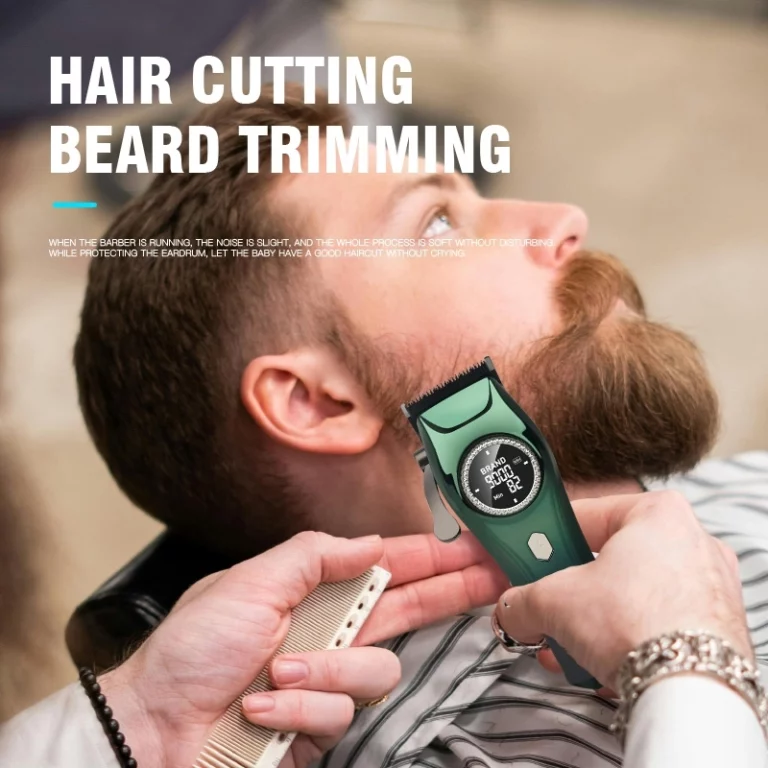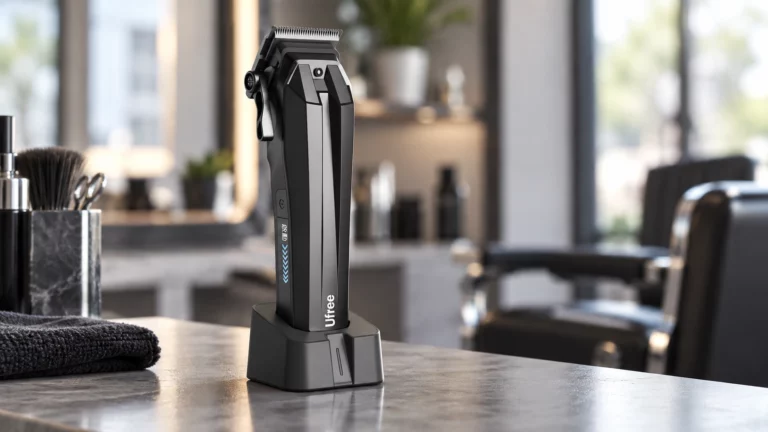
For brands selling private label hair tools in the European Union, GPSR compliance is a supply-chain task as much as a legal one. The product, package, user manual, technical file and online listing should all refer to the same model and production version.
This matters when a brand sells curling irons, hair straighteners, travel flat irons, electric shavers or other personal grooming products under its own name. A change to the plug, heating system, display, accessories, label or importer information can affect the review before the updated product reaches the EU market.
Set the GPSR Scope Before the EU Launch
Regulation (EU) 2023/988, known as the General Product Safety Regulation, has applied since 13 December 2024. It covers the safety of consumer products and includes requirements connected with economic operators, traceability and online sales.
For a private-label buyer, the first step is to define the product and supply chain. The brand should know who controls the technical file, who supplies the product information and which party is responsible for the required economic-operator details.
GPSR Is Not a Standalone Product Certificate
GPSR is not the same as CE marking and should not be presented as one universal “GPSR certificate.” Electrical hair tools may also require review under other applicable rules relating to electrical safety, electromagnetic compatibility, restricted substances or other product-specific requirements.
The main legal source is the EUR-Lex text of Regulation (EU) 2023/988. Buyers can also review the European Commission Access2Markets GPSR overview when preparing an EU market-entry checklist.
Match the Review to the Product Category
Oucai supplies personal hair-care and men’s grooming electrical products, including hair curlers, hair straighteners, hair dryer brushes, multi-function stylers, clippers, trimmers and electric shavers.
The U-8238 Automatic Curling Iron is a useful example of a heated styling tool that needs its own product description, instructions and packaging review. A curling iron should not be grouped together with a rechargeable shaver simply because both are sold through the same retail channel.
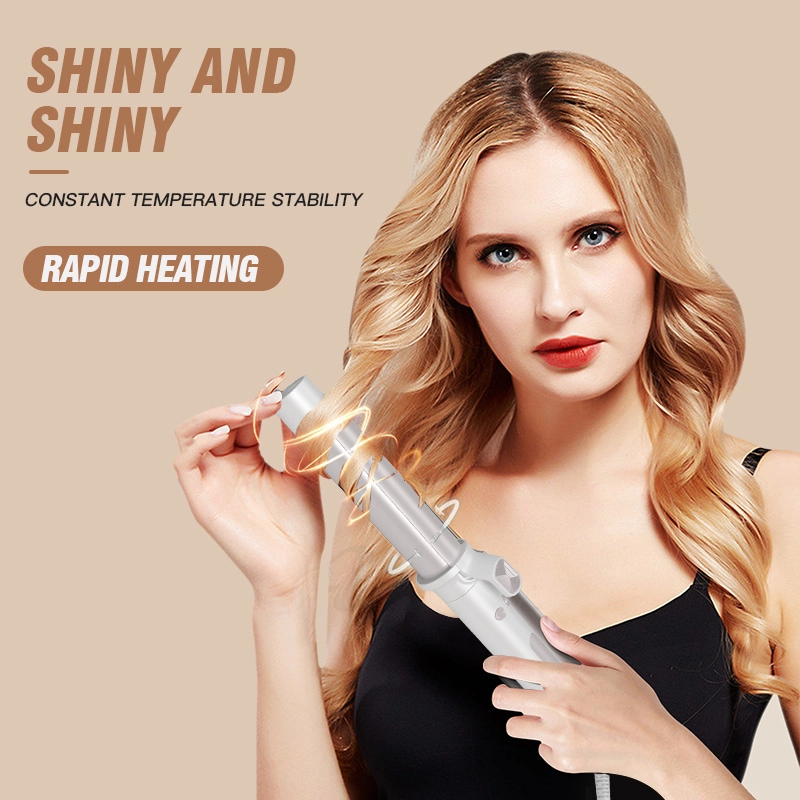
Treat every model as a defined SKU family. A category-level statement is not a substitute for documents connected with the final product version.
Assign Responsibilities in the Private-Label Supply Chain
A private-label order may involve the brand owner, manufacturer, importer, distributor, marketplace and EU economic operator. Those roles should be discussed before packaging artwork is approved.
Brand Owner and Manufacturer
The brand owner controls the trademark, model name, packaging artwork and customer-facing product information. The manufacturer supports production data, product specifications, samples and applicable technical records.
Oucai provides OEM/ODM support for personal hair-care and men’s grooming electrical products. Its service scope includes design and R&D support, sample coordination, production checks and final inspection. These capabilities can help a brand organize the supplier side of a private-label project.
The commercial agreement should still define who maintains the product file, who provides operator details and how product changes are reported.
Importer, Distributor and EU Responsible Person
The importer and distributor may have separate duties related to product information, records and market availability. Where an EU responsible person is required, the correct party, address and contact details should be confirmed for the actual route to market.
Do not copy contact information from an older project. A change in importer, fulfillment route or brand structure may change the information used on the product and in the online listing.
Keep Product, Packaging and Listing Data Aligned
A customer may first see a product on a marketplace, then inspect the box and manual after delivery. Those three touchpoints should describe the same item. This is a key issue for private label hair tools EU projects because the commercial artwork is often prepared before the final production details are frozen.
Information on the Product and Package
Review:
- Manufacturer and contact information
- Model or product reference
- Batch, serial or other traceability information where applicable
- Importer or economic-operator information
- EU responsible-person information where required
- Safety warnings and instructions
- Electrical specifications
- Required language versions
The U-9157 Hair Straightener can be handled as a separate straightener SKU rather than being merged with a curling iron in the private-label file. The model reference, electrical information, warning language and package artwork should remain consistent from sample approval to shipment.
Information in an Online Product Listing
The search term GPSR online marketplace requirements reflects a practical concern. An online listing should contain more than a lifestyle photograph, a price and a short sales slogan. Depending on the product and marketplace, the offer may need manufacturer information, economic-operator details, warnings and safety information.
The listing should match the physical product. A model number, warning or accessory shown online should not conflict with the package or instruction manual. When a brand changes the heating format, plug, color or accessory set, the online offer should be reviewed before the updated version is launched.
Build a Technical File for the Exact SKU
A technical file becomes difficult to maintain when documents use different model names or refer to different product versions. A private-label brand should be able to connect the customer-facing product with the information used during the product review.
Documents to Request from the Supplier
A practical file may include:
- Product specification
- User manual and safety instructions
- Risk-assessment information
- Applicable test reports or declarations
- Product photographs
- Label and packaging artwork
- Production or batch information
- Approved sample record
- Pre-shipment inspection record
- Complaint and corrective-action process
The purpose is simple: if a marketplace, distributor or customer asks a question, the brand should know which model was sold, which sample was approved and which production batch was shipped.
Record Changes to the Product Version
Track changes to:
- Model number
- Voltage and plug
- Heating or motor configuration
- Battery or charging method
- Attachments
- Housing design
- Packaging and manual
- Importer or operator information
The U-9162 Travel Flat Iron is positioned as a travel flat iron with ceramic coating and ten temperature levels. If a private-label buyer changes the temperature interface, plate configuration, artwork or usage instructions, the file should record the new version instead of relying on the original sample.
Review GPSR Alongside Electrical Requirements
The phrase GPSR compliance for hair styling tools should lead to a product-specific review. It should not lead to a general statement that every product in the category is covered by the same document.
Keep GPSR and CE Reviews Separate
A product may need to meet GPSR duties and also satisfy other rules that apply to electrical equipment. A CE mark does not automatically prove that every GPSR-related task has been completed.
A straightener, curling iron and electric shaver may have different operating instructions and risk points. The U-2618 Electric Shaver is presented as an electric foil shaver with three speed settings and an LCD display. Charging information, user instructions, warnings and product images should match the final version sold in the EU.
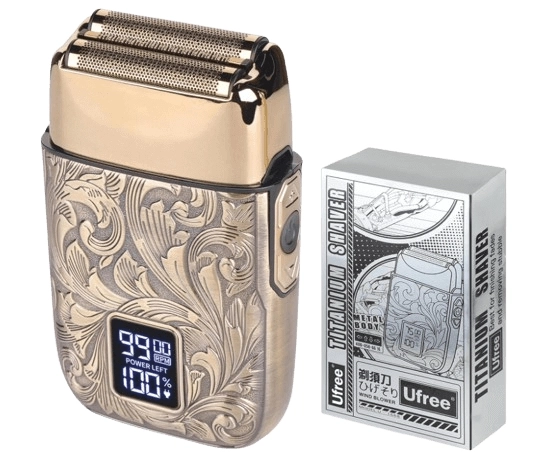
The buyer should request documentation connected with the exact model, voltage, plug, charging method and final production version.
Check the Final Sales Channel
The information required on a brand website may not be displayed in exactly the same way as the fields requested by Amazon, Shopify or another marketplace. Before launch, compare the platform’s current product-information fields with the physical package and internal file.
Use one approved data set for the model number, operator details, warnings, images and specifications. Entering the same information separately into several systems can create inconsistencies.
Ask the Supplier Focused GPSR Questions
A private-label buyer should ask questions that can be answered for the actual product. Broad statements such as “the product is compliant” do not provide enough detail for a technical file or listing review.
Questions Before Artwork Approval
Ask:
- Does the document identify the exact model?
- Does the report match the final voltage and plug?
- Does the packaging show the same model and brand?
- Who provides the EU economic-operator information?
- How are product changes recorded?
- Can production batches be traced?
- How are complaints and corrective actions handled?
With the product information, packaging artwork and online listing prepared as one file, the next step is a focused supplier review. Oucai supports private-label hair-tool projects through OEM/ODM coordination, sample confirmation, packaging communication and pre-shipment inspection planning.
A concise inquiry covering the target EU market, product category, planned quantity, voltage, plug type and packaging requirements gives the team a clear basis for discussing the selected SKU. Submit the project brief through the Oucai Contact page.
Check the File Before Mass Production
The best time to review GPSR-related product information is before packaging is printed. At that stage, the brand can still correct the model reference, warning language, operator information and language version.
After cartons are produced, even a small artwork mistake can create relabeling work, delayed fulfillment or marketplace corrections. A short review before production is usually easier to manage than a correction after arrival.
Conclusion
GPSR compliance for private label products depends on consistent information and clear responsibility. The product, package, manual, technical file and online listing should all refer to the same SKU and production version.
For Oucai’s product categories, this can include automatic curling irons, hair straighteners, travel flat irons and electric shavers, alongside other personal hair-care and men’s grooming tools. Oucai’s OEM/ODM, sample and inspection support can help organize the supplier side of an EU project. The brand owner should still confirm the rules that apply to its product, importer and sales model.
FAQs
Q1: Does GPSR apply to private label hair tools?
A: It may apply when a product is sold to EU consumers under a private brand. The brand owner should review its role in the supply chain, product information and economic-operator arrangement.
Q2: Who is the EU responsible person under GPSR?
A: The responsible person depends on the supply chain and applicable requirements. Confirm the correct party, address and contact information before the product is placed on the EU market.
Q3: What information should appear in an online GPSR product listing?
A: Depending on the product and marketplace, the listing may need manufacturer information, economic-operator details, safety warnings and instructions. The listing should match the package and manual.
Q4: Is GPSR the same as CE marking?
A: No. GPSR is a general product-safety framework. Electrical hair tools may also require review under other applicable electrical, electromagnetic-compatibility or materials requirements.
Q5: What documents should a private label hair tools supplier provide?
A: Ask for the exact product specification, manual, applicable test reports or declarations, product images, artwork, approved sample record, batch information, inspection record and complaint process. Each document should identify the final SKU version.