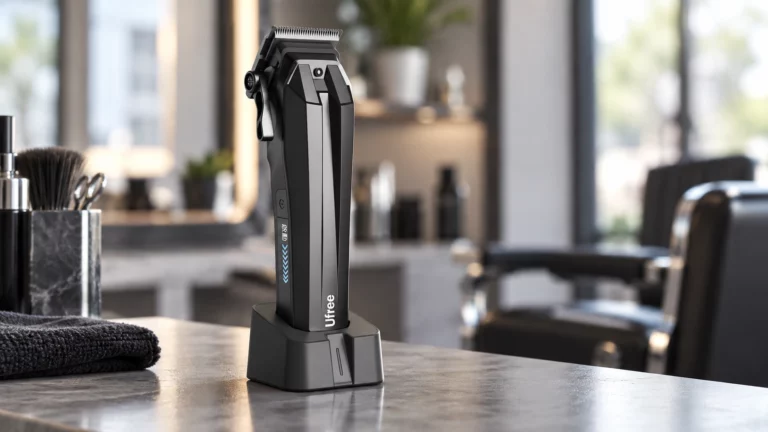
A cordless hair clipper is easy to compare on a quotation: cutting system, battery, charging, housing, accessories, and price. Air shipment adds another layer. The battery configuration used in the finished product affects how the shipment is prepared and which information the buyer needs from the supplier.
That topic has become more visible in 2026. The number of lithium batteries transported as air cargo rose 25% year over year, while the 2026 IATA rules introduced new state-of-charge requirements for certain batteries packed with equipment.
For importers and private-label brands, this is best handled as part of product sourcing—not as paperwork left until cartons are ready.
2026 Battery Shipping Changes That Matter to Clipper Buyers
The widely discussed 30% state-of-charge rule does not apply to every cordless clipper in exactly the same way. The first question is where the lithium-ion battery sits when the shipment is offered for air transport.
A battery already installed in the clipper and a battery packed beside the clipper follow different packing instructions. That distinction can affect retail-kit planning, sample shipment, and the information included in an OEM brief.
PI 966 and the 30% State-of-Charge Requirement
PI 966 applies to lithium-ion batteries packed with equipment. From January 1, 2026, batteries under PI 966 Section I must be offered for transport at no more than 30% of rated capacity unless the required approvals apply. In Section II, batteries above 2.7 Wh are also subject to the 30% limit.
For a cordless hair clipper project, this becomes relevant when an uninstalled or removable battery is packed with the machine.
That can happen because the product was designed around a removable battery, or because a buyer decides to include an additional battery in the retail pack. The commercial idea may be simple, but the final shipment is no longer configured in the same way.
For projects where battery access is part of the product strategy, Oucai’s replaceable battery hair clipper sourcing guide covers the product-development side separately.
PI 967 for Batteries Installed in Equipment
PI 967 applies to lithium-ion batteries contained in equipment. In 2026, transport at no more than 30% state of charge, or at an indicated battery capacity no higher than 25%, remains strongly recommended rather than mandatory under PI 967.
This is the configuration buyers will often encounter with a conventional cordless clipper where the battery is already installed.
The practical point is more useful than the regulation number: freeze the battery and retail-pack configuration before asking a forwarder to prepare the shipment. A sample shipped one way and a production order packed another way can create unnecessary rework.
UN3481 Classification Starts with the Finished SKU
Once the battery location is fixed, the next step is identifying the transport route that matches the actual product. This is where searches such as UN3481 hair clipper, PI 966 vs PI 967, and shipping cordless hair clippers by air become relevant.
The product name alone is not enough to determine the applicable air-shipping requirements. Battery chemistry, Watt-hour rating, battery location, quantity and final packing configuration also need to be reviewed.
Installed, Packed with Equipment, or Shipped Alone
| Shipment configuration | Starting air-shipping route |
| Lithium-ion battery installed in the clipper | UN3481 / PI 967 |
| Lithium-ion battery packed with the clipper | UN3481 / PI 966 |
| Lithium-ion battery shipped alone | UN3480 / PI 965 |
These three routes are separated in the 2026 lithium-ion battery classification flow.
This matters during product selection. A buyer comparing models in the Oucai professional hair clipper range is not only choosing cutting performance and retail positioning. Once the battery arrangement is fixed, that same configuration needs to carry through sampling, packaging, and freight preparation.
Keep Retail Configuration and Shipping Configuration Aligned
Consider a common private-label scenario. A buyer approves a clipper with an internal battery, then later wants a spare battery added to make the offer look stronger online.
That is not merely an accessory change.
It affects what sits inside the package and can alter the transport route that needs to be reviewed. The cleaner approach is to decide whether a spare or removable battery belongs in the offer while the SKU is still being built.
It also keeps product photography, packaging content, supplier records, and logistics working from one version.
UN38.3 and Battery Data Buyers Need Before Shipping
After the physical configuration is settled, the focus moves to battery identification. Freight teams need usable product data, not a marketing phrase such as “high-capacity lithium battery.”
For B2B buyers, UN38.3 test summary, battery model, nominal voltage, and Watt-hour rating are the useful fields. Keeping them attached to the selected SKU reduces confusion when samples, production units, and repeat orders move at different times.
Match UN38.3 Information to the Actual Battery
Lithium-ion cells and batteries offered for transport must meet the applicable UN 38.3 testing requirements. The test summary identifies details including the manufacturer, test laboratory, battery type, physical description, model numbers, Watt-hour rating, test reference, and results.
The buyer’s job is not to collect as many certificates as possible.
The useful check is whether the battery model in the project file is the same battery used in the approved product. If the battery source or model changes before production, that link needs to be checked again.
mAh Is Useful for Buying, but It Is Not the Whole Shipping Specification
Battery capacity in mAh is useful when comparing cordless products. Transport planning also uses Watt-hours, which requires the battery’s nominal voltage.
Wh = nominal voltage × capacity in Ah
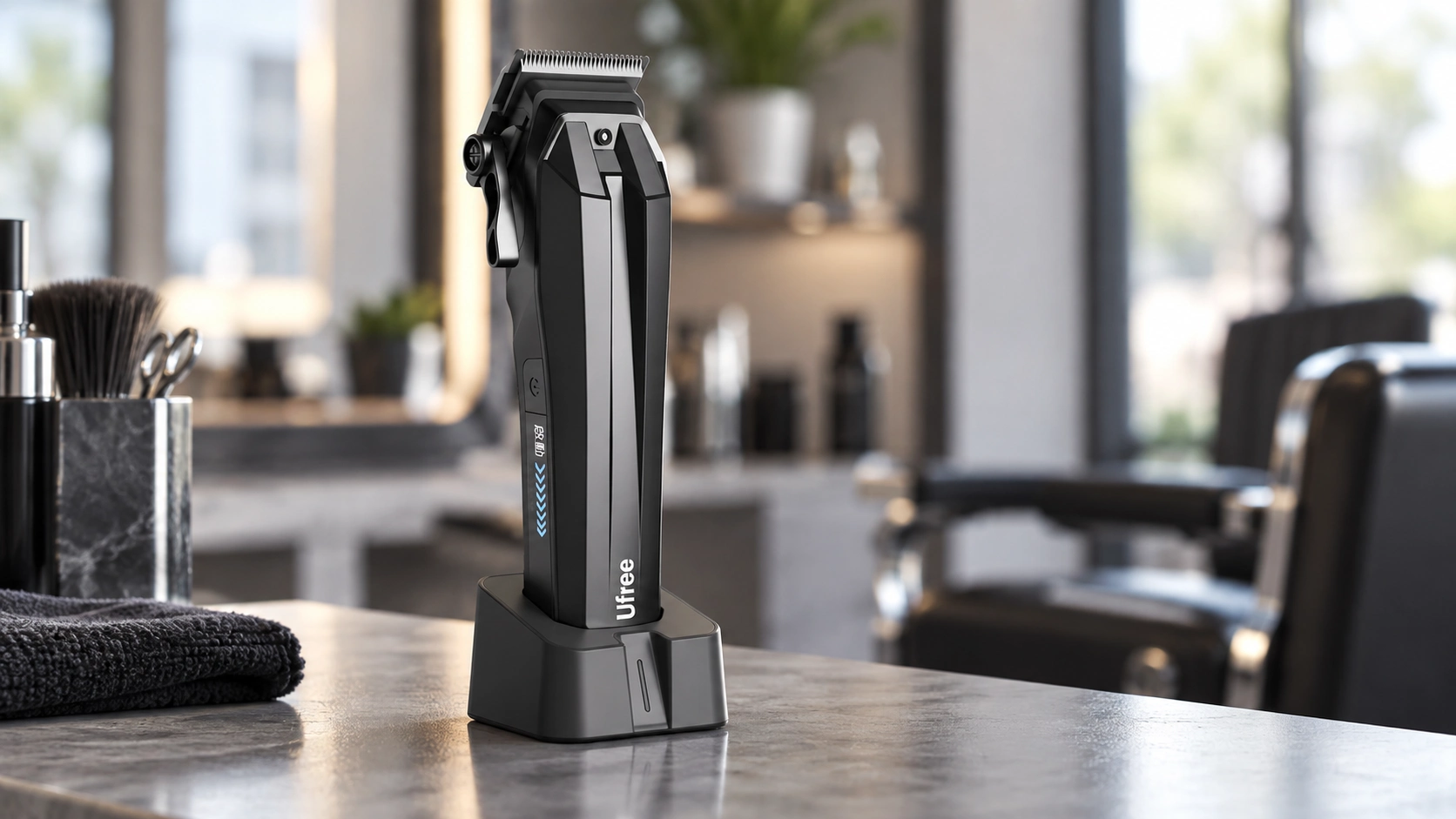
The Oucai U852-1 fade-blade cordless hair clipper uses a 2500mAh battery. That number helps a buyer compare the product platform, but it does not provide the full battery transport specification by itself. The exact battery model and nominal voltage still need to match the production version.
This is a good example of why the e-commerce specification and the purchasing file serve different jobs.
Put Battery Configuration into the RFQ Before Sampling
Battery questions become easier when they appear early in the sourcing process. An RFQ that only says “cordless professional hair clipper” leaves too many assumptions open.
A stronger brief describes the market, intended product, battery arrangement, charging setup, packaging concept, and whether any spare battery will be supplied. From there, samples and shipping data can be prepared around one defined SKU.
Write the Product First, Then the Freight Requirement
A useful buyer brief might read:
Professional cordless hair clipper for U.S. barber distribution, battery installed in the unit, no spare battery, private-label retail pack, air shipment for samples followed by commercial production.
That tells a supplier far more than:
Please quote your best rechargeable clipper.
Different product platforms can also involve very different battery arrangements. Oucai’s U-857 professional cordless clipper, for example, uses a 4500mAh lithium-ion battery, while the U852-1 uses a smaller-capacity platform. For sourcing teams, the point is not that one battery is automatically better. Each model needs its own confirmed battery data and project file.
Use the First Sample Shipment as a Process Check
An air-shipped sample is a useful test of the whole information flow.
Before it leaves, the buyer and supplier can confirm the clipper model, battery model, chemistry, nominal voltage, capacity, Watt-hour rating, battery location, charger, and retail configuration.
That same approved version can then become the reference for mass production.
Oucai’s published quality process includes a pre-production sample before mass production and final inspection before shipment. Bringing battery identification into those checkpoints helps keep the commercial product and shipping file aligned.
Build the Product Around the Market, Not the Battery Rule
Lithium battery shipping is important, but it should not take over the product decision. A distributor is still buying a clipper that has to fit a barber, price tier, sales channel, and assortment.
Battery architecture belongs beside those commercial decisions.
A higher-capacity battery may suit a professional platform designed around longer work sessions. A more compact configuration may make better sense where size, weight, or price matter more. The right product is the one where cutting performance, battery strategy, packaging, and logistics work together.
Move from Product Selection to a Clear Commercial Inquiry
For a cordless hair clipper wholesale or OEM hair clipper project, include:
- target country and sales channel;
- expected order quantity;
- reference model or cutting direction;
- installed or removable battery setup;
- spare-battery requirement;
- branding and packaging direction;
- sample and shipping plan.
Once those points are clear, buyers can contact Oucai for an OEM hair clipper quotation with a brief that is specific enough to discuss the right product rather than simply exchange catalogs.
Conclusion
The 2026 lithium battery shipping rules matter most when they are connected to the actual cordless clipper being purchased.
Start with the finished SKU. Confirm whether the battery is installed, packed with the equipment, or shipped separately. Keep the exact battery tied to its UN38.3 information and Watt-hour data, then carry that version from RFQ through sample approval and commercial shipment.
For private-label brands and distributors, that approach keeps logistics from becoming a late-stage correction—and creates a cleaner product file for reorders as well.
FAQ
Q1: Do cordless hair clippers need UN38.3?
A: The lithium-ion battery used in a cordless hair clipper must meet the applicable UN 38.3 transport testing requirements. The battery information used for shipping needs to match the actual product configuration.
Q2: Is a cordless hair clipper classified as UN3481?
A: Lithium-ion batteries contained in equipment or packed with the equipment they power fall under UN3481 when the applicable conditions are met. Batteries installed in the clipper point to PI 967; batteries packed with the clipper point to PI 966.
Q3: What is the difference between PI 966 and PI 967?
A: PI 966 covers lithium-ion batteries packed with equipment. PI 967 covers batteries contained in equipment. Their 2026 state-of-charge treatment is not identical.
Q4: Can cordless hair clippers be shipped by air?
A: Yes. The exact battery configuration, packing instruction, battery limits, documentation, packaging, and carrier requirements need to fit the shipment being booked.
Q5: Does the 30% battery rule apply to cordless hair clippers in 2026?
A: It depends on how the battery is packed. The specified PI 966 cases are subject to the 30% SoC requirement. Under PI 967, reduced state of charge remains strongly recommended rather than mandatory in 2026.