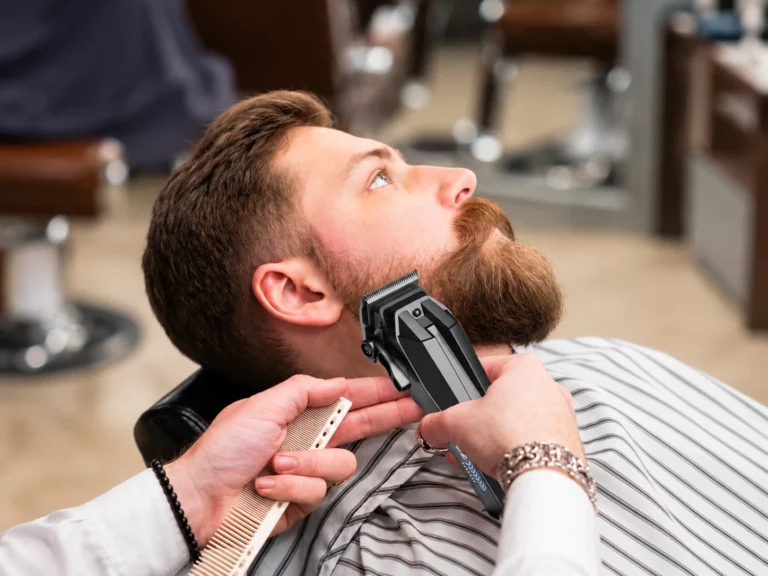
Multi-function grooming tools are developing from accessory-heavy bundles into structured B2B assortment platforms. For distributors, salon suppliers, importers, private-label operators, and e-commerce wholesalers, the commercial value lies in combining several functions within one SKU while controlling freight exposure, compliance risk, and after-sales cost. Strong 2026 sourcing programs will evaluate each set as a complete commercial system rather than an isolated appliance.
Why Multi-Function Grooming Tools Matter in 2026
SKU Consolidation and Assortment Efficiency
A multi-purpose grooming set can incorporate such processes as clipping, trimming, shaving, detailing, and even nose and ear grooming as well as body grooming into a single product offering. Such a multi-use kit may help to streamline the process of forecasting and restocking a wide range of products.
Each attachment, however, adds tooling, packaging, quality-control, and replacement-part requirements. Procurement teams therefore need to compare total landed cost per usable function, not only factory price per set. Additional heads create value only when they are differentiated, securely fitted, consistently manufactured, and relevant to the target channel.
Channel Fit and Price Architecture
Professional channels generally prioritize motor stability, blade performance, ergonomics, serviceability, and runtime. Retail and e-commerce channels often place greater weight on attachment clarity, packaging efficiency, and perceived completeness.
A disciplined product range can use a good-better-best structure: an entry kit for core functions, a mid-tier kit with broader attachments, and a higher-specification set with stronger motors, larger batteries, premium blades, or more durable housings. This structure supports clearer price positioning while limiting unnecessary SKU duplication.
2026 Product Innovation Overview
Modular Clipper and Trimmer Platforms
The U-1779 is presented as a 7-in-1 set with seven trimmer heads, ten guide combs, a base, an LCD display, and a metal body. Its product page states a motor speed of up to 6500 RPM, while another official 2026 overview lists a 1200mAh battery, approximately 1.5 hours of charging, at least 150 minutes of runtime, and 6300 ±10% RPM. This variation makes specification version control an essential purchase-order requirement.
The U-1176 follows a different commercial profile: six heads, five guards, a 600mAh lithium battery, 7500 RPM, 1.5-hour charging, 90-minute working time, 20 sets per carton, and a published lead time of 25–30 days. These data points support carton planning and inventory scheduling, but final quotations should still be matched against a dated technical sheet and approved sample.
Battery, Charging, and Operating Visibility
The U-2226 set is published with 2000mAh and 1200mAh lithium batteries, a 6300 RPM cordless trimmer, Type-C charging, an LCD display, a stated 1.5-hour charging cycle, and up to 180 minutes of operation. Its retail package is listed at 17.5 × 21.5 × 5.7 cm and 884 g with the box, providing useful inputs for freight and shelf planning.
Battery approval should cover runtime under load, charge-cycle consistency, low-battery performance, charger compatibility, display accuracy, and temperature rise. A no-load runtime test does not adequately represent repeated barber or salon operating conditions.
Multi-Function Hot Air Styling Systems
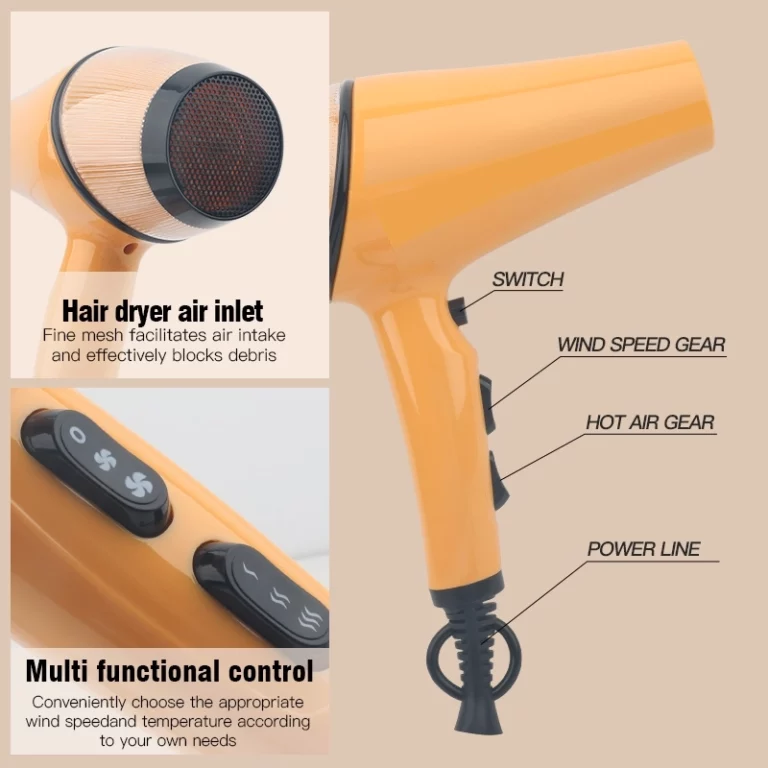
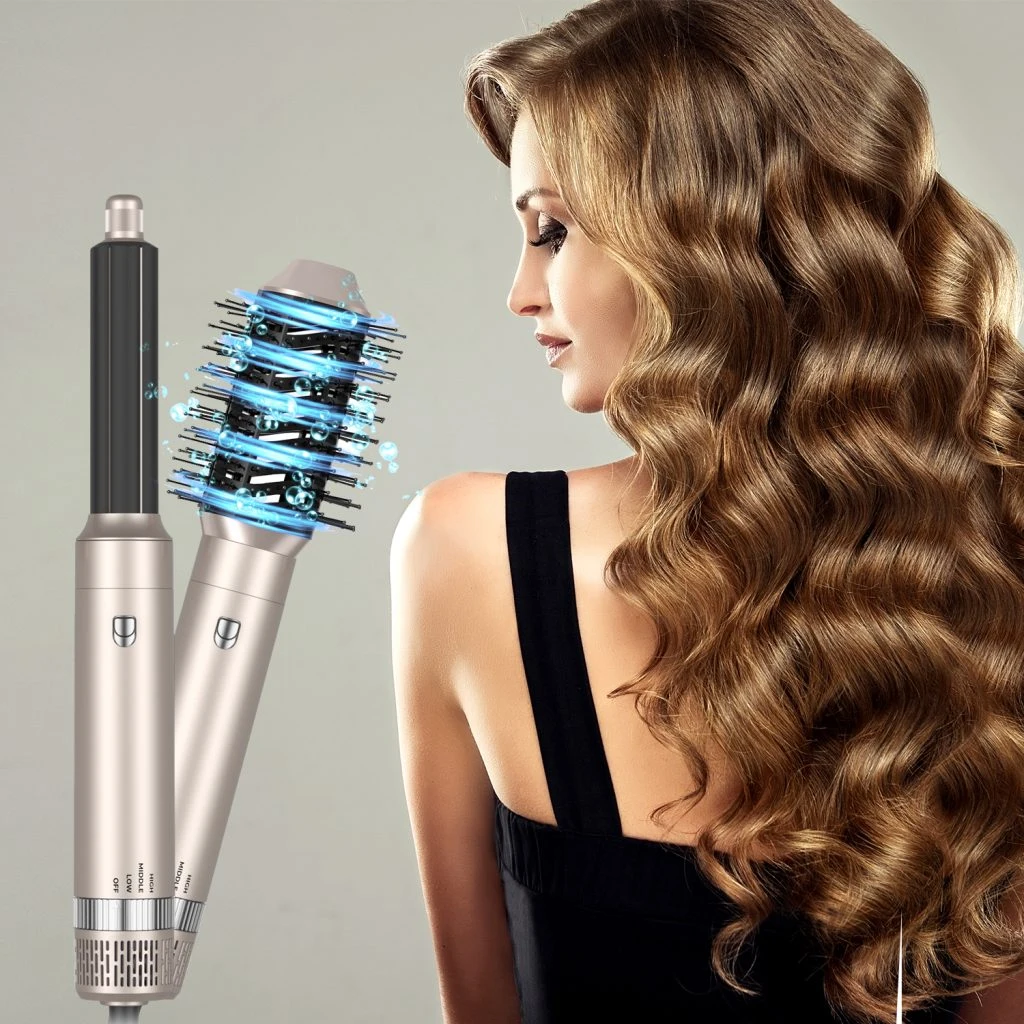
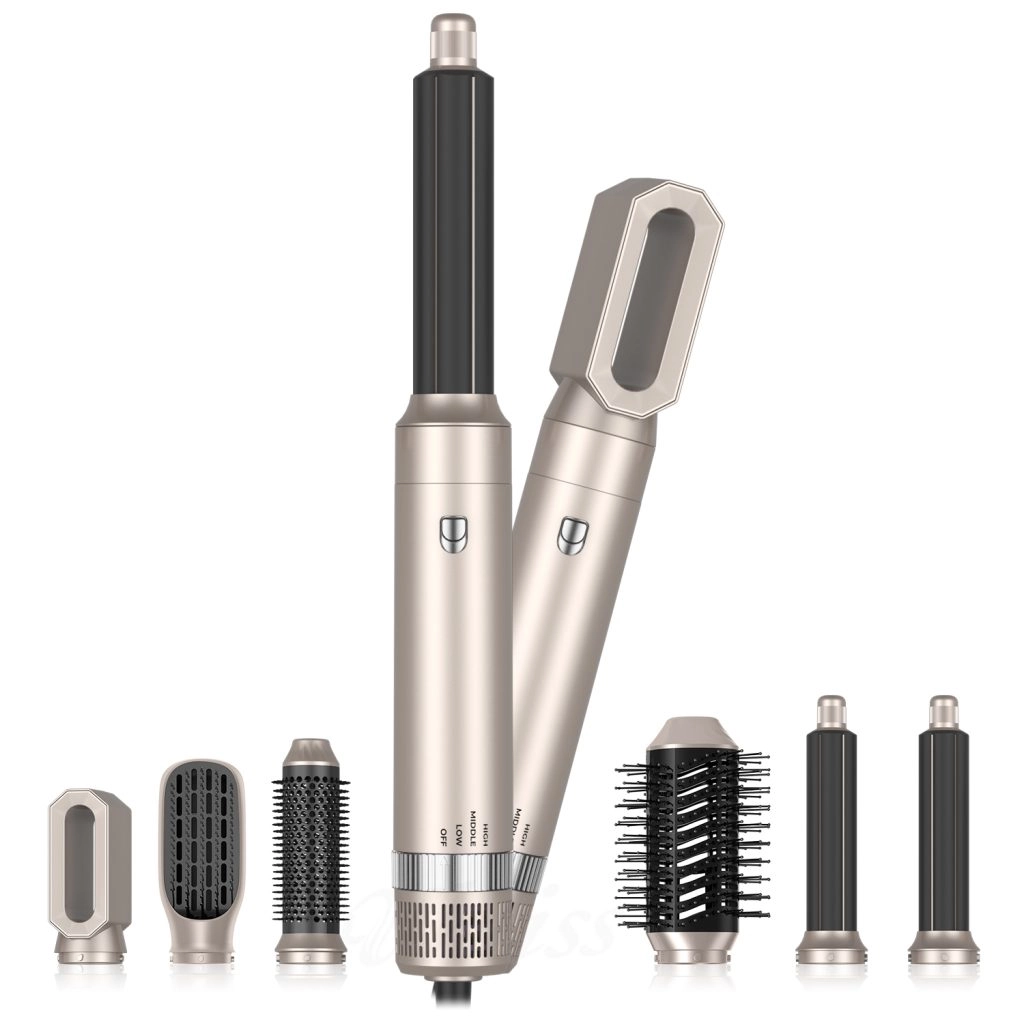
The U-8227 6-in-1 hot air platform combines drying and styling functions. Its listing specifies 110/220V versions, 50/60Hz frequency, 800/1000W power, three temperature levels, a two-meter cord, and 12 units per carton. Published dimensions and weight support preliminary packaging and logistics calculations.
Voltage and plug configuration must be managed as separate market variants. Procurement files should also define attachment materials, heat resistance, locking strength, airflow consistency, cord specifications, temperature tolerances, and carton drop-test standards. A complete-looking styling kit can still generate returns when attachment fit or thermal consistency is poorly controlled.
Procurement Evaluation Framework
Specification Control and Sample Approval
A professional RFQ should request a model-specific specification sheet covering motor type, RPM tolerance, blade material, battery cell, rated capacity, charging input, operating time, noise level, waterproof scope, accessory count, product weight, carton quantity, and packaging dimensions.
Differences among website listings, quotations, samples, manuals, and purchase orders should be resolved before deposit. A signed specification sheet also reduces uncertainty when components or packaging are revised between production runs.
Sample approval should include a signed golden sample or equivalent reference, packaging artwork approval, accessory checklist, labeling confirmation, and functional test criteria. Multi-function products create more possible failure points than single-purpose tools, making attachment-by-attachment inspection necessary.
Quality Control and Compliance Documentation
The supplier states that pre-production samples are used before mass production and that final inspection is completed before shipment. The website also reports CE, FCC, and RoHS coverage and describes warranty, repair, technical-support, replacement, return, and refund processes. These statements provide a starting point, not a substitute for model-level verification.
Current documents should match the exact model, voltage, plug, battery, charger, and destination market. Inspection plans should cover appearance, assembly, blade alignment, attachment retention, charging, runtime sampling, motor sound, thermal behavior, accessories, barcode accuracy, and packaging integrity.
Supply Continuity and After-Sales Readiness
The official site identifies a Zhejiang-based supplier established in 2022, covering high-speed dryers, hot air brushes, clippers, and shavers for several export regions.
Repeat-order planning should address component continuity, battery substitutions, blade availability, packaging revision control, and spare-part support. After-sales terms should define warranty duration, required defect evidence, replacement methods, response times, and freight responsibility.
Clear procedures are particularly important for multi-function sets because a missing or defective attachment can affect the commercial value of the entire packaged SKU.
Building a Scalable B2B Assortment
Pilot Orders and Commercial KPIs
A pilot order should test more than sell-through. Useful KPIs include defect rate, return reason, attachment loss, charge complaints, runtime variance, packaging damage, listing conversion, and reorder speed. Results can determine whether a model belongs in a core assortment, professional channel, seasonal program, or value-focused tier.
A focused matrix is often more scalable than a broad catalog. A modular clipper set, professional clipper, electric shaver, high-speed dryer, and hot air styling system can create a coherent initial program while keeping compliance and forecasting manageable.
Total Cost of Ownership
Factory price remains important, but total cost includes sampling, testing, documentation review, packaging development, inspection, freight, duties, returns, warranty replacements, and inventory aging.
Multi-function tools improve value density only when accessory quality and documentation are controlled with the same discipline as the main appliance. A lower unit price can become commercially expensive when unclear specifications, inconsistent components, or weak internal packaging increase the return rate.
Conclusion
A Practical Sourcing Direction
The 2026 opportunity in multi-function grooming tools is based on disciplined product architecture: modular functions, credible battery performance, clear operating information, market-specific electrical configurations, controlled packaging, and documented quality processes. Procurement decisions should prioritize verified specifications and repeat-order stability over attachment count alone.
For distributors, salon suppliers, wholesalers, and private-label programs evaluating a structured grooming portfolio, Oucai can provide model information, sample discussions, packaging options, and commercial quotations. A concise inquiry covering the target market, product category, expected volume, compliance needs, and packaging format is an appropriate next step. For product specifications, sample availability, packaging options, or project-based quotations, procurement teams may contact Oucai through the official inquiry channel for further discussion.
FAQ
What makes a multi-function grooming tool suitable for B2B distribution?
A suitable platform combines relevant functions, stable attachment fit, clear packaging, repeatable specifications, manageable carton dimensions, and an after-sales process. A high attachment count without effective quality control can increase returns rather than strengthen product value.
Which specifications matter most when comparing grooming kits?
Motor type, RPM tolerance, blade material, battery capacity, runtime, charge time, charging interface, accessory configuration, carton quantity, waterproof scope, noise, warranty terms, and market-specific electrical details should be compared.
How should a pre-production sample be evaluated?
Evaluation should include every head and guard, blade alignment, loaded motor behavior, runtime, charging, heat rise, display accuracy, housing finish, accessory completeness, labeling, packaging strength, and consistency with the technical sheet.
What compliance documents should be requested?
Requirements depend on the destination market and product configuration. Model-specific reports, declarations, battery transport documents, labeling files, plug and charger information, and applicable restricted-substance documentation should be reviewed before shipment.
How can return risk be reduced?
Return risk can be reduced through specification version control, golden-sample approval, attachment-level inspection, clear manuals, secure internal packaging, runtime sampling, barcode verification, spare-parts planning, and written warranty procedures.