WEEE compliance for importers is a country-by-country producer-responsibility task, not a product certificate. A private-label hair tool buyer must determine who is legally the producer for each sales route, register where required before placing equipment on a national market, approve the WEEE marking, organise or finance end-of-life treatment, and retain data for periodic reports. Start before packaging artwork and marketplace listings are released.
This guide helps EU importers, distributors and brand owners turn those duties into a sourcing workflow for hair dryers, dryer brushes, curling tools, straighteners, clippers and shavers. It is practical procurement guidance, not legal advice; national registers or qualified advisers should confirm the final role and process.
Decide Who Carries the WEEE Role
Map the Actual Route to Market
The EU’s WEEE responsibilities guidance requires businesses that manufacture, distribute or sell electrical and electronic equipment to address registration, reporting and waste management. The legal producer is not always the physical factory. Under the WEEE Directive definition, own-brand marketing, first placement from another country and distance selling can affect who carries the role.
Map the transaction before assigning responsibility. Record the brand on the product, where each party is established, who imports the equipment, who first offers it in the destination country and whether sales are direct, through a distributor or through a marketplace. A supply agreement can allocate tasks and costs, but it cannot rewrite the statutory role created by the actual route to market.
Keep Supplier and Producer Roles Separate
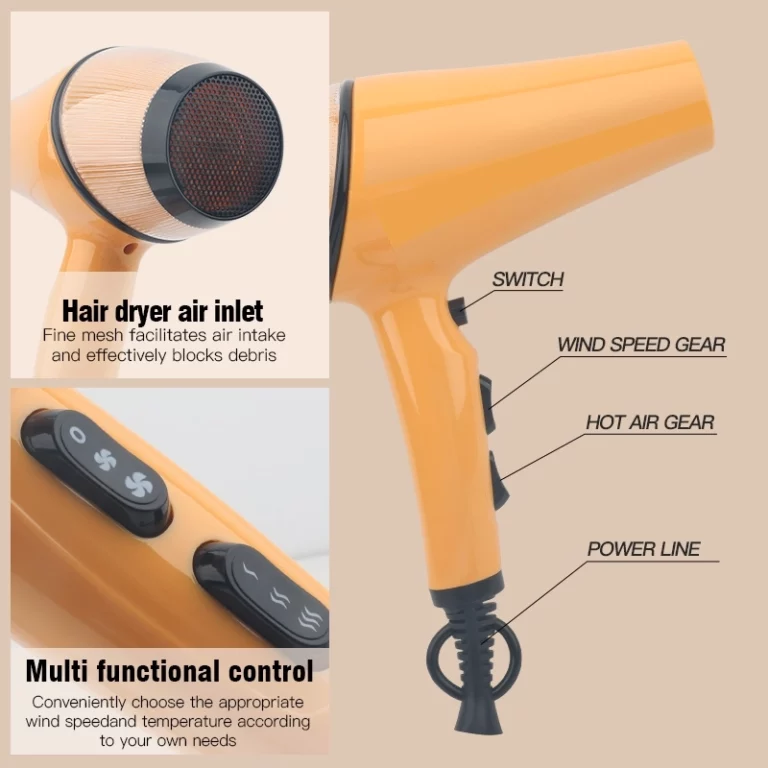
Oucai supplies personal hair-care and men’s grooming electrical products. The Oucai hair dryer range is relevant to the WEEE scope discussion because a mains-powered dryer is electrical equipment placed on the market as a defined model. Buyers must still determine the producer, category and registration treatment in every destination country; Oucai’s supplier role does not by itself settle those legal questions.
Build a Country-by-Country Registration Map
One registration does not cover the entire EU. The official guidance directs businesses to register with the responsible national authorities in each EU country where equipment is sold and to obtain national reporting formats from those registers. Before launch, create one row per country and sales route. Do not use a single EU-wide status field in the project plan.
| Control point | Project record | Release gate |
| Producer role | Legal entity, establishment, brand and sales route | Role confirmed for the destination country |
| Registration | National register, number, scheme or individual arrangement | Registration active before market placement when required |
| Reporting | Units or weight by category, period and country | Data owner and reporting calendar assigned |
| Waste financing | Collection, treatment and recycling arrangement | Contract and payment responsibility documented |
| Evidence | Registration, reports, invoices and approved artwork | Records stored against the country and SKU |
This matrix also improves commercial planning. A launch in two countries is not administratively equivalent to a launch across the EU, even when the product and packaging are identical. Procurement should therefore freeze the first-wave markets early enough for the responsible party to complete registration, choose a compliance arrangement and establish the reporting calendar.
Prepare the SKU Data Pack Before Artwork
Create One Controlled Record per Final Model
Build one controlled record for every final model and country. At minimum, capture the brand, model identifier, product description, WEEE category, net equipment weight, battery status, expected units or weight placed on the market, launch date, producer entity, registration number and reporting owner. National schemes can request different classifications or formats, so treat this as the master source rather than the final filing form.
Do not merge different Oucai categories into one generic hair-tool record. A hot-air product from the hair dryer brush range has its own model identity and electrical configuration. Its product weight, packaging, brand, plug and sales forecast should be tied to that final SKU instead of copied from a conventional dryer or another styling platform.
Separate Data Supply From Filing Ownership
Ask for product data early, but keep ownership clear. The supplier can provide model specifications, component or battery information, available weights and artwork inputs. The producer or its appointed compliance provider must decide the applicable national category, submit reports and maintain evidence. If a field is missing, mark it open; never substitute a catalogue estimate in a legal report.
Approve WEEE Marking and Disposal Information
The EU’s WEEE label guidance explains that electrical and electronic equipment generally carries the crossed-out wheeled-bin symbol and an identification mark such as the brand or trademark. For products placed on the market after 13 August 2005, the marking uses a bar below the bin or the relevant market-placement date. The marking should be permanent, visible and readable.
Approve the symbol on the final product artwork, not on an isolated mock-up. Check its position, legibility, permanence and relationship to the model and producer identification. Also review the manual and packaging for disposal information and any national instructions. Keep dated artwork approval with the SKU record so a later housing, label or brand change triggers a controlled review.
Keep WEEE Separate From GPSR, CE, RoHS and PPWR
WEEE manages waste electrical and electronic equipment at the end of its useful life. It does not demonstrate electrical safety, electromagnetic compatibility, restricted-substance conformity or general product safety. A registration number or crossed-out-bin symbol is therefore not a substitute for the technical documentation, declarations, traceability information and warnings required under other applicable rules.
Packaging producer responsibility is another separate workstream. Use the EU PPWR packaging guide to plan packaging materials, weights and approval timing, but do not mix those figures with WEEE equipment weight. A single launch tracker may show both workstreams, while each keeps its own legal basis, data fields, responsible party and evidence.
Integrate WEEE Checks Into an Oucai RFQ
Request Model-Specific Inputs
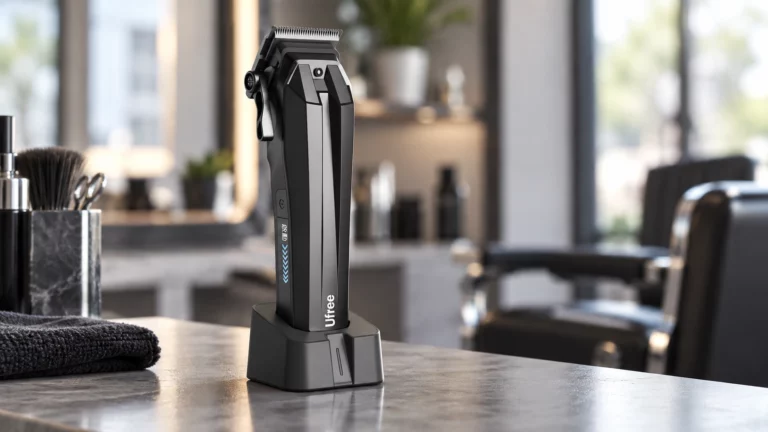
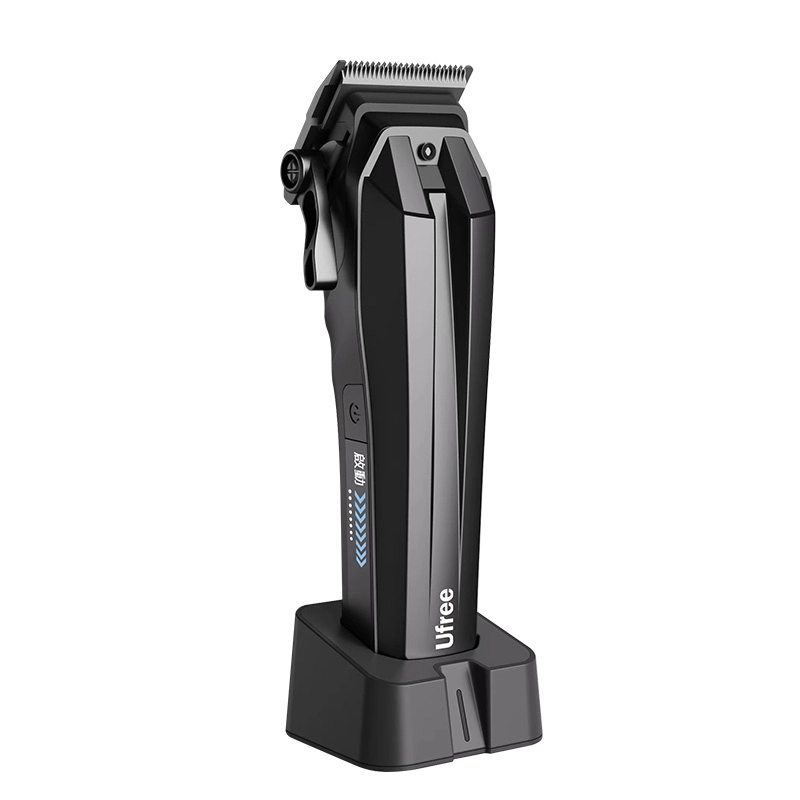
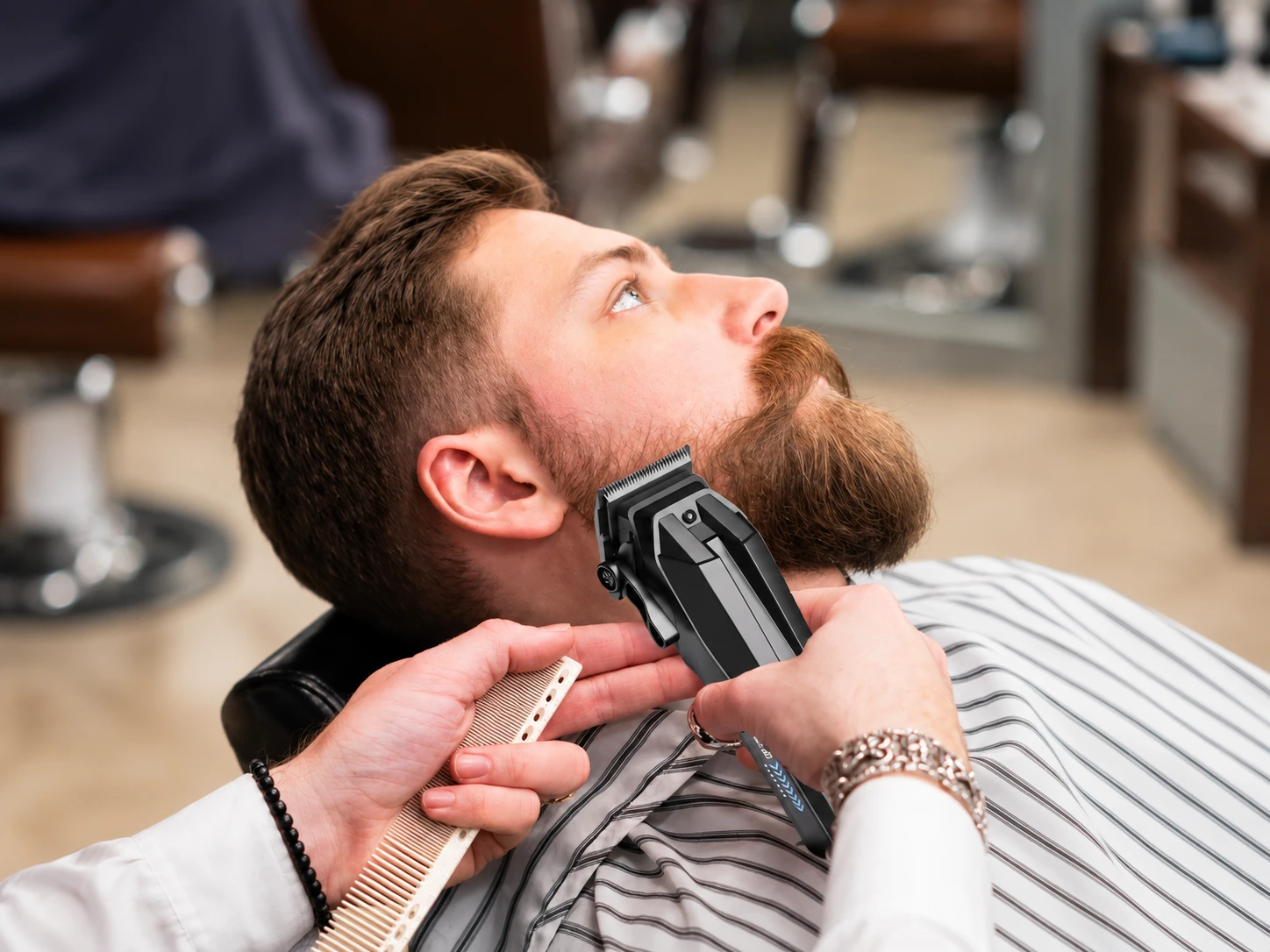
Use a named model to prevent category-level assumptions. The U852-1 cordless rechargeable hair clipper is identified as a cordless, rechargeable model with a 2500mAh battery. Those facts establish a product starting point, not a completed WEEE or battery file. The buyer still needs the final brand artwork, net equipment weight, destination-country role, battery chemistry and weight, and reporting arrangement for the ordered version.
For the RFQ, request the exact model and configuration, net equipment weight excluding packaging, battery type and weight where relevant, product and packaging dimensions, proposed WEEE mark artwork, model and brand identifiers, and a change-control contact. Ask which fields are measured and which remain provisional. Tie every response to the sample or specification revision used for the quotation.
Separate Cordless Product Workstreams
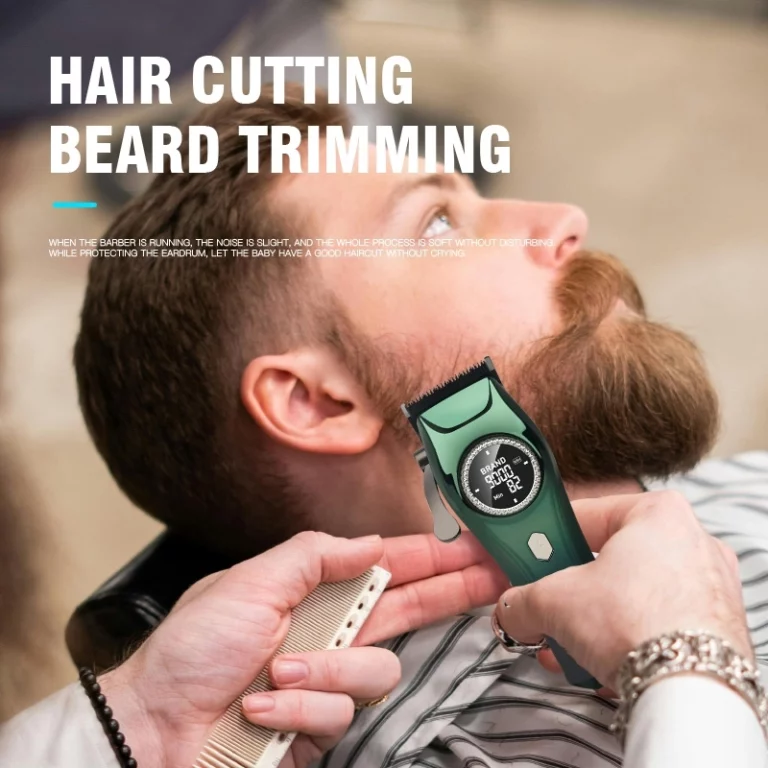
Rechargeable grooming tools need their own record. When reviewing the hair clipper and trimmer range, separate the equipment-level WEEE work from battery, transport and product-safety requirements.
Confirm the final battery configuration instead of treating the U852-1’s published 2500mAh capacity as evidence of battery chemistry, transport classification or national battery-EPR status.
Maintain the Record After Launch
WEEE work continues after registration. Reconcile sales by country, model and reporting period; retain the source data used in each declaration; and track registration renewals or compliance-scheme deadlines. If a distributor, marketplace or legal entity changes, review the producer map before the next sale. If product weight, battery, brand or model identity changes, update the SKU record and determine whether artwork or reporting data must change.
Conclusion
Effective WEEE compliance for importers begins with a clear market map. Identify the producer for each route, register in every relevant EU country, prepare model-level equipment data, approve the final WEEE marking and assign reporting and waste-financing ownership. Keep this work separate from GPSR, CE, RoHS, battery and packaging obligations, even when one launch tracker connects them.
For Oucai hair tools, request data against the exact ordered configuration and retain national legal decisions with the responsible producer or adviser. That boundary turns supplier information into useful evidence without mistaking it for registration or legal approval.
Request Product Data for the WEEE Workstream
Prepare your target-country list, sales route, brand, candidate models and open product-data fields before you contact Oucai. Request configuration-specific information for the products under review, then have the legally responsible party or its adviser confirm national registration, reporting and labelling requirements.
Frequently Asked Questions
Does one WEEE registration cover every EU country?
No. EU guidance requires registration with the responsible authorities in each country where the equipment is sold. The producer should confirm the national register, category, reporting format, compliance arrangement and any authorised-representative requirement for every intended market before sales begin.
Who is the WEEE producer for a private-label hair tool?
It depends on the brand, establishment, import route and selling model. An own-brand seller, importer or distance seller may fall within the producer definition. Map the real transaction and confirm the result with the destination country’s register or a qualified adviser; do not assign the role from the factory invoice alone.
Is the crossed-out wheeled-bin symbol enough for WEEE compliance?
No. The symbol is one marking requirement. The responsible producer may also need national registration, periodic reporting, waste collection or financing arrangements, records and country-specific consumer information. Approve the mark only after the product identity and responsible-party plan are settled.
Is WEEE registration the same as CE marking?
No. WEEE concerns end-of-life producer responsibility for electrical and electronic equipment. CE marking relates to conformity with applicable EU harmonisation legislation. A product may require both workstreams, plus other duties, but evidence from one does not replace evidence or registration required by the other.