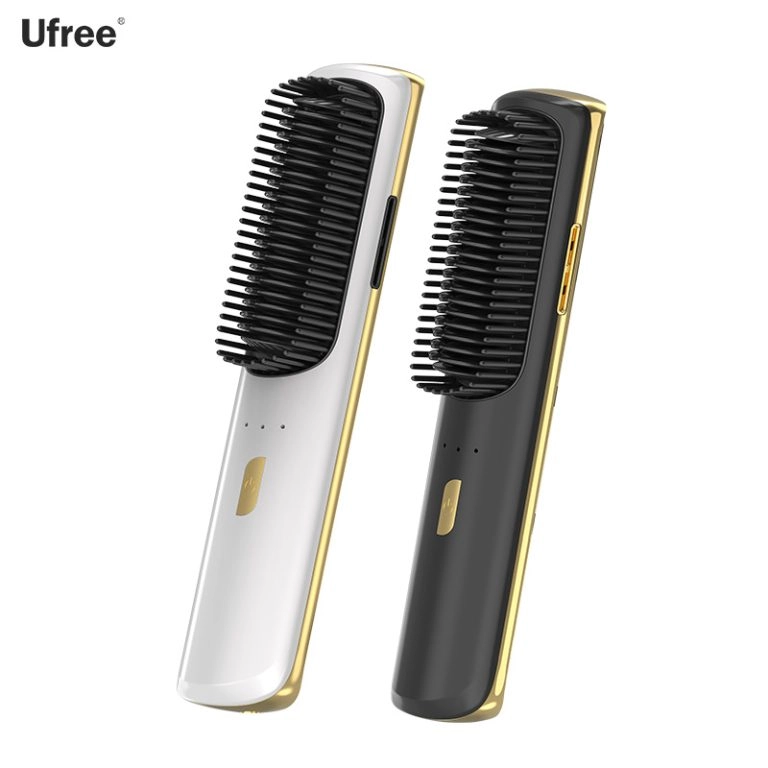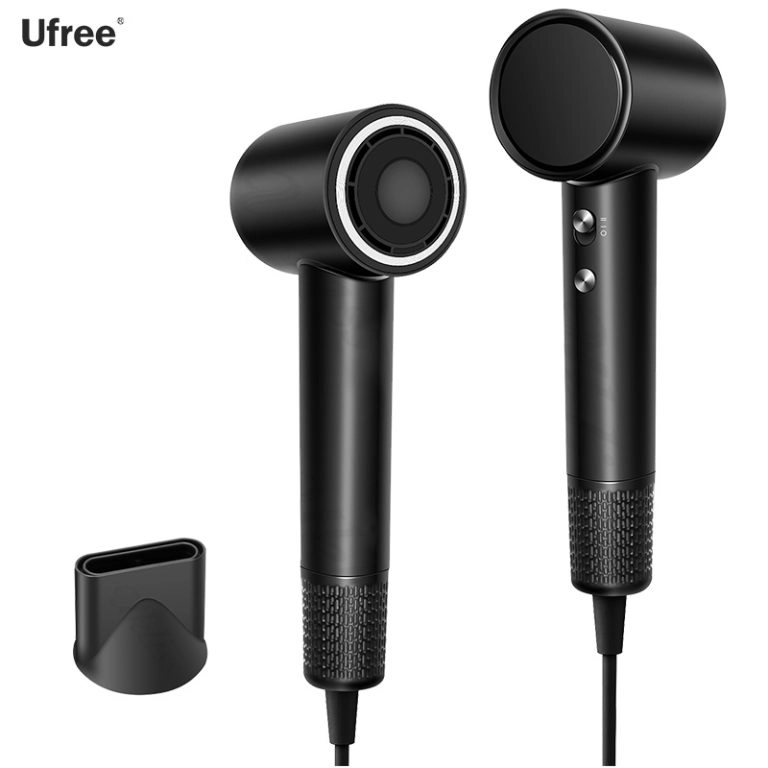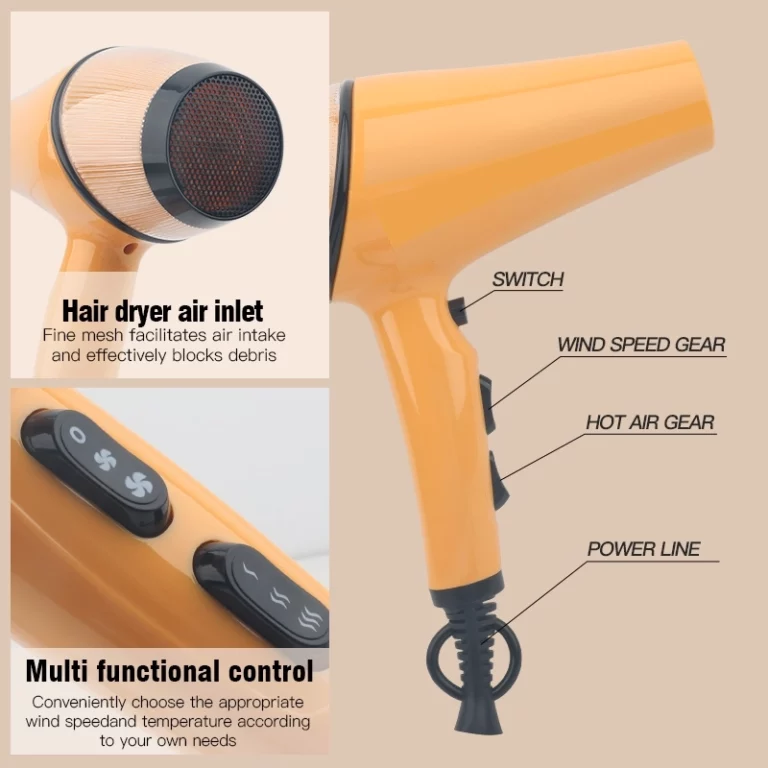
Approve a retail box before the plug, diffuser, manual, and accessory set are fixed, and one late change can trigger a new insert, revised artwork, another packaging sample, and a different carton load. Since the EU Packaging and Packaging Waste Regulation (PPWR) began to apply generally on August 12, 2026, that kind of rework can also become a compliance issue.
For importers, distributors, e-commerce brands, and sourcing teams comparing a hair dryer manufacturer, packaging now belongs much earlier in the buying process. Buyers need a package that protects the product, works for the target market, keeps freight under control, and remains manageable as later PPWR packaging requirements take effect.
For buyers turning these requirements into an actual sourcing brief, Oucai offers high-speed hair dryers for OEM and private-label projects, where product configuration, accessories, branding, and packaging can be planned together before the order moves into sampling and production.
Why PPWR Matters to Hair Dryer Buyers in 2026
PPWR is already relevant for projects being developed in September 2026 and beyond, but its requirements arrive on different timetables. Reacting too early to future rules can add unnecessary cost; ignoring visible milestones can create another packaging revision after launch.
What Changes in 2026, 2028, and 2030 for Hair Dryer Buyers?
| Timing | What Buyers Need to Plan For |
| 2026 | PPWR generally applies. Clarify economic-operator roles, packaging specifications, documentation ownership, and approval responsibility. |
| 2028 | From February 12, sales packaging must reduce empty space to the minimum needed for packaging functionality, including product protection. Harmonised material-composition labelling begins from August 12, 2028 or 24 months after the relevant implementing acts enter into force, whichever is later. |
| 2030 onward | Design-for-recycling requirements enter the Article 6 timetable. Grouped, transport, and e-commerce packaging must meet a maximum 50% empty-space ratio from January 1, 2030 or three years after the relevant implementing acts enter into force, whichever is later. Recycled-at-scale requirements enter the timetable from 2035, subject to the implementing-act timing. |
The distinction matters. Article 24 sets a minimum-empty-space requirement for sales packaging from February 2028, while the fixed 50% ratio applies later to grouped, transport, and e-commerce packaging. Article 6 separately phases in recyclability performance requirements from 2030 onward.
The Real Packaging Cost Is Bigger Than the Box Price
A premium box may add shelf presence, yet extra depth can reduce units per master carton and raise freight or storage cost. Cut protection too far and the problem moves elsewhere: scuffed housings, loose plugs, damaged attachments, or crushed retail boxes.
When comparing a hair dryer supplier, ask for packed-product dimensions, master-carton dimensions, carton quantity, gross weight, and accessory layout together. Those figures say more about landed cost than the color-box price alone.
Build the Hair Dryer Packaging Brief Before the Final Quote
Quotes are hard to compare when the packaging brief is still moving. One OEM hair dryer manufacturer may price a standard printed carton; another may include a formed insert, manual, barcode, and accessory protection. A tighter brief puts suppliers on the same basis and reduces avoidable changes after sampling.
Map the Whole Package, Not Just the Artwork
For a typical private label hair dryer project, define:
- retail box and internal insert;
- plug, cable, nozzle, diffuser, and accessories;
- instruction manual and market-specific information;
- barcode, SKU, and product labels;
- packed dimensions, master-carton quantity, and gross weight;
- final artwork revision and approval owner.
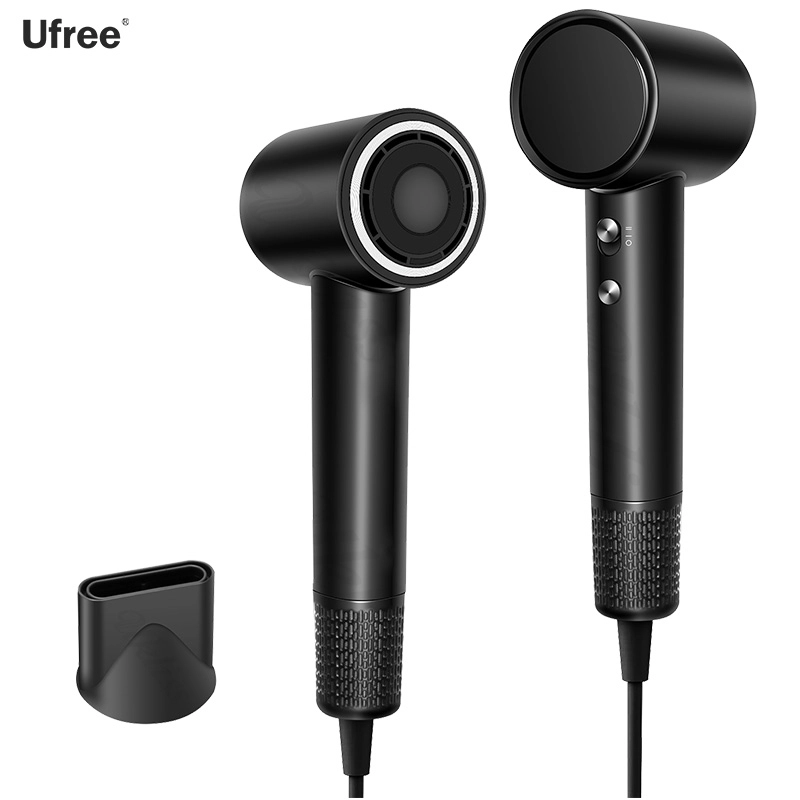
The Oucai U-8216 High Speed Hair Dryer is available in 120V/60Hz and 230V/50Hz configurations, with a 1.8 m cord and magnetic nozzle. Its retail packing size is 32.1 × 17 × 8 cm, with 12 units per master carton.
Those details connect product configuration to hair dryer packaging, carton efficiency, and freight assumptions.
Freeze the Product Configuration Before the Insert
A late switch to a different plug or the addition of another attachment can change the space needed inside the box.
Before signing off the insert, place the final plug, cable, nozzle, manual, and accessories into the physical sample pack rather than relying only on a CAD layout. If the sellable configuration changes afterward, treat the packaging as a controlled revision. Record the artwork revision and packed configuration on the purchase specification.
Which Hair Dryer Packaging Specifications Affect Cost and Risk?
Not every premium feature creates value in every channel. A rigid presentation box may suit department-store retail; a wholesale hair dryer or online-only SKU may gain more from tighter carton utilization and dependable transit protection.
Reduce Empty Space Without Creating Shipping Damage
Article 24 draws an important distinction. By February 12, 2028, sales packaging must reduce empty space to the minimum necessary for packaging functionality, including product protection. For grouped, transport, and e-commerce packaging, the later 50% maximum empty-space ratio applies on its own timetable. Filling materials such as paper cuttings, air cushions, bubble wrap, and foam fillers count as empty space.
That is not a reason to squeeze every dryer into the smallest possible box.
The Oucai U-8276 1700W Hair Dryer includes a diffuser nozzle. If that diffuser is part of the retail set, the insert has to hold it securely without making the package unnecessarily bulky.

If an attachment moves freely, rubs against the dryer body, or distorts the retail box, the smaller package has simply moved cost toward damage, returns, or repacking.
Check Carton Efficiency and Landed Cost Before Approval
Add an accessory, alter the insert, or change the plug and carton loading may change with it. Before approval, compare packed-product size, master-carton size, carton quantity, gross weight, and accessory arrangement in one check.
With the package and cost structure clear, the next question is ownership: who controls factory execution, and who carries the relevant market obligations?
Who Is Responsible for PPWR Packaging in a Private-Label Project?
PPWR uses “manufacturer” as a defined economic-operator role. It does not automatically mean the physical factory producing the hair dryer. In a private-label project, the brand owner, packaging manufacturer, importer, distributor, and appliance factory may be different companies.
Articles 15 and 18 set separate obligations for manufacturers and importers, including conformity assessment, technical documentation, labelling checks, and verification before packaging is placed on the market.
Separate Market Compliance From Factory Execution
A hair dryer factory can coordinate product configuration, packaging samples, artwork, packing data, and production records. The company placing the packaged product on a target market still needs to identify its legal role and obligations.
Decide early who confirms material information, importer details, local-language content, dielines, barcodes, and final artwork. Once responsibilities are separated, buyers can judge the factory on the work it actually controls.
Compare Hair Dryer Manufacturers on Execution, Not Claims
“OEM/ODM available” tells a buyer little by itself. The useful test is what happens between product selection, sample approval, bulk production, and the repeat order.
For private-label projects, Oucai supports color selection, logo application, and custom hair dryer packaging within its OEM/ODM hair care tool manufacturing work. A long customization list means little if the approved specification cannot be reproduced in bulk.
Use the Approved Sample as the Bulk-Order Reference
Before mass production, the reference sample needs to match the purchased configuration: voltage, plug, accessories, color, logo, manual, labels, and packaging. Any change after approval needs a clear revision.
This gives inspection teams a concrete check point and purchasing teams a reliable reference for repeat orders.
Conclusion
PPWR has made packaging a more immediate sourcing issue in 2026, but the commercial lesson goes beyond EU regulation. Good hair dryer packaging protects the product, uses carton space sensibly, keeps approvals traceable, and avoids preventable redesign work as later requirements take effect.
The best sourcing choice is not automatically the smallest box, the most premium insert, or the lowest packaging price. It is the package that fits the product, shipping route, sales channel, target market, and expected life of the SKU.
For an OEM hair dryer or private label hair dryer project, send Oucai your target markets, expected order quantity, voltage and plug configuration, accessory list, branding files, packaging format, sample requirements, and target launch timing when you contact Oucai. That gives both sides a clear starting point for confirming the sellable configuration and preparing a meaningful bulk quotation.
FAQs
Q1: Does PPWR apply if my hair dryers are manufactured outside the EU?
A: Yes, if the relevant packaging is placed on the EU market. The exact obligations depend on the economic-operator role held by each company, so sourcing outside the EU does not remove PPWR responsibilities.
Q2: What packaging information do I need from a hair dryer supplier before placing an order?
A: Start with packaging materials, packed dimensions, accessory layout, master-carton quantity, gross weight, labelling requirements, and the approved artwork revision. These points make supplier quotations easier to compare and give both sides a clearer production reference.
Q3: Do I need to redesign all private-label hair dryer packaging in 2026?
A: Not automatically. PPWR generally applies from August 12, 2026, while several detailed requirements follow later timetables. Review what applies now, then avoid packaging choices that may force unnecessary rework around the 2028, 2030, and later milestones.
Q4: Can the same hair dryer packaging be used for the EU and other export markets?
A: Sometimes the same box structure and brand design can work across several regions. Plug configurations, manuals, importer information, labels, and other destination-market requirements may differ. Confirm each market version before the packaging sample and artwork are approved.