A professional barber rarely uses one cutting tool from start to finish. Clippers handle bulk removal and fading, trimmers sharpen line-ups and detail areas, and foil shavers finish very short stubble close to the skin.
For distributors, salon suppliers, and private-label grooming brands, the buying decision goes further than clipper vs trimmer vs foil shaver. The real questions are which tools deserve separate SKUs, when a barber combo kit makes commercial sense, and what should be checked before a bulk order moves forward.
That three-step workflow also fits the way modern barber services are demonstrated: bulk cutting first, clean edges second, then the close finish used in skin fades and bald fades. For a B2B buyer, a product line built around that workflow is easier to position than several tools with overlapping claims.
Clipper vs Trimmer vs Foil Shaver: Roles in a Professional Barber Workflow
These tools may sit next to each other on the same barber station, but their jobs are different. That distinction matters when a buyer is building a professional barber tools range. It affects product positioning, bundle structure, sample testing, and even how sales teams explain the assortment to retailers or barbers.
Application Comparison for Cutting, Detailing and Finishing
| Tool | Primary job | Typical barber use | Main buying focus |
| Hair clipper | Bulk cutting and blending | Haircuts, fades, debulking | Cutting stability, blade system, runtime |
| Hair trimmer | Precision detailing | Line-ups, necklines, beard edges | Blade visibility, control, close detailing |
| Foil shaver | Close finishing | Skin fades, bald fades, short stubble | Foil performance, head heat, pickup consistency |
A professional hair clipper usually starts the service because it can work through more hair at once. The trimmer follows when the barber needs tighter control around an outline. A foil shaver comes later, after the hair has already been shortened enough for close finishing.
For wholesalers, this creates a natural assortment ladder: clipper as a core SKU, edge-up trimmer as a detail tool, and foil shaver as a finishing product.
Performance Criteria for Professional Clippers, Trimmers and Foil Shavers
Once the role of each tool is fixed, buyers can move from assortment planning to specification comparison. Motor speed has value, but RPM on its own says very little about how a product fits a working barber channel. Blade behavior, heat, runtime, handling, and consistency matter differently for bulk cutting, line work, and close finishing.
Professional Hair Clipper: Load Handling for Bulk Cutting and Fading
A professional hair clipper should remain predictable as the workload changes. Dense hair, repeated fade work, guard changes, and longer operating periods put different demands on the tool than an occasional home haircut.
The Oucai professional hair clipper range includes fade-focused models along with DLC-blade and brushless-motor options, giving wholesale buyers several directions for professional barber channels.
For wholesale hair clippers, the stronger buying question is not simply “which model has the highest RPM?” It is whether the blade system, motor behavior, runtime, grip, and accessory setup fit the target workload and selling price.
Edge-Up Trimmer: Blade Control for Line-Ups and Detail Work
An edge-up trimmer works closer to hairlines, beard contours, ears, and necklines. Here, blade visibility and control matter more than bulk-cutting capacity.
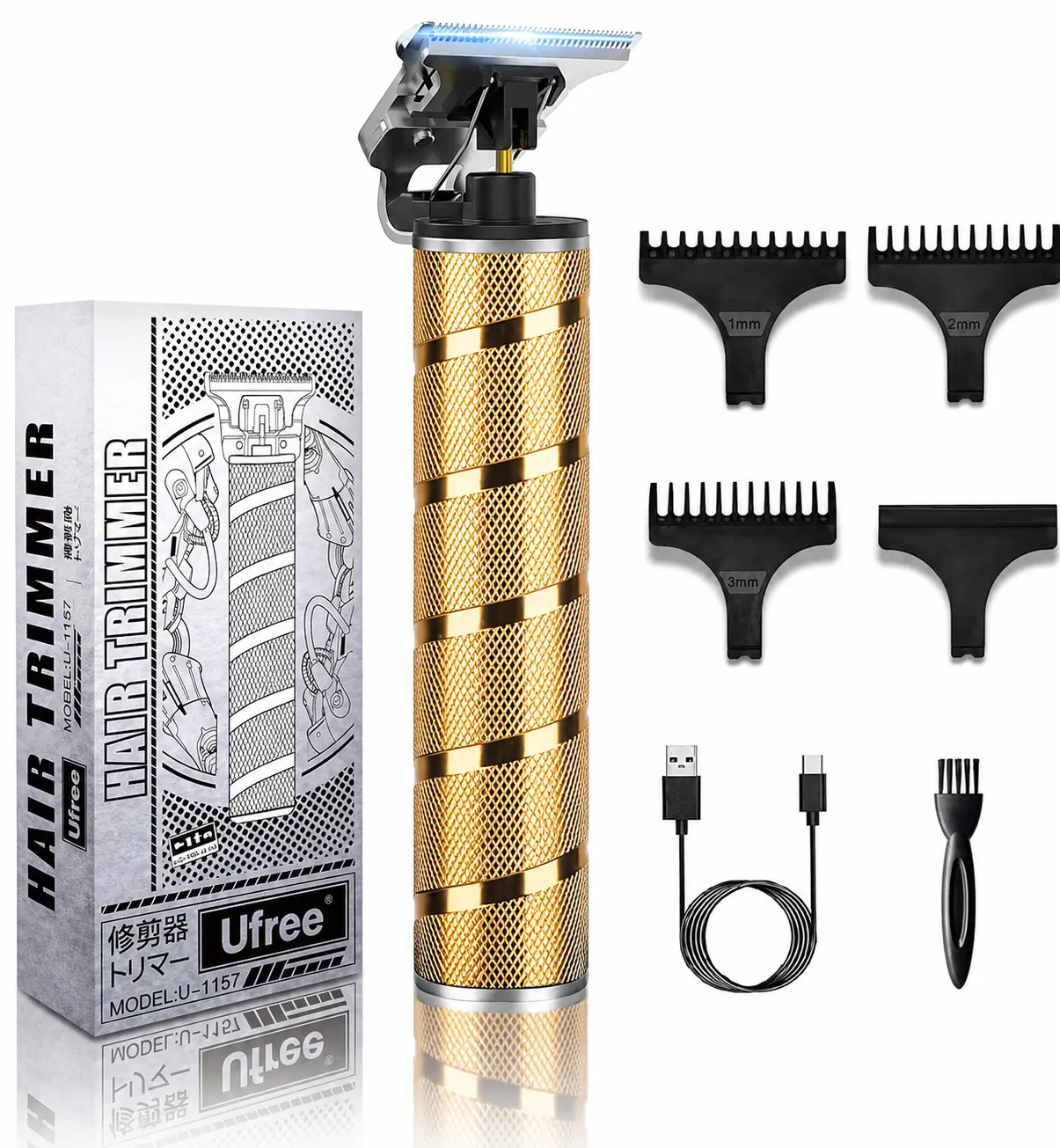
The Oucai U-1157 Hair Trimmer combines a titanium ceramic blade with a T-blade design for close detailing. Its 1200mAh lithium battery supports up to 180 minutes of working time after a two-hour charge, while the product details use a 6500 RPM motor rating. It also includes 1, 2, and 3 mm guide combs.
For a hair trimmer wholesale project, buyers should pay particular attention to blade alignment, line visibility, grip, vibration, and heat during repeated detail work. Those points have a direct effect on how a T-blade trimmer feels in actual barber use.
Professional Foil Shaver for Barbers: Skin-Fade and Close-Finish Performance
A professional foil shaver for barbers has a narrower job. It works after longer hair has already been reduced and is especially relevant to skin-fade, bald-fade, and close-neck finishing.
The Oucai U-2618 Electric Shaver offers three motor speeds—6500, 7000, and 7500 RPM—with up to 150 minutes of running time after a two-hour charge. It is intended for stubble shorter than 1/25 inch; longer, coarse, or curly hair should be shortened before the close-shaving step.
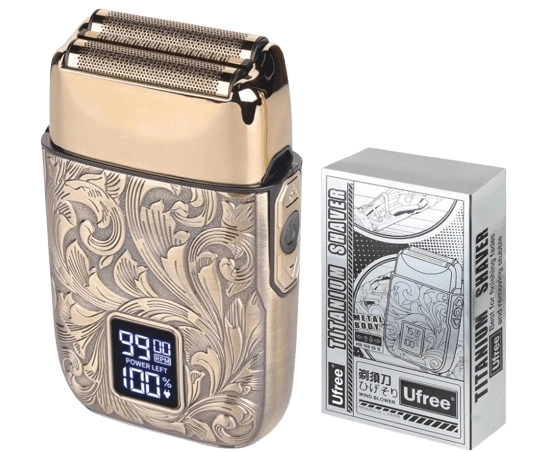
That use case is important for foil shaver wholesale buyers because it defines the shaver as the finishing tool in the workflow rather than another version of a trimmer.
Professional vs Home Hair Clippers: Duty Cycle, Heat and Cutting Consistency
The difference between professional vs home hair clippers is not simply appearance or packaging. A home user may complete one haircut and put the tool away. A professional barber may move through repeated cutting sessions, guard changes, charging cycles, and cleaning throughout the day.
These checks become more important as the target channel moves from occasional grooming toward regular professional use.
Evaluate Performance Across Repeated Barbering Cycles
A professional-use sample should be run long enough to check cutting consistency, blade and housing heat, vibration, guard fit, and handling as the test continues. Cordless barber tools should also be evaluated under normal cutting use rather than only running unloaded on a bench.
The same procedure should be repeated on more than one sample. Consistency across several units gives purchasing teams a stronger reference for bulk-production approval.
After confirming that a platform suits the intended workload, the next decision is commercial: how many tools the channel actually needs to stock.
Wholesale Barber Tool Assortment: Building a Clipper, Trimmer and Shaver Line
A complete three-tool range works well for some barber channels, but more SKUs do not automatically make a stronger offer. Inventory depth, retail price, local barber habits, replacement demand, and the way products are merchandised all affect the right mix.
For many buyers, the practical starting point is a core clipper and trimmer pair, followed by a foil shaver when close finishing is important to the target customer.
Clipper + Trimmer: The Core Two-Tool Assortment
A clipper-and-trimmer combination covers most of the visible haircut workflow: bulk cutting and blending first, precision outlining second.
The Oucai U-2226 Hair Clipper and Trimmer Set is one example of a combined offer. It uses Type-C charging, includes a 6300 RPM cordless trimmer, and provides up to 180 minutes of working time. Its 17.5 × 21.5 × 5.7 cm retail package also gives buyers a useful reference when comparing a combo set with separate retail packs.
A barber combo kit can give retailers a simple full-service story. Separate SKUs offer more flexibility when one product sells faster or when barbers prefer to build their setup tool by tool.
When a Foil Shaver Adds Value to the Product Line
A foil shaver becomes more relevant in professional channels where skin fades, bald fades, shaved-head grooming, and close neck finishing are common services.
The clipper-trimmer-shaver sequence also translates well into short-form barber content because each step produces a visible change: reduce the bulk, sharpen the line, then finish close. For distributors working with barber educators, social-commerce sellers, or demonstration-led retail, that makes a three-tool range easy to explain without inventing extra product claims.
For a broader home-grooming channel, however, a clipper-and-trimmer offer may be enough to start.
Pre-Production Sample Tests for Barber Tools Wholesale Orders
Published specifications establish the product configuration. Sample testing shows whether that configuration fits the intended barber workflow. For OEM barber tools and private-label programs, this stage also gives purchasing and QC teams a practical reference before branding, packaging, and bulk production are finalized.
Validate Cutting, Heat, Runtime and Unit-to-Unit Consistency
A focused sample check can cover:
- Clipper:bulk cutting, guard fit, blade heat, vibration, and cutting stability.
- Trimmer:blade alignment, line visibility, detailing control, grip, and heat.
- Foil shaver:short-stubble pickup, foil fit, missed areas, and head temperature.
- Cordless tools:charging time, working runtime, connector fit, and low-battery behavior.
- Multiple samples:repeat the same checks to compare unit-to-unit consistency.
Keep the approved sample, purchase specification, and test record tied to the same model and configuration. It gives the buyer and supplier a clearer reference when the project moves into production or a repeat order.
Separate SKUs vs Combo Sets: OEM Assortment and RFQ Planning
Once the assortment and sample criteria are clear, the RFQ becomes much more useful. A request for “professional barber tools” leaves too many assumptions open. A serious B2B brief should tell the supplier what the channel needs, how the products will be sold, and which points matter when the sample is reviewed.
Build the RFQ Around the Target Barber Channel
For private label barber tools, OEM projects, and barber tools wholesale programs, a useful RFQ normally covers the target market, sales channel, expected quantity, clipper-trimmer-shaver mix, blade preference, runtime expectations, charging method, accessories, branding, packaging direction, sample quantity, acceptance checks, and planned launch timing.
That gives suppliers enough information to quote the same commercial brief instead of pricing products around different assumptions.
Conclusion
The practical answer to clipper vs trimmer vs foil shaver starts with the barber workflow. Clippers handle bulk cutting and fading, trimmers give more control around lines and detail areas, and foil shavers complete very short, close-finishing work.
For B2B buyers, the stronger approach is to define the assortment first, compare products against the intended professional workload, and use repeatable sample checks before approving an OEM or private-label configuration.
For a new barber-tool program, buyers can contact Oucai for product selection and a bulk quotation with the target market, expected quantity, required tool mix, performance priorities, branding needs, and sample plan.
FAQ
Q1: What is the practical difference between a clipper, trimmer and foil shaver?
A: A clipper does the heavy cutting and blending. A trimmer is better for line-ups, necklines and beard detail. A foil shaver comes in last, once the hair is already very short and a closer finish is needed.
Q2: Is a clipper and trimmer set enough for most barber channels?
A: In many cases, yes. A clipper-and-trimmer combination covers the main haircut and detailing work. A foil shaver adds more value when skin fades, bald fades or close finishing are a regular part of the service mix.
Q3: What should buyers look for in an edge-up trimmer?
A: Blade visibility, alignment and control matter most. The trimmer should feel easy to place around hairlines and beard edges without becoming uncomfortable during repeated detail work. Runtime, heat and grip are also worth checking on samples.
Q4: Why is a foil shaver normally used after a trimmer?
A: Foil shavers work best on very short stubble. A trimmer can first reduce and define the area, then the foil shaver handles the final close pass. Trying to use a foil shaver on longer hair usually makes the workflow less efficient.
Q5: What should be checked before placing a wholesale barber tools order?
A: The final sample should be checked for cutting consistency, blade or head heat, vibration, runtime, charging behavior, accessory fit and handling. Running the same checks on more than one sample also gives a better picture of unit-to-unit consistency before bulk production.